# Why a SpaceX IPO Would Destroy Your Investment
The world’s most valuable private company is not coming to the public markets anytime soon. Here is why that is actually good news for investors.
The world’s most valuable private company is not coming to the public markets anytime soon. Here is why that is actually good news for investors.
Elon Musk has been clear for years: SpaceX will not go public until it has a regular, reliable flight to Mars. That timeline remains uncertain, and the financial logic behind staying private is far stronger than most retail investors realize.
The Starlink Distraction
Many analysts point to Starlink, SpaceX’s satellite internet constellation, as the natural candidate for an initial public offering. The logic seems sound: Starlink generates revenue, has a clear market, and needs capital for expansion.
But this argument misses a critical point. SpaceX itself is not a satellite internet company. It is a space transportation and exploration company. Starlink is a means to an end—a cash flow engine designed to fund the Mars mission. If SpaceX spins out Starlink as a separate public entity, it would effectively sell off its most predictable revenue stream. That would weaken the parent company’s ability to fund its long-term goals.
The Valuation Trap
SpaceX’s private valuation has soared past $180 billion. On paper, that makes it more valuable than companies like Boeing or Lockheed Martin. But private valuations are not the same as public market prices.
Private markets allow companies to control their narrative. They choose investors who understand long-term risk and do not demand quarterly earnings growth. Public markets punish volatility and uncertainty. A SpaceX IPO would expose the company to short-term pressure, forcing it to prioritize quarterly results over decade-long research programs.
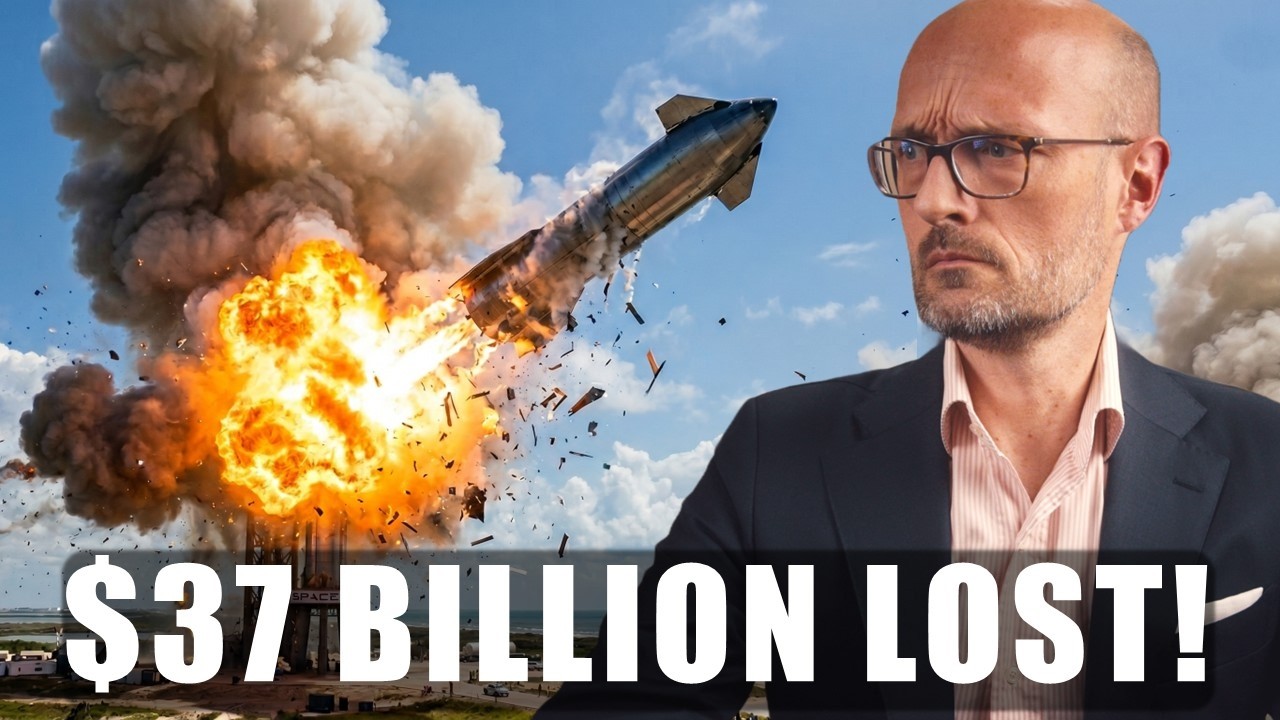
Consider this: SpaceX’s Starship program has suffered multiple explosions during testing. In a public company, such failures would trigger stock drops, analyst downgrades, and activist investor demands to cut costs. In a private company, Musk can say “we learned what not to do” and keep moving.
The Musk Factor
Elon Musk’s leadership style is another reason an IPO would be problematic. He makes bold, often controversial statements. Public company CEOs face strict SEC regulations about material disclosures. Musk’s tweets about Tesla have already landed him in legal trouble. For SpaceX, the regulatory burden would be even heavier, given its contracts with NASA and the Department of Defense.
Public shareholders would also demand governance structures that Musk has consistently resisted. Independent board members, formal succession planning, and transparent financial reporting would slow down the rapid iteration cycle that has made SpaceX successful.
The Real Exit Strategy
SpaceX does not need an IPO to provide liquidity for early investors. The company has structured secondary sales that allow employees and early backers to sell shares to large institutional investors. These private transactions happen at negotiated prices, without the volatility of public markets.
Furthermore, SpaceX has access to capital through government contracts, private funding rounds, and revenue from Starlink. The company is not cash-starved. It is strategically capital-efficient.
What This Means for Investors
The dream of buying SpaceX stock on Robinhood is unlikely to materialize for years, if ever. When Musk eventually considers an IPO, it will likely be for Starlink—not SpaceX itself. And even that remains speculative.
For now, the smartest play is to understand that SpaceX’s private structure is a feature, not a bug. It allows the company to take the risks necessary to achieve its mission. Public markets would force it to play a different game entirely.
The next time you hear rumors of a SpaceX IPO, remember: the company has said no repeatedly, and for good reason. The only people who want a SpaceX IPO are those who do not understand how SpaceX actually makes money—or why it intends to keep it that way.