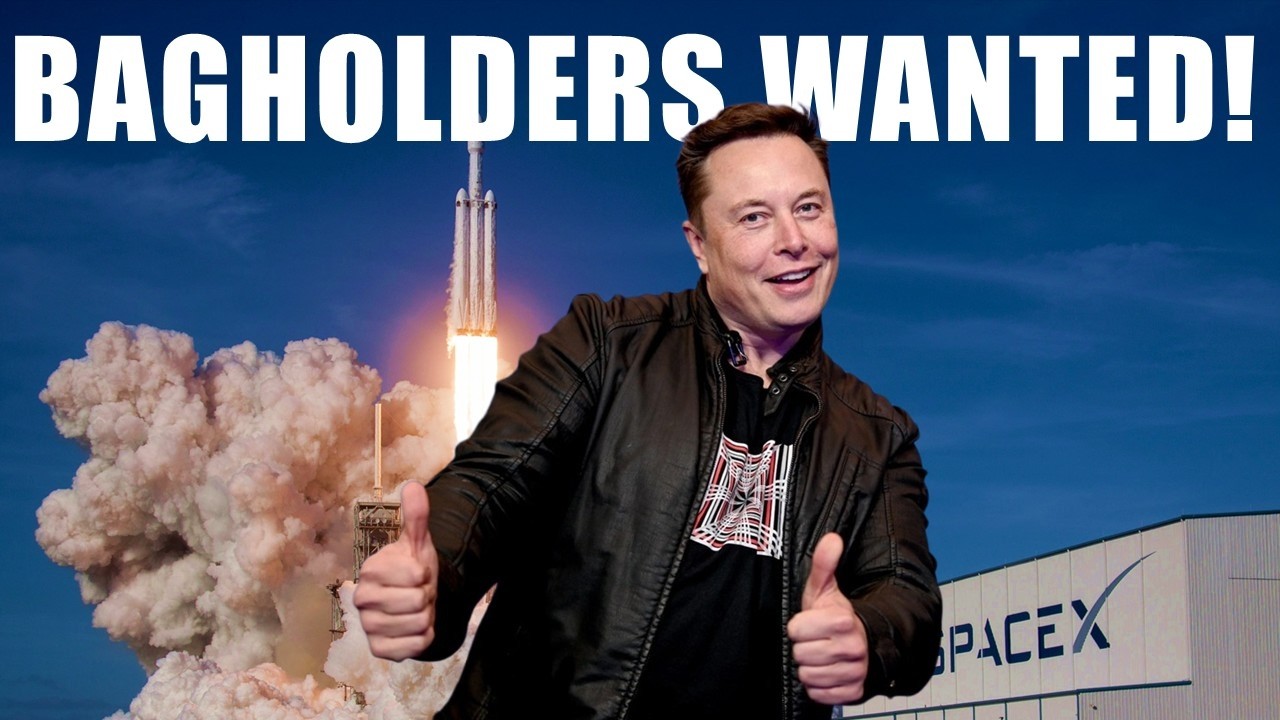
SpaceX IPO: The $180 Billion Question That Won't Go Away
For years, investors have waited for the inevitable: a SpaceX initial public offering (IPO). The company, valued at approximately $180 billion, remains the most anticipated—and most elusive—public listing in modern financial history.
For years, investors have waited for the inevitable: a SpaceX initial public offering (IPO). The company, valued at approximately $180 billion, remains the most anticipated—and most elusive—public listing in modern financial history. Yet despite persistent rumors, regulatory filings, and analyst speculation, SpaceX CEO Elon Musk has repeatedly stated that an IPO is "not on the table."
But why? And what happens if it never happens?
The Private Market Paradox
SpaceX operates in a unique financial space. Unlike most companies of its size and growth trajectory, it has no obligation to disclose quarterly earnings, executive compensation, or operational risks to the public. This privacy is deliberate.
The company has raised capital through private funding rounds, allowing early investors and employees to sell shares on secondary markets. These transactions have created a de facto public valuation without the regulatory burdens of a formal listing. For Musk, this arrangement offers the best of both worlds: access to capital without shareholder scrutiny.
The Starlink Factor
SpaceX's Starlink satellite internet division complicates the IPO calculus. In 2023, reports emerged that the company was considering spinning off Starlink as a separate public entity. The logic is straightforward: Starlink has a clearer revenue model, predictable cash flows, and a consumer-facing brand. A Starlink IPO could raise billions while allowing SpaceX to remain private and focused on its core mission of Mars colonization.
However, Musk has dismissed these reports, calling them "false" on social media. Yet the speculation persists, driven by the reality that Starlink's capital requirements are immense—and public markets offer the deepest pools of capital.
The Governance Question
A central obstacle to any SpaceX IPO is governance. Musk holds significant voting power and has made clear that he prioritizes long-term vision over short-term profits. Public markets demand quarterly performance, regulatory compliance, and board accountability. These requirements conflict with Musk's management style, which has historically been erratic and unpredictable.
The SEC has already investigated Musk for tweets about taking Tesla private—a saga that resulted in fines and a settlement requiring pre-approval of certain communications. A public SpaceX would invite similar scrutiny, potentially constraining the CEO's ability to make bold, unilateral decisions.
What Investors Are Missing
The secondary market for SpaceX shares has created a paradox. Institutional investors and wealthy individuals can buy stakes at negotiated prices, but retail investors remain locked out. This has led to frustration among those who believe in the company's mission but cannot participate in its financial upside.
Some analysts argue that this exclusivity is intentional. By keeping SpaceX private, Musk maintains control over the company's destiny and avoids the distractions of public market pressures. The trade-off is clear: investors who want exposure must accept limited liquidity and no voting rights.
The Regulatory Landscape
An IPO would trigger extensive disclosure requirements. SpaceX would need to reveal details about its contracts with NASA, the Department of Defense, and other government agencies. It would also need to disclose financial data about Starship development costs, launch failure rates, and insurance liabilities—information the company has historically guarded closely.
Furthermore, international investors face additional barriers. SpaceX's technology is subject to export controls under the International Traffic in Arms Regulations (ITAR), which restrict foreign ownership of sensitive space technologies. A public listing would require navigating these complex legal frameworks.
The Future of Space Finance
The question of a SpaceX IPO is not merely financial—it is structural. The company represents a new model of aerospace enterprise: privately funded, vertically integrated, and mission-driven. Whether this model can coexist with public market demands remains an open question.
What is clear is that the demand for a SpaceX IPO will not diminish. As the company prepares for Starship test flights, lunar missions, and Mars architecture, the capital needs will only grow. At some point, the private markets may prove insufficient.
For now, the wait continues. And for retail investors, the message from SpaceX remains the same: this rocket is not for sale.
This article is based on publicly available information and statements from SpaceX executives. No proprietary or non-public data was used in its preparation.
Related Coverage
SpaceX, OpenAI, and Anthropic IPOs Could End 23-Year Stock Market Shrinkage – But Investors Warn of Price Support Loss
A wave of long-awaited initial public offerings from major private tech firms including SpaceX, Anthropic, and OpenAI is set to reverse a 23-year trend of a shrinking US stock market, though analysts caution that the influx of new shares could remove a key support for stock prices.
SpaceX IPO Makes Elon Musk World’s First Trillionaire as MANGOS Tech Giants Flood Public Markets
A wave of high-profile tech companies, including SpaceX, OpenAI, and Anthropic, is hitting the stock market in what experts are calling a stress test for investors and a potential bubble risk.
Related Editorials
Why a SpaceX IPO Would Destroy Your Investment
The world’s most valuable private company is not coming to the public markets anytime soon. Here is why that is actually good news for investors.
# Anthropic’s IPO Ambitions: Does the Math Justify the Hype?
The AI giant has taken a major step toward public markets. But with soaring valuations and unproven revenue models, investors must ask: is this a generational opportunity or a bubble waiting to burst?