Trump’s New Tariffs: A Legal End Run Around the Supreme Court
The White House announced fresh tariffs on 14 key trading partners this week, and the markets did not take the news well. The move, however, should surprise no one who has followed the administration’s trade strategy.
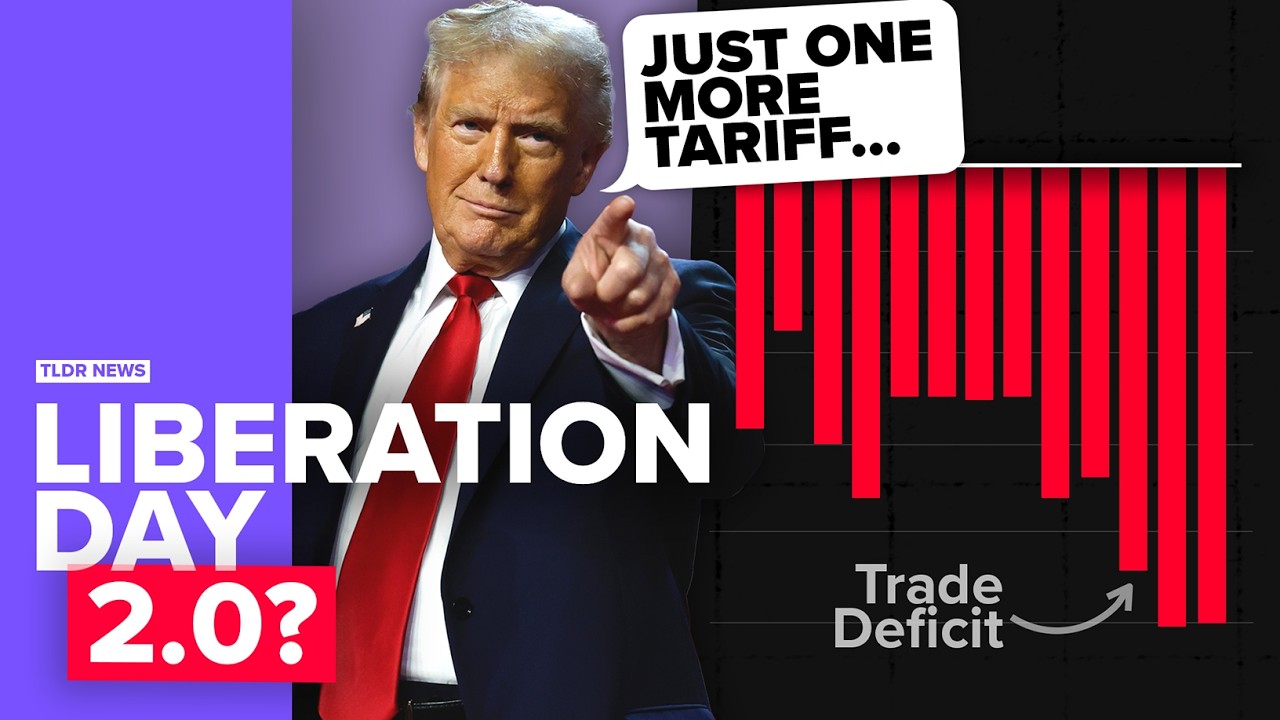
The White House announced fresh tariffs on 14 key trading partners this week, and the markets did not take the news well. The move, however, should surprise no one who has followed the administration’s trade strategy. The new levies are the latest chapter in a year-long campaign to rebuild a tariff regime that the Supreme Court struck down in February, and they reveal a president determined to press ahead with his economic agenda regardless of judicial setbacks.
To understand why this round of tariffs was predictable, one must return to April 2 of last year, when Trump unveiled sweeping duties on nearly every trading partner. The rates were steep: 34 percent on Chinese imports, 25 percent on Japanese goods, and 20 percent on European products. Smaller partners faced even harsher treatment, with Vietnam and Cambodia confronting tariffs of 46 and 49 percent respectively. Most countries responded by opening negotiations and seeking relief. China alone retaliated, triggering a brief trade war in which tariffs on both sides briefly reached triple digits. In the end, nearly every nation secured a deal at a lower rate than originally proposed, though many remained substantial.
The legal foundation for those tariffs was always fragile. The administration invoked the International Emergency Economic Powers Act of 1977, a law that allows the president to impose wide-ranging trade restrictions after declaring a national emergency. The White House argued that America’s trade deficit constituted such an emergency. Yet the statute only grants the president power to “regulate importation,” and it was never clear that this authorized tariffs of such scope. In February, the Supreme Court agreed, ruling the tariffs illegal.
Rather than retreat, Trump moved immediately to recreate the regime through other legislation. He first invoked Section 122 of the Trade Act of 1974, which permits a universal tariff of up to 15 percent for up to 150 days when “fundamental international payments problems” require special import measures. The administration imposed a 10 percent universal tariff on that basis, though the move rested on a conflation of trade deficits with balance-of-payments deficits, which are distinct concepts. The measure was likely illegal as well, but litigation would take months, buying time for a more durable solution.
That solution came through Section 301 of the same act, a vaguely worded provision allowing the US Trade Representative to impose unlimited tariffs on foreign governments that violate trade agreements or engage in unjustified, unreasonable, or discriminatory practices. To compensate for the law’s breadth, each tariff requires an investigation. The Trade Representative launched two batches of inquiries in March. The first examined 60 countries accounting for 99.4 percent of US imports, accusing them of failing to enforce prohibitions on goods produced with forced labor. In July, all 60 were found wanting, and tariffs of 10 or 12 percent followed. The second batch targeted 16 of America’s largest trading partners, representing roughly 75 percent of US imports, accusing them of “excess capacity” that undercuts American producers. Those investigations concluded this week, with the Trade Representative recommending a return to the original Liberation Day rates.
The fact that the new Section 301 tariffs mirror the earlier ones is strong evidence that they, too, are pretextual. The forced-labor rationale was transparently thin; the excess-capacity claim is similarly dubious. The administration is using Section 301 as a vehicle to resurrect tariffs the courts have already rejected. Given the Supreme Court’s willingness to rule against the president, these new measures will likely face legal challenge, with a meaningful chance of being struck down or diluted. Should that happen, Trump would exhaust his legal avenues for imposing tariffs, leaving him with little leverage over trading partners who would then have scant incentive to honor their agreements.
The episode also offers a signal about the president’s post-midterm intentions. After the Republican Party’s substantial losses, some speculated that Trump might moderate his politics or temper unpopular policies like tariffs. This week’s actions, combined with the appointment of hardliner Stephen Miller as chief of staff, suggest the opposite. With the election behind him, Trump appears to be doubling down.
The story will continue to evolve, and the legal battles ahead will shape the future of American trade policy. What is clear is that the president has no intention of abandoning his tariff agenda, and the courts may soon determine whether he has any lawful means left to pursue it.
Related Coverage
Trump’s New Tariffs Hit China and EU
The Trump administration has announced new tariffs on imports from China, the European Union, and other trading partners, citing unfair trade practices. The move marks the latest escalation in trade policy amid legal challenges and scrutiny from the incoming Democratic-led Congress.
Trump’s New Tariffs Hit China, EU and Dozens More
The Trump administration has announced a new round of tariffs targeting China, the European Union and more than a dozen other trading partners, widening a trade dispute that affects many of the world’s largest economies.
Trump Restarts Trade War with New Tariffs on 14 Countries
President Donald Trump is imposing new tariffs on imports from 14 countries, including China and the European Union, in a major new phase of his effort to reshape global trade.
Trump Threatens 20–40% Tariffs on 14 Major Trading Partners
US President Donald Trump has announced plans to impose tariffs of up to 40% on goods from 14 major trading partners, continuing his protectionist trade policy despite Republican losses in the midterm elections.
Trump's New Tariff Plan Hits China, EU and 12 Other Partners
The Trump administration has proposed new tariffs on China, the European Union (EU) and 12 other trading partners. The move targets a total of 14 countries, according to a senior administration official.
Trump’s New Tariff Wall: Fresh Duties Hit China, Japan and Others
President Donald Trump’s administration has announced new import duties on goods from China, Japan and several other countries, raising costs for foreign companies and signaling continued trade tensions.
Related Editorials
US Trade Deficit Hits $88.6 Billion Despite Trump Tariffs, and AI Is a Big Reason Why
The United States trade deficit widened to $88. 6 billion in July, according to provisional data from the Bureau of Economic Analysis.
The Tariff Paradox: Why Trump’s Trade War Exposes the True Limits of Government Power
When a head of state launches a trade war, the assumption is simple: the government, with all its authority, can dictate economic outcomes. Yet, the unfolding reality of President Donald Trump’s aggressive tariff campaign has revealed a counterintuitive truth.
Why Trump’s Iran Oil Sanctions Will Likely Backfire on the Global Economy
In a move that has sent shockwaves through global energy markets, the Trump administration has reinstated a "maximum pressure" campaign against Iran, targeting the country’s oil exports with renewed vigor. The strategy aims to choke off Tehran’s revenue, particularly by blocking shipments through t