# The Art of the Counterpunch: How Canada Won the Trade War
When the world's largest economy launched a punishing tariff campaign against its northern neighbor, Ottawa responded with a strategy of surgical retaliation and economic judo. The result was a masterclass in how a smaller nation can defend its interests against a superpower.
When the world's largest economy launched a punishing tariff campaign against its northern neighbor, Ottawa responded with a strategy of surgical retaliation and economic judo. The result was a masterclass in how a smaller nation can defend its interests against a superpower.
In early 2025, the United States ignited a trade war with its closest allies. President Donald Trump imposed sweeping tariffs on Canadian goods, citing national security concerns and demanding concessions on border security and drug trafficking. The move shocked markets and threatened to derail one of the world's most integrated economic relationships.
Canada's response was not the panicked capitulation many observers expected. Nor was it the indiscriminate retaliation that could have devastated its own economy. Instead, Ottawa executed a carefully calibrated strategy that exploited the asymmetries in the relationship and turned American leverage against itself.
This is the story of how a nation of 40 million people held its ground against a superpower—and why its approach offers lessons for other countries facing similar pressure.
The Opening Salvo
The crisis began when the Trump administration announced 25 percent tariffs on most Canadian imports, with a lower 10 percent rate on energy products. The stated justification was a national security emergency related to illegal immigration and fentanyl trafficking at the northern border.
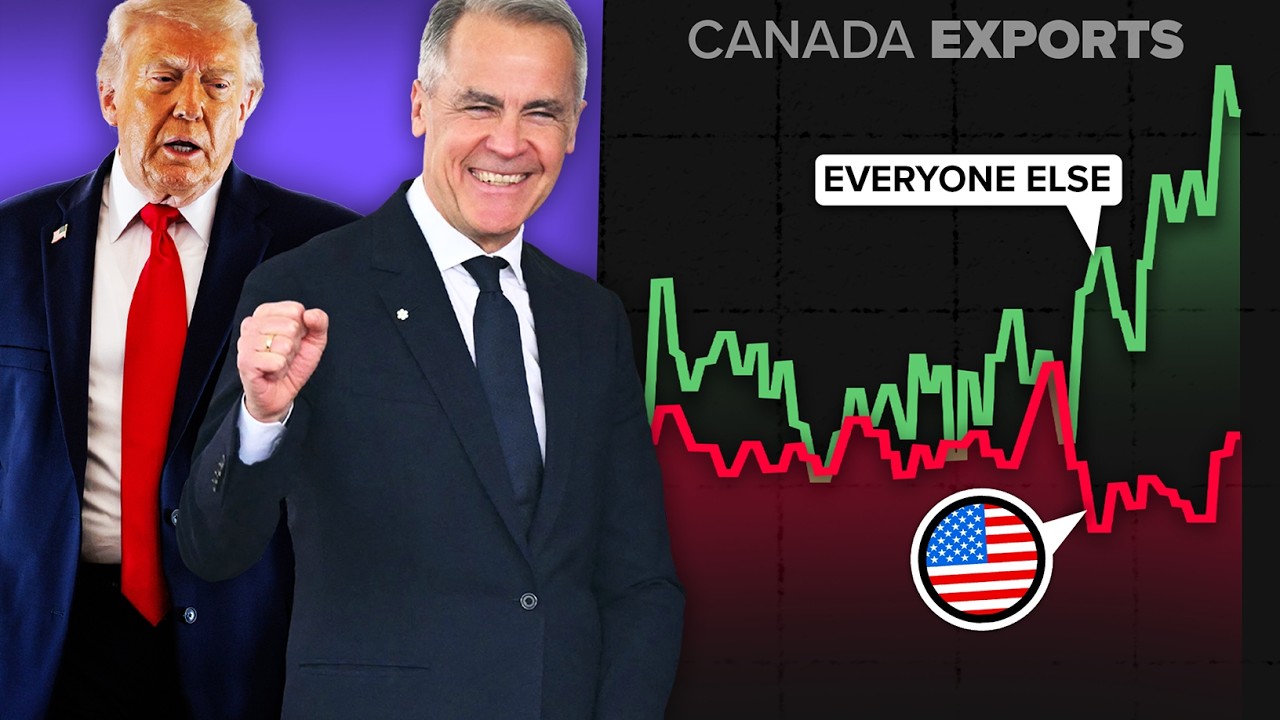
The economic stakes were enormous. Canada sends roughly 75 percent of its exports to the United States, making it extraordinarily vulnerable to American trade actions. The tariff announcement sent the Canadian dollar tumbling and prompted dire predictions of recession.
But Canada possessed leverage that was not immediately apparent. The United States relies on Canadian energy, critical minerals, and integrated supply chains in ways that are not easily replaced. The relationship, while asymmetric, was not one-sided.
The Strategy of Surgical Retaliation
Canada's response revealed a sophisticated understanding of its position. Rather than matching American tariffs dollar-for-dollar across all goods, Ottawa targeted specific products from politically sensitive American industries and regions.
The Canadian government published a list of American goods subject to retaliatory tariffs: Kentucky bourbon, Florida orange juice, Wisconsin cheese, and other products manufactured in states that had voted for Trump. The strategy was explicit—inflict maximum political pain on the administration's base while minimizing damage to Canadian consumers and businesses.
The total value of targeted American goods was initially set at 30 billion Canadian dollars, with the threat of expanding to 155 billion if necessary. This calibrated approach signaled resolve without triggering an uncontrolled escalation.
The Energy Card
Canada's most powerful lever was energy. The United States imports approximately 60 percent of its crude oil and 85 percent of its natural gas from Canada. These flows power American homes, fuel American vehicles, and feed American industry.
Canadian officials quietly communicated that while they had no desire to disrupt energy supplies, they possessed the capacity to do so. The implicit threat was enough. A disruption to Canadian energy exports would have caused immediate economic pain across the United States, particularly in the Midwest and Northeast.
The Trump administration's decision to apply a lower tariff rate to energy products reflected its awareness of this vulnerability. Canada's leaders recognized the signal and leveraged it in negotiations.
Provincial Unity
A critical factor in Canada's success was the unprecedented coordination among its provinces. In Canada's federal system, provinces control significant resources and have distinct economic interests. Ontario's manufacturing sector, Alberta's oil industry, and Quebec's aerospace and aluminum producers often compete with one another.
Yet in the face of American tariffs, the provinces set aside their differences. Premiers from across the political spectrum issued joint statements of support for federal retaliation. Provincial leaders traveled to Washington to make their case directly to American legislators and business groups.
This unity denied the Trump administration its preferred tactic of divide-and-conquer. It also demonstrated to American negotiators that Canadian resolve would not crack under pressure.
The Diplomatic Offensive
Beyond tariffs, Canada launched a comprehensive diplomatic campaign. Canadian officials engaged directly with American governors, members of Congress, and business leaders whose constituents would bear the cost of the trade war.
The message was consistent: these tariffs harm American workers and consumers as much as they harm Canadians. Canadian diplomats provided data showing the economic damage to specific American industries and communities. They encouraged American businesses to lobby their representatives in Washington.
This "bottom-up" pressure complemented Canada's formal diplomatic efforts. By mobilizing American stakeholders who had a direct interest in maintaining trade with Canada, Ottawa created a counterweight to the administration's protectionist agenda.
The Results
Within weeks of the tariff announcement, the Trump administration began to soften its position. Negotiations between Canadian and American officials produced a series of concessions and delays. While some tariffs remained in place, the immediate crisis was defused.
Canada achieved several key objectives. It avoided the worst-case economic scenario. It preserved the integrity of its supply management systems for dairy and poultry, which the United States had targeted. And it established a precedent that American pressure would be met with firm, intelligent resistance.
The Canadian dollar recovered. Markets stabilized. And Canada's reputation as a reliable, sophisticated trading partner was enhanced rather than diminished.
Lessons for the World
Canada's experience offers several lessons for other countries facing American economic pressure.
First, asymmetry does not mean powerlessness. A smaller economy can identify and exploit the vulnerabilities of its larger partner. The key is understanding the relationship in detail and finding points of leverage.
Second, targeted retaliation is more effective than blanket retaliation. By focusing on politically sensitive industries and regions, Canada maximized the political cost of American tariffs while minimizing economic damage to itself.
Third, unity is essential. Canada's provinces set aside their differences and presented a common front. This denied the United States the opportunity to exploit internal divisions.
Fourth, diplomacy and economic pressure must work together. Canada did not rely on tariffs alone. It mobilized American stakeholders, engaged directly with decision-makers, and made the case for mutual benefit.
Fifth, credibility matters. Canada signaled clearly that it would escalate if necessary but preferred a negotiated solution. This combination of resolve and flexibility created space for compromise.
The Road Ahead
The trade war is not over. The Trump administration has demonstrated a willingness to use tariffs as a tool of leverage, and further disputes are likely. Canada's success in the first round does not guarantee future victories.
But the experience has changed the relationship. Canada has demonstrated that it will not be bullied. It has built new alliances with American stakeholders. And it has developed institutional knowledge about how to defend its interests in an era of economic nationalism.
For a middle power navigating a world of great power competition, Canada's approach offers a template. The strong do what they can, but the smart find ways to make them think twice.
This article is based on analysis of the 2025 Canada-United States trade dispute.
Related Coverage
Canada Slaps 50% Tariffs on U.S. Goods—$20B Trade War Escalates
Canada has launched a sweeping retaliatory strike against the United States, imposing 50% tariffs on hundreds of American products and targeting roughly $20 billion worth of goods, as the trade conflict between the two allies spirals.
US Slaps 50% Tariffs on Canada as Trade Talks Collapse — Carney Vows 'Dollar for Dollar' Revenge
President Donald Trump has imposed 50 percent tariffs on a range of Canadian goods after trade negotiations between the two countries collapsed, igniting a full-blown trade war between the longtime allies [225969][226035].