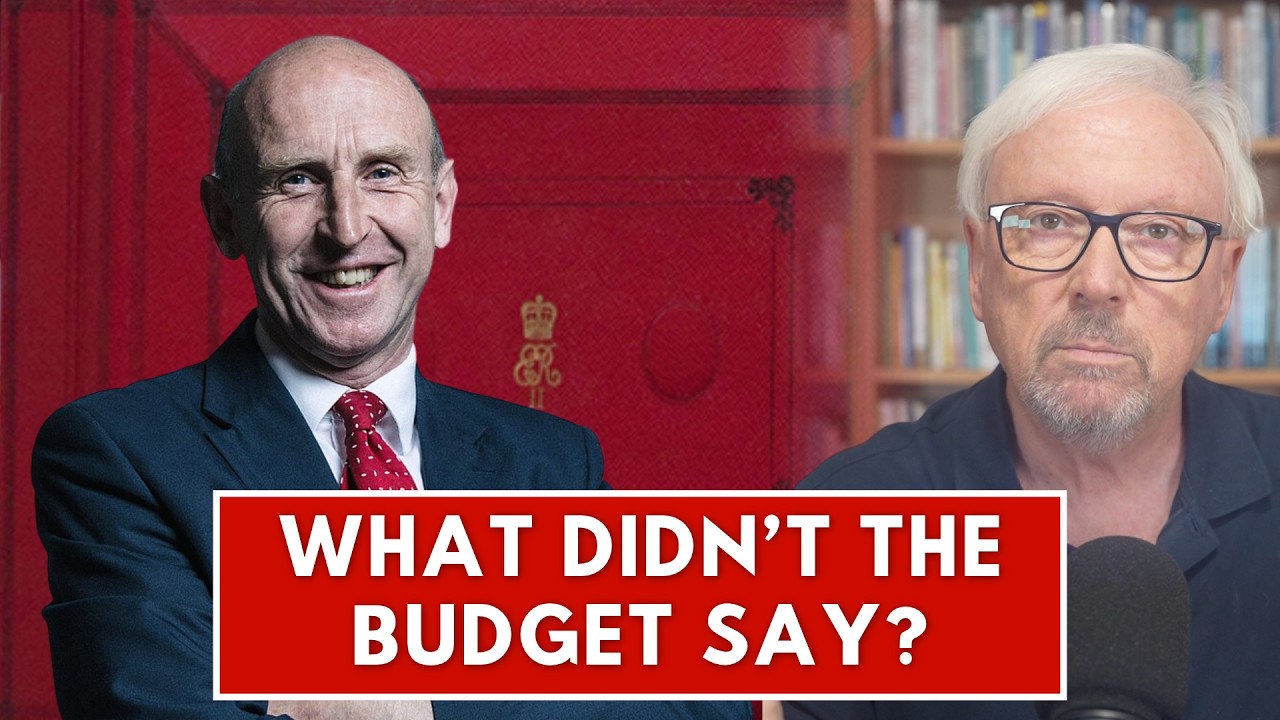
The Budget’s Blind Spots: What Lawmakers Didn’t Mention
Budgets are political documents as much as economic ones. They announce priorities, promise relief, and project confidence.
Budgets are political documents as much as economic ones. They announce priorities, promise relief, and project confidence. But the most revealing details are often the ones left unsaid. This article examines the gaps, omissions, and quiet assumptions in the budget—the issues that never made it into the headline speech but will shape the lives of citizens and the country’s finances in the years ahead.
The Missing Revenue Conversation
The budget’s most conspicuous silence concerns revenue. Spending commitments received extensive attention, yet the question of how they will be funded remained largely unaddressed. When a government outlines new programs without matching revenue measures, it either borrows the difference or relies on optimistic growth forecasts. Both approaches shift the burden to future taxpayers. A credible budget must present spending and revenue as two halves of one equation; this one presented only half.
Growth Assumptions Treated as Certainties
Every budget rests on forecasts, but forecasts are not facts. The projections in this budget assume sustained growth, stable prices, and steady tax collection. Should any of these assumptions falter—through external shocks, commodity price swings, or slower-than-expected investment—the arithmetic changes quickly. What is presented as a deficit target becomes a moving figure. Prudent fiscal planning builds in buffers for this uncertainty. The budget offers little evidence of such buffers.
The Quiet Costs of Debt
Debt service is the line item that never gives a speech but always demands payment. As borrowing rises, interest obligations consume a growing share of the budget, crowding out spending on infrastructure, education, and health. The budget documents may list these payments, but the public conversation rarely confronts their long-term trajectory. Every dollar committed to interest is a dollar unavailable for development. This trade-off deserves explicit attention, not a footnote.
Who Pays, and When
Budgets distribute burdens as well as benefits. Tax changes, subsidy adjustments, and fee structures determine who contributes and who receives. When these distributional choices are left unstated, transparency suffers. Citizens deserve a clear account of how the budget affects different income groups, regions, and sectors. Silence on distribution is not neutrality; it is a decision to obscure.
Implementation: The Unwritten Chapter
A budget is a plan, and plans require execution. The transcript gives little attention to the machinery of delivery: procurement systems, administrative capacity, and accountability mechanisms. History shows that announced spending often differs from spending actually delivered. Without credible implementation frameworks, allocations remain aspirational. The budget’s silence on delivery capacity is perhaps its most consequential omission.
The Vanishing Details
Finally, budgets often bury important measures in technical annexes or omit them from public messaging altogether. Fee adjustments, guarantee schemes, and contingent liabilities can carry substantial fiscal risk while attracting little scrutiny. These quiet provisions can outlast the political moment that produced them. Vigilant legislatures and informed citizens must read beyond the speech.
Conclusion
A budget’s headline numbers tell you what a government wants you to see. Its silences tell you what it would rather you didn’t ask. The omissions identified here—revenue, risk, debt, distribution, implementation, and detail—are not minor gaps. They are the fault lines along which fiscal credibility is tested. Demanding answers to these unasked questions is not opposition; it is the basic work of democratic accountability.
Related Coverage
Social Security’s Clock Is Ticking—Why Nobody’s Talking About It
The Social Security trust fund is projected to run short of money in the coming years, yet the issue has barely registered as a top campaign priority, leaving many Americans unaware of the program’s financial shortfall and the painful choices ahead.
Trump’s Secret Iran Deal: $300 Billion, 60 Days, and No One Has Seen the Text
The White House is claiming a major victory in its interim agreement with Iran, but the full details of the deal remain secret, key nuclear negotiations have been postponed, and even Republican allies in Congress and Israeli officials have not seen the actual text. The agreement, set to be signed Friday in Switzerland, gives Iran immediate financial relief and promises at least $300 billion in reconstruction funds, while pushing the most critical issue—Iran’s nuclear program—into a 60-day negotiation window.
Turkey's 2027 Budget Takes Center Stage: Parliament Weighs Investment Fund Closures
Turkey's parliament is set for a busy week as lawmakers take up the 2027 budget proposal and a bill to liquidate investment funds tied to a major financial scandal.
Related Editorials
Britain’s Budget Illusion: Why Handouts Won’t Fix Inequality
The UK government claims its latest budget will tackle the country’s deepening wealth gap. But a closer look at the numbers reveals a different story: one where short-term giveaways mask long-term structural failures.
Labour’s Fantasy Budget: Why the Numbers Simply Don’t Add Up
As the United Kingdom edges closer to a general election, the Labour Party has presented a series of fiscal promises designed to reassure voters of its economic competence. However, a close examination of the party’s spending plans and revenue forecasts reveals a significant gap between political a
Britain's Debt Time Bomb: Why the Budget's Blind Spot Could Sink the Economy
Introduction Britain's national debt has quietly become a crisis hiding in plain sight. While successive budgets have focused on headline spending figures and short-term giveaways, a far more dangerous problem has been building: the true scale of the country's liabilities is far larger than off
When Budgets Bet on Fiction: The High Cost of False Assumptions
Every budget rests on a foundation of assumptions—projections about revenue, costs, and economic conditions. But what happens when those assumptions are wrong?