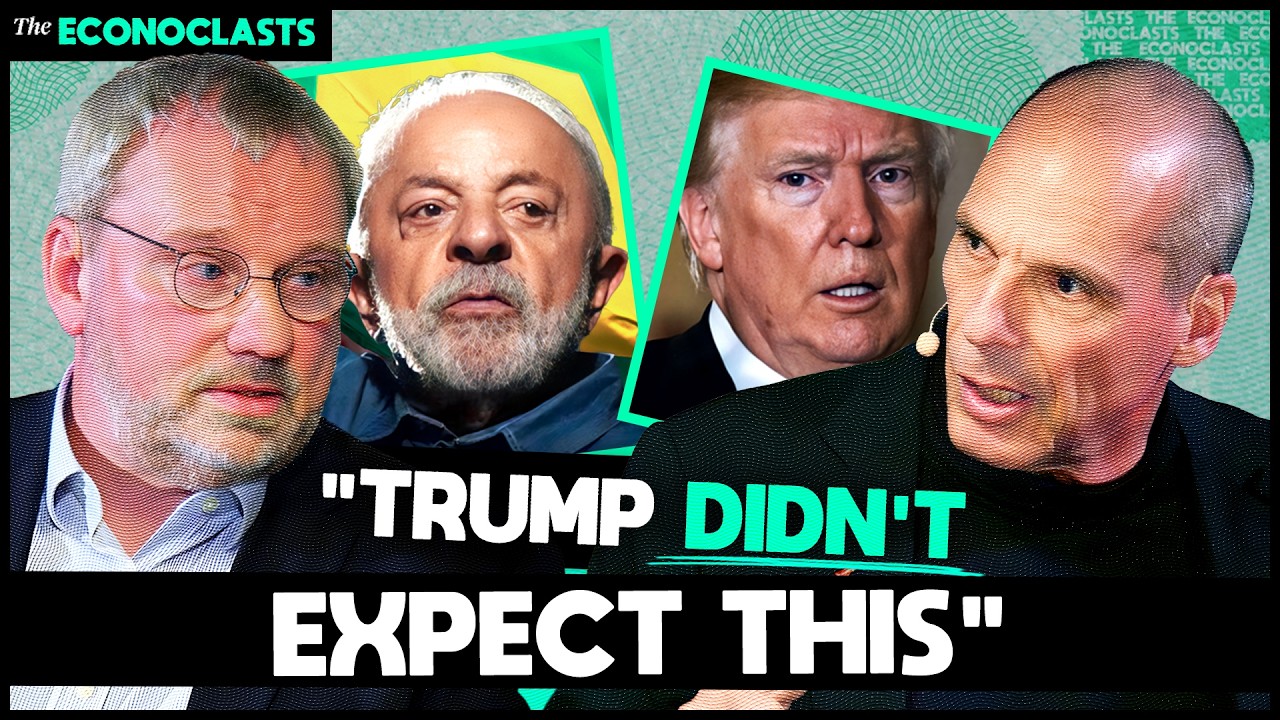
Brazil Just Shattered the Trump Wave — Here's How
Introduction Brazil has done what many thought impossible: it has broken the momentum of the global populist wave. In this analysis, economist Yanis Varoufakis and Wolfgang Munchau examine the recent Brazilian election results and what they reveal about the limits of Trump-style politics.
Introduction
Brazil has done what many thought impossible: it has broken the momentum of the global populist wave. In this analysis, economist Yanis Varoufakis and Wolfgang Munchau examine the recent Brazilian election results and what they reveal about the limits of Trump-style politics. The conversation explores how Brazil's democratic institutions, economic pressures, and social dynamics combined to produce an outcome that defies the international trend — and what that means for the future of populism worldwide.
The Brazilian Exception
Brazil's election outcome stands in stark contrast to recent political shifts in the United States and Europe. While populist movements have gained ground across major democracies, Brazil's electorate delivered a different verdict. Varoufakis and Munchau argue this result is not an anomaly but a signal that the populist wave is neither inevitable nor unstoppable.
Why Brazil Rejected the Populist Playbook
The discussion identifies several factors that shaped Brazil's political trajectory. Economic instability, institutional resilience, and a mobilized civil society all played decisive roles. The speakers note that Brazil's experience with authoritarian governance left a lasting imprint on its political culture, making voters particularly sensitive to threats against democratic norms.
Lessons for the Global Left
Varoufakis and Munchau draw broader conclusions for progressive movements elsewhere. They suggest that Brazil's outcome demonstrates the importance of building broad coalitions, addressing economic grievances directly, and defending democratic institutions without equivocation. The lesson is not that populism has been defeated everywhere — but that it can be defeated.
The Road Ahead
The conversation closes with reflections on what Brazil's path means for international politics. Both economists caution against complacency, noting that the underlying conditions that fuel populism — inequality, economic insecurity, and distrust of elites — remain unresolved. Brazil's election offers a template, but not a guarantee.
Conclusion
Brazil's rejection of the Trump-style playbook is a significant moment in global politics. As Varoufakis and Munchau make clear, it proves that democratic resistance is possible — but only when institutions, civil society, and economic policy work in concert. The question now is whether other nations will learn from Brazil's example.
Related Coverage
Lula Wins Brazil Election, Markets Crash and Bolsonaro's Son Refuses to Concede
Brazil's leftist leader Luiz Inácio Lula da Silva has won the presidential runoff election, but his opponent's refusal to accept the result and a sharp market sell-off have plunged the country into uncertainty.
Lula Wins Fourth Term as Bolsonaro Refuses to Concede and Flees to U.S.
Lula defeats Flávio Bolsonaro 51.79% to 48.21% in Brazil's runoff election, sparking market turmoil and a Supreme Court standoff as the defeated candidate flees to the United States.
Brazil Election Showdown: Lula and Bolsonaro Vote as Nation Decides
Brazilians are voting in a tight runoff election between leftist former President Luiz Inácio Lula da Silva and incumbent President Jair Bolsonaro. The result could shift Brazil sharply to the right and bring it closer to the United States, reflecting a broader conservative trend across the region.
Brazil Dumps US, Races to China Trade Deal After Trump's 25% Tariff War
Brazil has slammed the brakes on trade with the United States and is now speeding toward a deal with China, after Washington hit nearly half of its exports with new tariffs.