# The Red State Paradox: Why Democrats Are Gaining Ground Where They Least Expect It
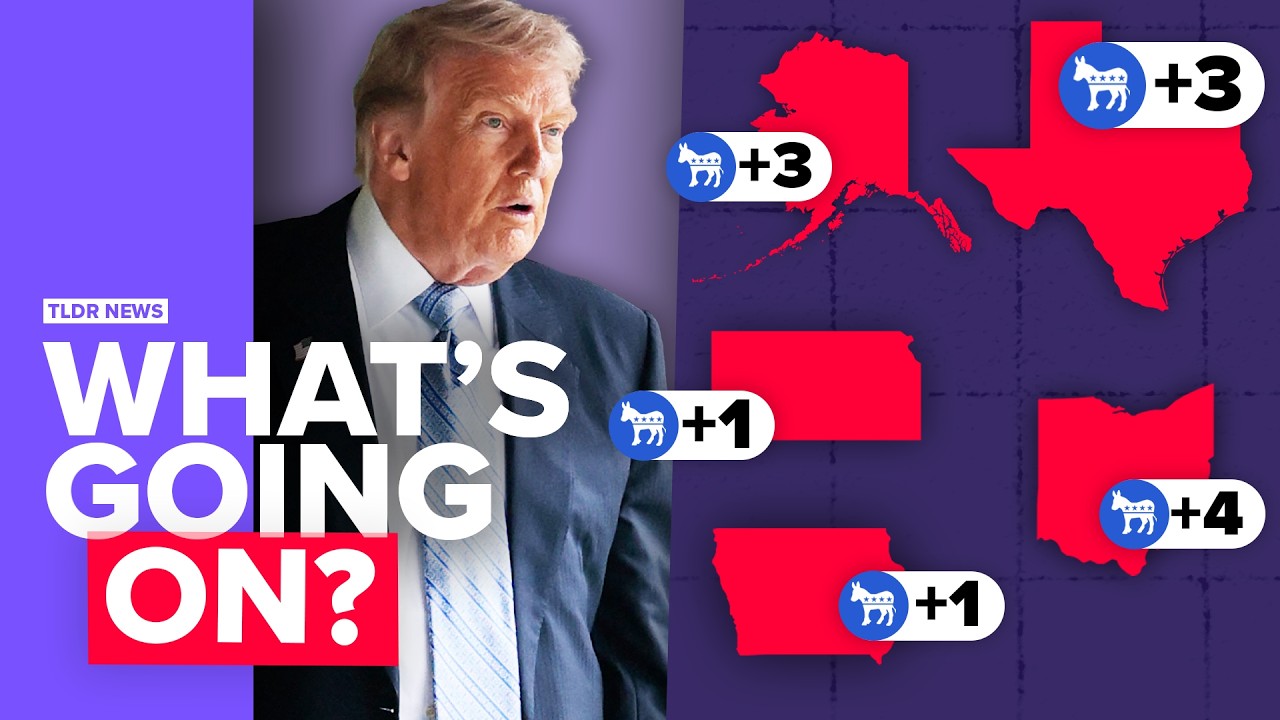
Something strange is happening in American politics. Democrats are polling surprisingly well in deep-red states while struggling in their own blue strongholds.
Something strange is happening in American politics. Democrats are polling surprisingly well in deep-red states while struggling in their own blue strongholds. This reversal defies conventional wisdom and offers a revealing glimpse into the shifting landscape of American political identity.
The Curious Case of Red State Democrats
Recent polling data reveals a striking pattern: Democratic candidates are outperforming expectations in traditionally Republican states. These are places where Democrats have not seriously competed in years, where the party's national brand is supposedly toxic, and where conservative dominance seems assured.
Yet the numbers tell a different story.
Meanwhile, in solidly blue states—places where Democrats hold commanding majorities and where the party's agenda should theoretically flourish—candidates are underperforming. The enthusiasm gap appears to be running in the opposite direction from what political analysts would predict.
Understanding the Disconnect
Several factors explain this counterintuitive trend.
Local versus national identity. Voters in red states often evaluate candidates based on local concerns and personal qualifications rather than national party affiliation. A Democrat who fits the local culture—whether through background, temperament, or policy focus—can overcome the partisan disadvantage that a generic Democrat would face.
The national brand problem. The Democratic Party's national image has become increasingly associated with specific cultural positions that alienate voters in conservative areas. However, individual candidates in red states can distance themselves from these national associations in ways that resonate with local electorates.
Blue state complacency. In deep-blue states, Democratic candidates often face less competitive pressure. Without serious Republican challengers, they may become disconnected from voter concerns, take support for granted, or drift toward positions that satisfy activist bases rather than general electorates.
The Enthusiasm Inversion
Perhaps the most significant factor is voter enthusiasm. In red states, Democratic voters and sympathetic independents may feel their votes matter more—they are part of a minority seeking to influence outcomes in hostile territory. This motivates turnout and engagement.
In blue states, the opposite dynamic occurs. Democratic voters who assume their preferred candidates will win regardless may stay home. The perception of safety breeds apathy. Meanwhile, Republican voters in blue states—though outnumbered—often demonstrate higher motivation and turnout discipline.
What This Means for 2024 and Beyond
This pattern has significant implications for both parties.
For Democrats, the lesson is uncomfortable: the party's national messaging may be hurting candidates in competitive red areas while failing to energize the base in safe blue ones. Success in red states requires candidate quality, local credibility, and the ability to create distance from national party positions when necessary.
For Republicans, the warning is equally clear: red state dominance cannot be assumed. When Democratic candidates effectively localize their campaigns and Republicans nominate weak candidates or embrace unpopular positions, even safe seats can become competitive.
The Bigger Picture
American politics is not as simple as the red-blue map suggests. Within each state, there are communities with diverse concerns, identities, and priorities. Candidates who understand this complexity—who speak to local realities rather than national narratives—can succeed in unexpected places.
The Democratic Party's red state success and blue state struggles reveal a fundamental truth: voters reward authenticity, local connection, and genuine engagement. They punish assumptions of entitlement and take-for-granted support.
As the political landscape continues to evolve, both parties would be wise to remember that no state is permanently safe, and no advantage is guaranteed. The voters, ultimately, decide.
Related Coverage
Democrats Eye Six-Seat Senate Gain as Iowa Race Tightens in 2026 Midterms
Democrats could flip six Senate seats in 2026, according to a new forecast, while a surprisingly close race in Iowa emerges as a key indicator of national voter mood.
Democrats’ Civil War Goes Prime Time: 2 Progressive Wins, 2 Party Splits, 1 Messy Midterm
Democrats are heading into the midterms fractured, with progressive insurgents scoring major primary upsets while party leaders in Texas voted on dueling resolutions to abolish or reform ICE—exposing a divide that could cost them seats in November.
Democrats Surge 9 Points as Trump's Iran War and Fuel Prices Push Iowa Truckers to Revolt
Democrats hold a nine-point lead on the generic ballot with less than a month until the midterms, as Trump's unpopularity and cost-of-living struggles drive voters away — even in deep-red states like Kansas.