Title: Inside America's Military Machine: Why the World's Most Powerful Armed Forces Are at a Breaking Point
Introduction The United States military remains the most formidable fighting force on the planet, boasting a defense budget that exceeds the next ten nations combined. Yet, beneath the surface of this technological and numerical superiority lies a profound paradox.
Introduction
The United States military remains the most formidable fighting force on the planet, boasting a defense budget that exceeds the next ten nations combined. Yet, beneath the surface of this technological and numerical superiority lies a profound paradox. Recent analyses and insider accounts suggest that the institution is grappling with a series of internal crises—ranging from recruitment shortfalls and industrial decay to strategic uncertainty and cultural friction. This is not a story of imminent defeat, but rather an examination of how a superpower’s shield is developing troubling cracks.
The Manpower Dilemma
Perhaps the most immediate threat to American military readiness is not a foreign adversary, but a domestic demographic trend. The Pentagon is facing a recruitment crisis of historic proportions. Currently, approximately 77 percent of young Americans would be ineligible for military service without a waiver, due to issues ranging from obesity and educational deficits to criminal records and drug use.
This is not merely a statistical footnote. For the first time in decades, all branches of the service are struggling to meet annual enlistment goals. The Army, in particular, has missed its targets by significant margins. The root cause is a confluence of factors: a strong civilian job market offering competitive wages without the risk of deployment, a declining trust in institutions, and a growing cultural disconnect between the values of the general public and the rigid demands of military life. The pool of "qualified and willing" is shrinking, forcing the military to consider lowering standards or expanding eligibility—a move that carries significant risks to unit cohesion and operational effectiveness.
The Industrial Base Under Stress
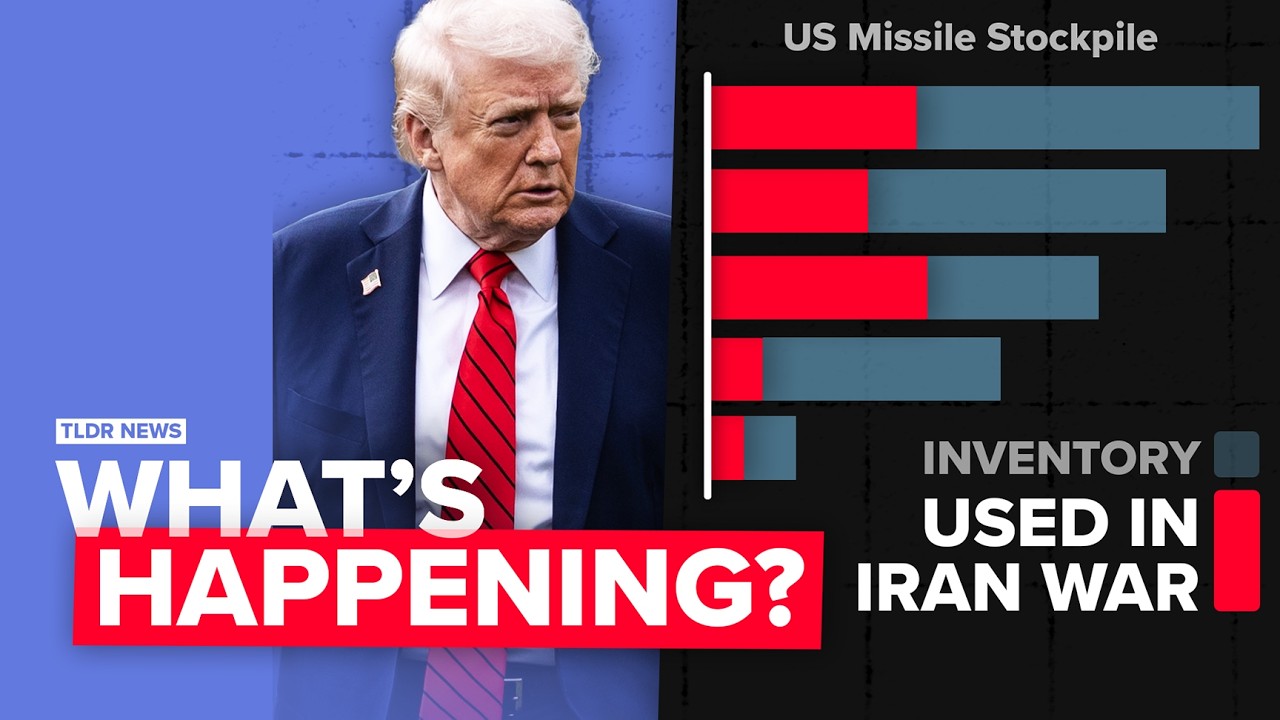
Beyond the human element, the logistical backbone of the U.S. military is showing signs of atrophy. Decades of peace dividend spending cuts and a shift toward high-tech procurement have left the defense industrial base fragile. The United States currently lacks the capacity to produce artillery shells, missiles, and critical munitions at the rate required for a sustained, high-intensity conflict.
The war in Ukraine served as a stark wake-up call. The U.S. and its allies exhausted their stockpiles of key munitions like the 155mm shell within months, revealing that the domestic production lines were running on a peacetime footing. Rebuilding this capacity is not a simple matter of flipping a switch; it requires years of investment in new factories, supply chains, and a skilled workforce. This industrial vulnerability undermines deterrence—if an adversary believes the U.S. cannot sustain a war logistically, the threat of intervention loses its credibility.
Strategic Confusion and the "Two-Front" Problem
Strategically, the military is caught in a pincer movement. The official doctrine pivots toward the Indo-Pacific to counter a rising China, yet the immediate realities of conflict in Europe and the Middle East demand attention and resources. This creates a "two-front" dilemma where the military risks being "too thin" everywhere.
The challenge is not just about having enough ships or planes; it is about prioritization. Investing in hypersonic missiles and unmanned naval vessels for a Pacific conflict requires divesting from legacy systems. However, the political inertia of the defense budget often protects systems that are ill-suited for future wars but provide jobs in key congressional districts. This results in a force that is "postured for yesterday's war" while attempting to prepare for tomorrow's, leaving commanders with a confusing array of capabilities that may not match the actual threat.
The Cultural Fault Line
Finally, the military is increasingly a mirror of the societal divisions it is meant to protect, rather than an exception to them. The institution is navigating a volatile political landscape where issues of diversity, inclusion, and extremism have become politicized.
While the Department of Defense has implemented programs to address extremism in the ranks, these efforts have been met with skepticism from various political factions, who view them as "woke" overreach. This cultural friction impacts morale and retention. Senior non-commissioned officers report spending an increasing amount of time managing social grievances rather than focusing on warfighting skills. When service members feel that their leadership is more concerned with social engineering than combat readiness, trust erodes, and the allure of a military career diminishes.
Conclusion
The U.S. military is not collapsing, but it is undergoing a stress test unlike any it has faced since the end of the Cold War. The convergence of a shrinking manpower pool, a hollowed-out industrial base, strategic overextension, and internal cultural strife presents a complex challenge. The solutions are not found in a single budget line item or a new weapons system. They require a holistic reassessment of what the military is for, how it treats its people, and how it prepares for a future that looks nothing like the past. The world’s most powerful military is entering a critical decade of transition, where the decisions made today will determine whether it remains a dominant force or becomes a cautionary tale of imperial overstretch.