The Startup Nation’s Reckoning: Why Israel’s Economic Miracle Is Hitting a Wall
For decades, Israel has been celebrated as the “Startup Nation,” a global powerhouse of innovation, boasting more NASDAQ-listed companies than any country outside North America and a tech sector that attracts billions in foreign investment. Its economy has weathered wars, intifadas, and global rece
For decades, Israel has been celebrated as the “Startup Nation,” a global powerhouse of innovation, boasting more NASDAQ-listed companies than any country outside North America and a tech sector that attracts billions in foreign investment. Its economy has weathered wars, intifadas, and global recessions with remarkable resilience. Yet beneath the surface of this success story, a more troubling narrative is unfolding. Structural weaknesses—ranging from a chronic labor shortage in high-tech to a ballooning cost of living and a fragile geopolitical position—are converging. While the short-term indicators may look stable, the long-term trajectory suggests that Israel’s economic model may be fundamentally unsustainable.
The High-Tech Dependency
At the heart of Israel’s prosperity lies its technology sector, which accounts for a disproportionate share of exports and tax revenue. This sector is the engine of growth, but it is also a source of extreme vulnerability. The industry is heavily reliant on a narrow pool of highly skilled workers, and the pipeline for new talent is drying up. The ultra-Orthodox (Haredi) population, which makes up a rapidly growing segment of society, largely does not participate in the secular workforce or the tech economy. Simultaneously, the education system struggles to produce enough engineers and programmers to meet demand. This creates a paradox: a country with high unemployment among certain demographics, yet a critical shortage of qualified personnel to sustain its primary economic driver.
The Cost of Security and Isolation
Israel’s geopolitical situation adds a permanent layer of economic friction. The country spends a significant portion of its GDP on defense, resources that could otherwise be directed toward infrastructure or social services. Furthermore, the cycle of conflict acts as a deterrent to foreign direct investment in non-tech sectors. While venture capital flows into software and cybersecurity, other industries—such as manufacturing and tourism—suffer from volatility. The "Iron Swords" war has exacerbated this, forcing the mobilization of reservists, disrupting supply chains, and imposing a sudden, severe fiscal shock. The cost of maintaining security, both physical and economic, is a tax on growth that few other developed nations must pay.
The Cost-of-Living Crisis
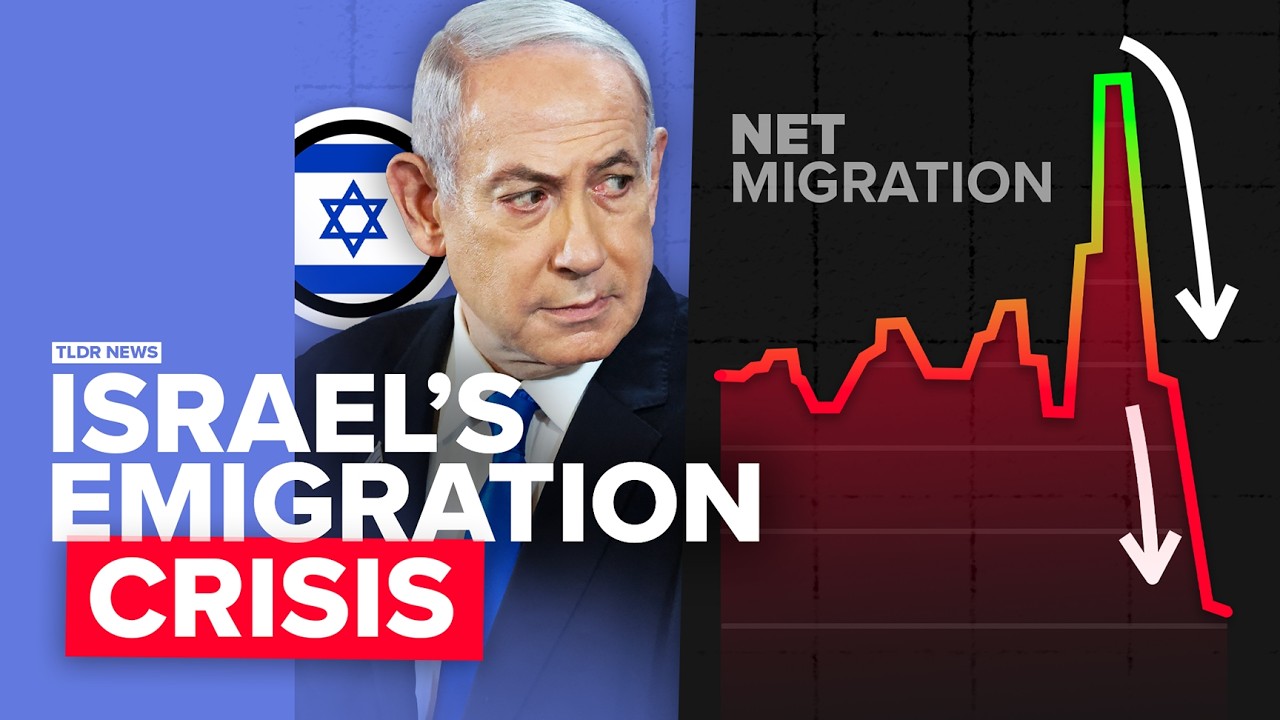
Perhaps the most corrosive long-term threat is the domestic economic pressure. Israel consistently ranks among the most expensive countries in the OECD for housing, groceries, and consumer goods. The economy is dominated by a small number of conglomerates, which stifles competition and keeps prices artificially high. Wages, outside of the tech bubble, have not kept pace with inflation. This has led to a "brain drain" of educated young professionals seeking better living standards in Europe and North America. A society that cannot afford to house its youth or provide a middle-class lifestyle is one that will eventually see its social contract erode, leading to political instability and a decline in the very dynamism that fueled its rise.
The Demographic Time Bomb
The demographic shifts within Israel are not just a social issue; they are an economic one. The Haredi community, characterized by high birth rates and low labor force participation, is projected to become a much larger share of the population. While the secular and religious-Zionist populations largely work and pay taxes, the Haredi sector relies heavily on state subsidies and stipends for Torah study. As this population grows, the ratio of workers to dependents will shrink. The state will face a stark choice: either slash subsidies, which would cause massive social upheaval, or raise taxes on the productive sector, which would further stifle investment and drive more talent abroad. Either path leads to a contraction of the fiscal space necessary for long-term growth.
Conclusion
Israel’s economic resilience is real, but it is not infinite. The current model is a high-wire act, balancing a world-class tech sector against deep structural inefficiencies. The combination of a fractured labor market, a heavy security burden, a prohibitive cost of living, and a demographic shift toward non-productive segments is creating a "slow burn" crisis. The government can no longer rely on innovation alone to outpace these challenges. Without significant reforms to education, labor integration, and market competition, the Startup Nation risks becoming a cautionary tale of a boom built on sand. The window to pivot from a short-term survival mindset to a long-term structural strategy is closing.