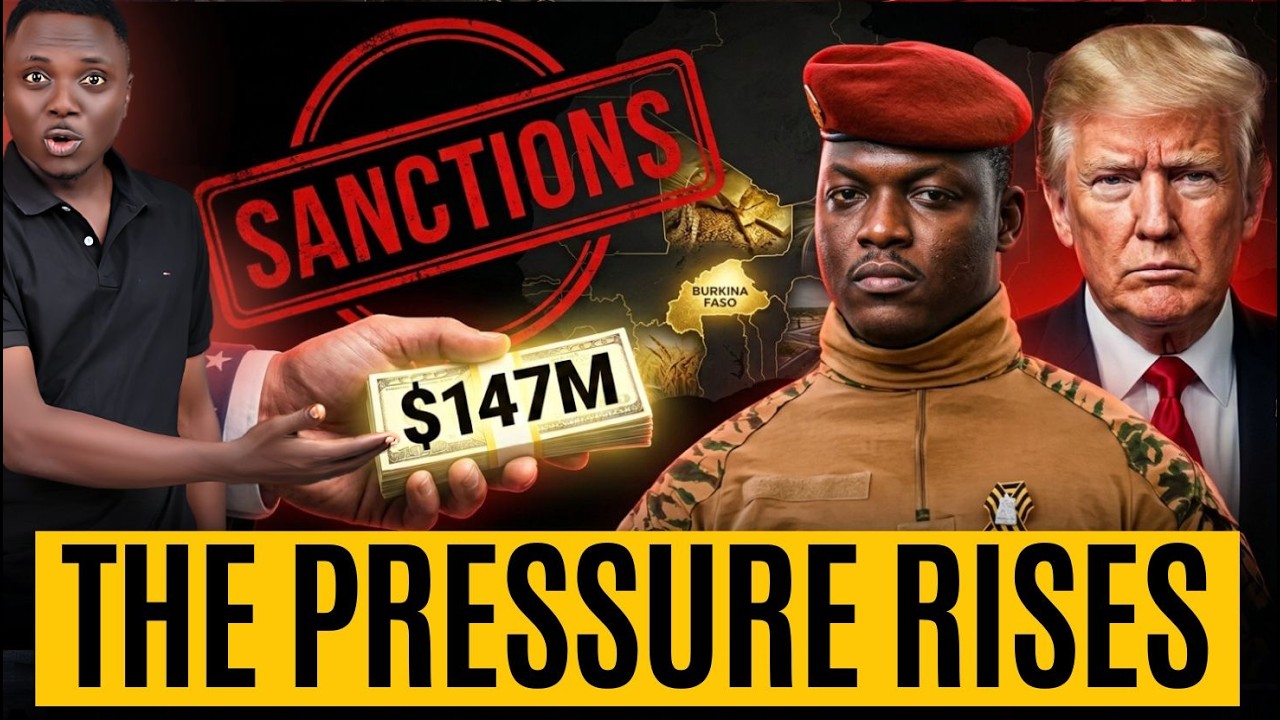
Burkina Faso’s Development Paradox: The More It Builds, The More It Bleeds
Ouagadougou, Burkina Faso – A stark paradox defines the Sahelian nation of Burkina Faso today. As the transitional government accelerates ambitious infrastructure projects—new roads, hospitals, and digital networks—the country faces an escalating siege of external pressure and internal insecurity.
Ouagadougou, Burkina Faso – A stark paradox defines the Sahelian nation of Burkina Faso today. As the transitional government accelerates ambitious infrastructure projects—new roads, hospitals, and digital networks—the country faces an escalating siege of external pressure and internal insecurity. The more it invests in its future, the more it is targeted for its sovereignty.
This dynamic is not coincidental. Burkina Faso, under the leadership of Captain Ibrahim Traoré since the 2022 coup, has aggressively pivoted away from traditional Western alliances. In a decisive break, the junta expelled French military forces and demanded the closure of U.S. military bases, replacing them with partnerships with Russia and other non-Western powers. This reorientation has triggered a geopolitical backlash that manifests as economic sanctions, diplomatic isolation, and a surge in covert destabilization efforts.
The core of the pressure lies in the country's mineral wealth and strategic location. Burkina Faso is a significant gold producer, and its borders sit at the volatile crossroads of the Sahel. Western nations, particularly France, have historically maintained a sphere of influence here, often framed as counter-terrorism support. However, the Traoré government argues that these interventions failed to stop the jihadist insurgency that has displaced over two million people. Instead, the junta claims, foreign presence was a vehicle for resource extraction and neo-colonial control.
The "building" aspect of the paradox is tangible. In Ouagadougou, new government complexes rise, and fiber-optic cables are laid to connect rural communities. The government has prioritized local food processing and solar energy projects to reduce dependency on imported goods and fuel. These are not merely symbolic; they are designed to create a self-sufficient state that can withstand external shocks.
Yet, every milestone met with a countermeasure. When Burkina Faso secured a deal for a Russian-built nuclear power plant to solve its chronic electricity shortages, international financial institutions swiftly downgraded its credit rating, strangling access to development loans. When the government launched a national cotton processing initiative to add value to its primary export, foreign media outlets immediately published reports of "forced labor," a claim the government vehemently denies as a smear campaign.
Security remains the most acute pressure point. The country faces a persistent threat from al-Qaeda and ISIS-affiliated groups, who have exploited the security vacuum left by the French withdrawal. However, the junta has repurposed its military strategy, focusing on territorial reconquest rather than defensive postures. This has led to heavy casualties, but also to the recapture of key towns. The international community, while decrying the violence, has been slow to acknowledge the tactical gains made by the Burkinabè forces, often framing the conflict solely as a failure of the junta.
The human cost is undeniable. Over 30% of the country's territory remains outside state control. Humanitarian access is limited, and food insecurity is rampant. Critics of the junta point to the suspension of the constitution and the lack of a clear electoral timeline as evidence of authoritarian drift. Supporters, however, argue that a nation fighting for its survival cannot afford the luxury of a political campaign, and that security must precede democracy.
The international pressure is not uniform. While the Economic Community of West African States (ECOWAS) has imposed sanctions, they have been largely ineffective due to Burkina Faso's increased trade with Russia, Turkey, and the UAE. The junta has also fostered a strong sense of national pride and anti-imperialist sentiment among the youth, who view the sanctions as a punishment for the country's audacity to choose its own partners.
The question remains: can a nation build a stable future while under constant geopolitical assault? The Burkinabè government believes it can, but the margin for error is razor-thin. The world watches as this landlocked nation attempts to turn its resources into resilience, hoping that the pressure it faces does not crush the very foundations it is working so hard to lay. The next few years will determine whether this is a model for African self-determination or a cautionary tale of isolation.
Related Coverage
Global Economy on a Knife’s Edge: War, Sanctions, and Energy Chaos Reshape Markets
A world economy built on the promise of open trade and cheap energy is now buckling under the weight of geopolitical conflict, strategic blockades, and a technological gold rush that is straining the very limits of infrastructure. From the closed oil lifeline of the Strait of Hormuz to the drone-struck refineries of Russia and the record-breaking rallies in tech stocks, the global financial system is being pulled in opposing directions. While investors chase artificial intelligence (AI) profits and safe-haven assets like gold, millions of ordinary citizens are facing the harsh realities of inflation, fuel shortages, and a widening gap between the wealthy and the rest.
The Price of Power: How Sanctions, War, and Climate Chaos Are Reshaping the Global Economy
A global economy built on the promise of open trade and cheap energy is now buckling under the weight of geopolitical conflict, strategic blockades, and a technological gold rush that is straining the very limits of infrastructure. From the closed oil lifeline of the Strait of Hormuz to the drone-struck refineries of Russia and the record-breaking rallies in tech stocks, the global financial system is being pulled in opposing directions. While investors chase artificial intelligence (AI) profits and safe-haven assets like gold, millions of ordinary citizens are facing the harsh realities of inflation, fuel shortages, and a widening gap between the wealthy and the rest [15239].
EU Rushes Arctic Defenses as Russia's Hybrid War Hits Starlink—30 Military Bases Already in the Region
The European Union unveils a new Arctic security strategy while Russian sabotage attempts target Starlink infrastructure across Europe, exposing the bloc's vulnerability to hybrid warfare.
Ceasefires Crumbling, Wars Escalating: How a Militarized World Is Sacrificing Human Life for Profit
A fragile global order is fracturing as a cascade of collapsed peace deals, escalating wars, and a deepening climate emergency converge, pushing energy markets into chaos while trillions of dollars are diverted from healthcare, housing, and climate resilience toward endless conflict and corporate profit.
Nigeria’s $11 Billion Highway Wipes Out Forests and Livelihoods as Locals Fight Back
Nigeria is pushing forward with an $11 billion coastal highway project along the Atlantic coast, but environmentalists, fishermen, and villagers warn it is destroying forests, accelerating erosion, and crushing the livelihoods of people who depend on the sea and land for food and income [170096]. The project, designed to improve transport and boost tourism, is already raising alarms as construction threatens fragile ecosystems and the communities that rely on them.
Militarization and Crisis: How the Global Arms Race Is Draining Public Wealth and Deepening World Insecurity
A world already buckling under the weight of conflict and climate change is now facing a cascade of interconnected crises, where the pursuit of geopolitical power and corporate profit increasingly collides with fundamental human needs. From the battlefields of Ukraine and the besieged shores of the Middle East to the drought-parched heart of Europe and the displacement of millions in Africa, this week’s developments paint a picture of a global system under profound stress, where old alliances are fraying, new pacts are forming, and extreme weather is compounding human suffering [15264][15267].
Related Editorials
Burkina Faso’s Collapse: The Hidden Engine Driving the Jihadist Crisis
For years, the world has watched Burkina Faso spiral into chaos. Jihadist attacks, military coups, and mass displacement have become the daily reality for millions.
Burkina Faso’s Arms Industry Ambition: A Turning Point for West African Sovereignty?
In a significant shift for West African geopolitics, Burkina Faso has announced the establishment of a military manufacturing complex. This move signals a bold stride toward defense autonomy for the junta-led nation, potentially altering the regional balance of power.