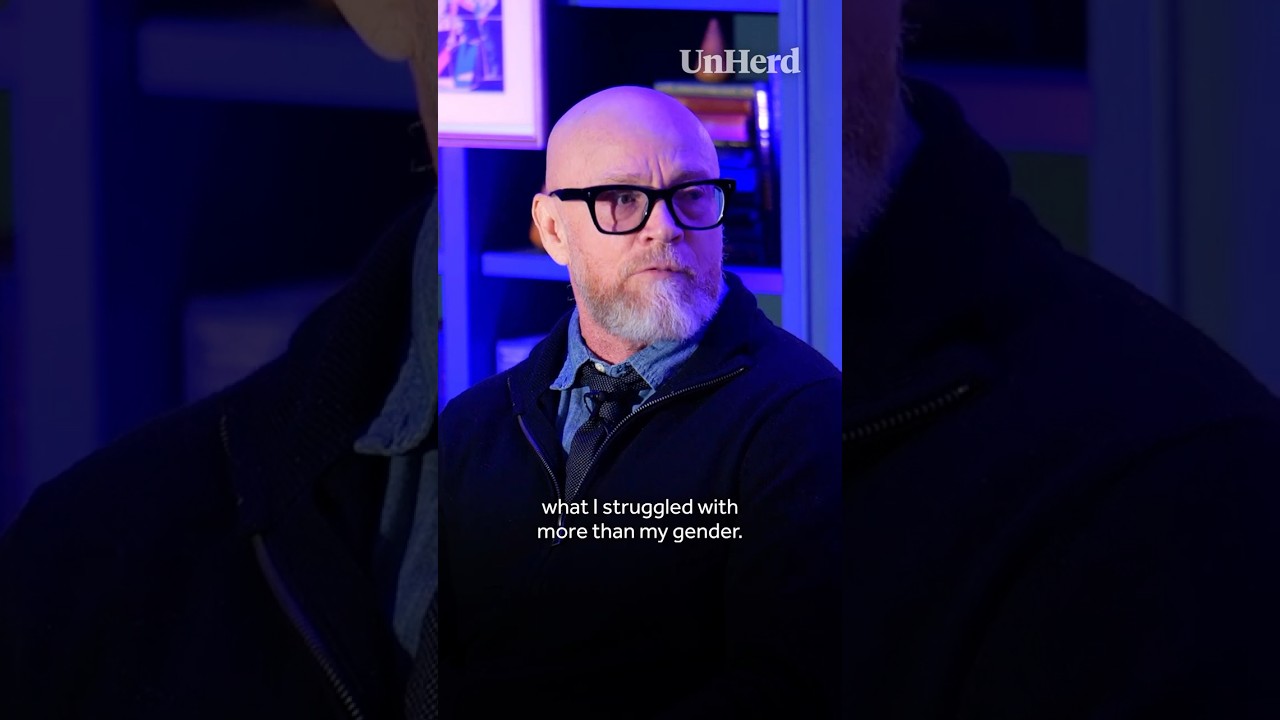
Pioneering Trans Activist Buck Angel: “It’s Okay to Be a Tomboy”
In a recent short video, prominent transgender activist and educator Buck Angel delivered a direct and reassuring message to young audiences: "It's okay to be a tomboy. " The statement, though brief, cuts to the heart of a persistent cultural confusion regarding gender identity and gender expression
In a recent short video, prominent transgender activist and educator Buck Angel delivered a direct and reassuring message to young audiences: "It's okay to be a tomboy." The statement, though brief, cuts to the heart of a persistent cultural confusion regarding gender identity and gender expression.
Angel’s commentary addresses a common misconception that a child’s preference for clothing, toys, or activities typically associated with the opposite sex is an immediate indicator of a transgender identity. By affirming the validity of being a "tomboy"—a term used to describe a girl who exhibits traits or engages in behaviors considered boyish—Angel clarifies a crucial distinction.
The activist argues that gender expression is a spectrum. A girl who prefers short hair and athletic wear is not necessarily a boy, just as a boy who enjoys the arts is not necessarily a girl. Angel’s message encourages parents and guardians to allow children the freedom to explore their interests without the pressure of labeling them prematurely.
This perspective aligns with the broader medical and psychological consensus that gender identity (one’s internal sense of self) is distinct from gender expression (how one presents to the world). Angel’s intervention serves as a reminder that societal norms regarding masculinity and femininity are often restrictive, and that pushing back against them does not inherently signify a change in identity.
By normalizing the tomboy archetype, Angel advocates for a more relaxed approach to childhood development, suggesting that the most supportive response to a child’s non-conforming behavior is acceptance, not immediate categorization. The message is clear: self-discovery takes time, and it is perfectly acceptable to simply be oneself.