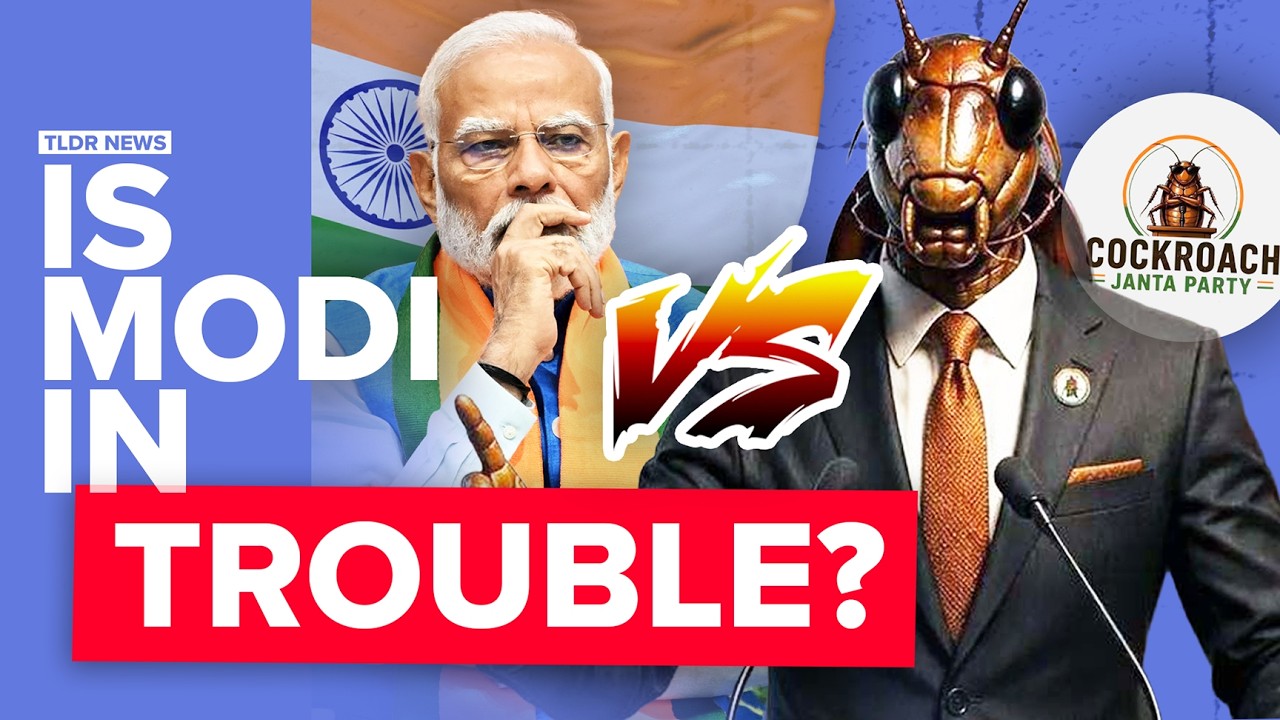
# India’s Gen Z Takes to the Streets: A New Political Awakening
Across India, a generation too young to remember the 1990s economic reforms or the rise of the internet is now shaping the nation’s political landscape. Generation Z—those born between the mid-1990s and early 2010s—has erupted in protests that have caught many observers by surprise.
Across India, a generation too young to remember the 1990s economic reforms or the rise of the internet is now shaping the nation’s political landscape. Generation Z—those born between the mid-1990s and early 2010s—has erupted in protests that have caught many observers by surprise. But for those who understand the pressures facing India’s youth, the unrest is not unexpected.
The Spark: Unemployment and Unmet Expectations
India’s economy has grown rapidly over the past two decades, yet this growth has not translated into enough jobs for its young population. The country has one of the largest youth populations in the world, with over 65% of its 1.4 billion citizens under the age of 35. Each year, millions of young Indians enter the job market, but formal employment opportunities remain scarce.
The unemployment rate for young people aged 15 to 29 stands at approximately 23%, according to government data. For those with university degrees, the situation is even more dire: nearly one in three graduates cannot find work. This mismatch between education and employment has created a reservoir of frustration.
The Catalyst: A Controversial Examination System
The immediate trigger for the recent protests was a major scandal involving the National Eligibility cum Entrance Test (NEET), the medical school entrance exam. In June 2024, allegations surfaced that the exam had been compromised, with leaked question papers and result manipulation. For millions of aspiring doctors, this was not merely an administrative failure—it was a betrayal of their future.
NEET determines who gains access to India’s limited medical college seats. Students spend years preparing, often at great financial cost to their families. When the system appeared rigged, the response was swift and angry. Protests erupted in cities from New Delhi to Kolkata, with young demonstrators demanding a re-examination and an independent investigation.
Beyond NEET: A Broader Crisis of Trust
The NEET scandal, however, is only the most visible symptom of a deeper problem. India’s youth have grown increasingly skeptical of institutions they believe are failing them. The education system produces graduates without marketable skills. The political system offers few avenues for meaningful participation. The economy promises growth but delivers precarious, informal work.
Social media has amplified these grievances. Platforms like Instagram and WhatsApp allow young people to organize rapidly, share information, and bypass traditional media gatekeepers. The same digital tools that enable online shopping and entertainment now facilitate political mobilization.
The Government’s Response
Prime Minister Narendra Modi’s administration has acknowledged the protests but has struggled to address the underlying causes. In July 2024, the government announced a task force to reform the examination system. It also pledged to create 10 million new government jobs over the next five years.
Critics argue these measures are insufficient. They point out that India needs to generate at least 8 million jobs annually just to keep pace with population growth. The proposed 10 million jobs over five years would cover only a fraction of that need.
What This Means for India’s Future
The Gen Z protests mark a significant shift in Indian politics. This generation is more educated, more connected, and more globally aware than any before it. They have seen how young people in other countries have forced political change. They are less willing to accept the status quo.
Whether these protests will translate into lasting political reform remains uncertain. Past youth movements in India have often fizzled out or been co-opted by established parties. But the scale and intensity of the current unrest suggest something different.
India’s demographic dividend—the economic advantage of having a large working-age population—could become a demographic disaster if young people cannot find productive employment. The protests are a warning that this generation will no longer wait quietly for opportunities that never arrive.
The streets of India’s cities now echo with demands that the country’s leaders cannot ignore. Gen Z has found its voice. The question is whether anyone is truly listening.
Related Coverage
Young Turks to Politicians: “Bring the Peace Process Down to the People”
A new generation of activists in Turkey, too young to remember the country’s first peace process, is now demanding a grassroots approach to reconciliation, rejecting top-down negotiations in favor of community-led solutions.
India’s ‘Cockroach’ Youth Uprising Explodes: 60 Injured as Police Crack Down on 10,000-Strong Protest March on Parliament
Tens of thousands of young Indians, calling themselves the "Cockroach Janta Party," marched on Parliament in New Delhi demanding the resignation of the education minister, sparking violent police baton charges and tear gas that left 60 protesters injured.
Canada’s Social Media Ban for Teens Faces Legal Firestorm — and Teen Rebellion
Canada’s new law barring teenagers under 16 from social media platforms like Instagram and TikTok is facing a major legal challenge, while teens across the country vow to bypass the restrictions.