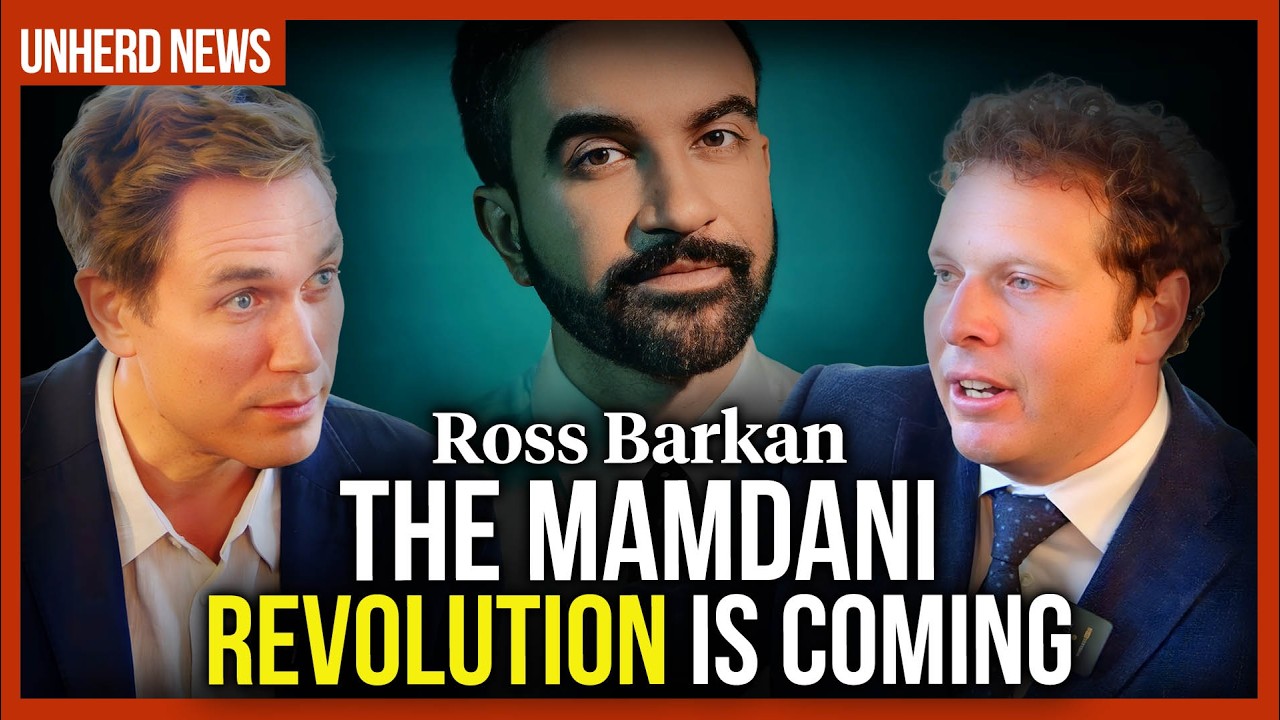
The Inevitable Mamdani Revolution: Why the Global South Is Rejecting the “NGO Republic”
For decades, a single model of governance has dominated the developing world: the post-colonial state, propped up by international aid, non-governmental organizations (NGOs), and a Western-educated elite. According to a growing chorus of political analysts, that model is not just failing—it is coll
For decades, a single model of governance has dominated the developing world: the post-colonial state, propped up by international aid, non-governmental organizations (NGOs), and a Western-educated elite. According to a growing chorus of political analysts, that model is not just failing—it is collapsing. The alternative, rooted in the work of Ugandan scholar Mahmood Mamdani, is a fundamental rethinking of how power, citizenship, and justice operate outside the Western framework.
The Problem: The “NGO Republic”
At the heart of the current crisis is what critics call the “NGO Republic.” This system emerged after the Cold War, when Western powers and international financial institutions began funneling aid directly through NGOs rather than through sovereign governments. The logic was simple: bypass corrupt or inefficient states to deliver services directly to the people.
However, this approach created a parallel state. NGOs, funded by foreign donors, took over essential functions like healthcare, education, and legal aid. Local governments were weakened, stripped of their legitimacy and their ability to set national priorities. The result, argues Mamdani, is a “de-politicized” society. Citizens become passive recipients of charity rather than active participants in a political community. They look to foreign donors for solutions, not to their own governments or civic institutions.
The Mamdani Critique: History Matters
Mahmood Mamdani’s work offers a sharp critique of this model. He argues that the Western liberal framework—which separates the state from civil society and focuses on individual rights—does not fit the historical realities of Africa, Asia, and the Middle East.
Mamdani’s key insight is the concept of “deracializing” the state. He traces the roots of modern conflict back to the colonial system, which created a bifurcated state: one set of laws for the colonizers (based on civil law and individual rights) and another for the colonized (based on customary law and ethnic identity). This, he argues, institutionalized ethnic division and prevented the emergence of a unified citizenry.
The NGO Republic, in Mamdani’s view, perpetuates this division. By funding projects based on ethnicity, gender, or specific “vulnerable groups,” donors reinforce the very colonial categories that cause conflict. Instead of building a shared national identity, they create a patchwork of competing interests, each dependent on a foreign patron.
The Revolution: Reclaiming the State
The “Mamdani revolution” is not a violent uprising. It is an intellectual and political shift that is gaining traction across the Global South. Its core demand is the reclamation of the state.
This revolution argues that the only way to achieve lasting peace, development, and justice is to rebuild a strong, sovereign, and accountable state. This means:
Ending donor dependency: Countries must reduce their reliance on foreign aid and NGOs, even if it means slower short-term growth. The goal is to build a state that answers to its own citizens, not to foreign funders.
Creating a unified legal system: Instead of a dual system of civil and customary law, the state must establish a single, non-racial, and non-ethnic legal framework for all citizens.
Fostering genuine citizenship: The state must actively create a sense of national identity that transcends ethnic or religious lines. This requires political parties, trade unions, and civic groups that organize around shared interests, not inherited identities.
Prioritizing substantive justice: The revolution rejects the idea that justice is simply a matter of holding elections or passing laws. It demands land reform, economic redistribution, and the dismantling of colonial-era economic structures that concentrate wealth in the hands of a few.
Is It Coming?
The evidence suggests that the Mamdani revolution is already underway. From South Africa’s struggles to break free from its colonial economic structures to the push for a “New International Economic Order” by nations in Latin America and Southeast Asia, the desire for genuine sovereignty is palpable.
The failure of the NGO Republic is most visible in conflict zones. In places like Afghanistan, Iraq, and parts of the Sahel, billions of dollars in aid have failed to build stable states. Instead, they created corrupt, fragmented systems that collapsed under pressure.
The alternative, inspired by Mamdani, is difficult. It requires political will, long-term vision, and a willingness to reject the easy money of foreign aid. But for many in the Global South, the cost of maintaining the current system is far higher. The revolution is not a choice; it is an inevitability. The question is whether the West is ready to accept a world where the Global South writes its own rules.
Related Coverage
War, Oil, and a World on Fire: How a Broken Global System Is Crushing the World’s Most Vulnerable
A cascade of collapsing ceasefires, escalating wars, and a deepening climate emergency is shattering the global order, pushing energy markets into chaos and leaving millions of ordinary people—especially the world’s poorest—to bear the costs of a system that prioritizes military spending and corporate profit over human welfare.
War, Fire, and Famine: How a Broken Global System Is Crushing the World’s Most Vulnerable
A cascade of collapsing ceasefires, escalating wars, and a deepening climate emergency is converging to shatter the global order, pushing energy markets into chaos and leaving millions of ordinary people—especially the world’s poorest—to bear the costs of a system that prioritizes military spending and corporate profit over human welfare.
Ceasefires Crumble, Wars Escalate: How a Broken Global Economy Fuels a World on Fire
A fragile global order is fracturing as a cascade of collapsing ceasefires, escalating wars, and a deepening climate emergency converge, pushing energy markets into chaos and leaving millions of ordinary people to bear the costs of a system that prioritizes military spending and corporate profit over human welfare.
War, Fire, and Famine: How a Broken Global System Is Crushing the World’s Most Vulnerable
A cascade of collapsing ceasefires, escalating military conflicts, and a deepening climate emergency is converging to shatter the global order, pushing energy markets into chaos and leaving millions of ordinary people—especially the world’s poorest—to bear the costs of a system that prioritizes military spending and corporate profit over human welfare.
# War, Oil, and a World on Fire: How Collapsing Ceasefires and a Broken System Are Crushing the Global Economy
A cascade of collapsing peace deals, escalating wars, and a deepening climate emergency is converging to reshape the global order, pushing energy markets into chaos and leaving millions of ordinary people—especially the world's poorest—to bear the costs of a system that prioritizes military spending and corporate profit over human welfare.
# War, Oil, and a World on Fire: How Collapsing Ceasefires and a Broken System Are Crushing the Global Economy
A cascade of collapsing peace deals, escalating wars, and a deepening climate emergency is converging to reshape the global order, pushing energy markets into chaos and leaving millions of ordinary people—especially the world's poorest—to bear the costs of a system that prioritizes military spending and corporate profit over human welfare.
Related Editorials
The Sahel’s Quiet Revolution: Why Mali, Burkina Faso, and Niger Turned Their Backs on the West
In a move that has reshaped the geopolitical map of West Africa, three nations—Mali, Burkina Faso, and Niger—have collectively severed ties with their traditional Western allies. This is not a sudden coup or a fleeting protest; it is a calculated, strategic pivot that signals a new era of self-dete
The Broken Feedback Loop: Why Governments Are Designed to Fail
From crumbling infrastructure to pandemic mismanagement, citizens across the globe are asking the same question: Why do governments keep failing? The answer is not a lack of intelligence, funding, or good intentions.
Africa’s Quiet Revolt: Why the Continent Is Tired of South Africa Speaking for It
By [Your Name/Editorial Staff] For decades, South Africa has been the de facto voice of the African continent on the global stage. Its economic power, its history of the anti-apartheid struggle, and its relatively robust media and diplomatic corps have given Pretoria a megaphone that few other Afri
Britain’s Broken State: Why the Machinery of Government Needs a Total Rebuild
The United Kingdom is running on a system designed for a different era. From sluggish infrastructure to a crisis in public services, the evidence suggests that the current model of governance is no longer fit for purpose.