# The AI Bubble Is Inflating Faster Than You Think
Introduction The artificial intelligence industry is experiencing a surge of exuberance that bears striking resemblance to the dot-com era. Recent market movements, product launches, and investor behavior suggest that the AI sector has entered what many analysts describe as a "bubbly" phase—a p
Introduction
The artificial intelligence industry is experiencing a surge of exuberance that bears striking resemblance to the dot-com era. Recent market movements, product launches, and investor behavior suggest that the AI sector has entered what many analysts describe as a "bubbly" phase—a period of rapid valuation growth driven more by hype than by underlying fundamentals. Understanding the mechanics of this phenomenon is essential for anyone navigating today’s technology landscape.
What "Bubbly" Means in the AI Context
A "bubble" in financial terms refers to a situation where asset prices rise far beyond their intrinsic value, fueled by speculative demand rather than sustainable earnings. In the current AI market, this manifests as skyrocketing valuations for companies that have yet to demonstrate consistent profitability. The term "extra bubbly" captures the acceleration of this trend: a combination of aggressive investment, media frenzy, and the fear of missing out (FOMO) among institutional and retail investors alike.
The Key Drivers
Three primary factors are inflating the AI bubble:
Generative AI Hype Cycle: The launch of products like ChatGPT and Midjourney captured public imagination, creating a narrative that AI will transform every industry overnight. This narrative, while not entirely unfounded, has led to unrealistic expectations about the speed of adoption and revenue generation.
Easy Capital: Low interest rates in recent years flooded the market with cheap money. Venture capital firms and tech giants poured billions into AI startups, often without rigorous due diligence. The result: companies with little more than a prototype are valued at hundreds of millions of dollars.
Big Tech Competition: Microsoft, Google, Amazon, and Meta are locked in an arms race to dominate AI. Their willingness to spend heavily—on talent, infrastructure, and acquisitions—drives up costs and valuations across the sector. Smaller players benefit from this tailwind, even if their business models remain unproven.
Signs of Overheating
Several indicators suggest the AI market is overheating:
Valuation Disconnects: Some publicly traded AI companies trade at price-to-sales ratios exceeding 20x, while traditional software companies average around 5x. This implies investors expect decades of future growth to be realized within a few years.
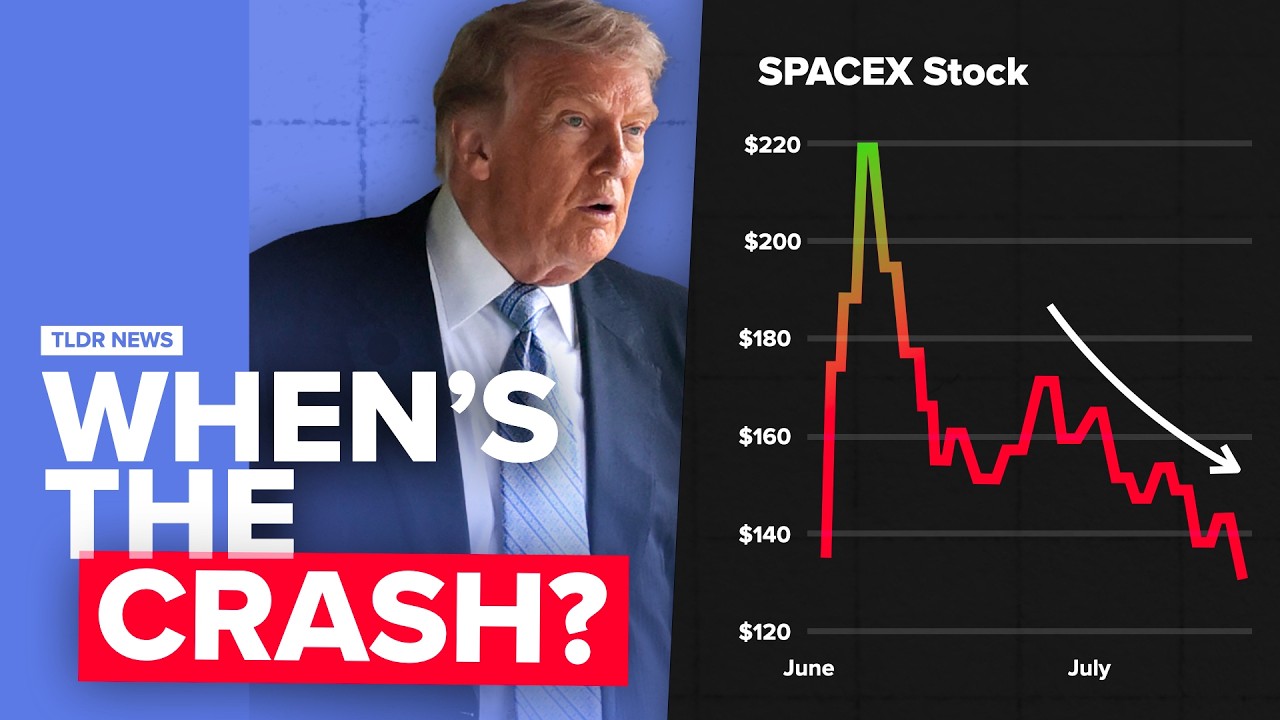
SPAC and IPO Frenzy: Special purpose acquisition companies (SPACs) have merged with numerous AI startups, many of which later revised revenue forecasts downward. The pattern echoes the 2021 SPAC crash.
Talent Bidding Wars: AI researchers with limited industry experience now command salaries comparable to seasoned executives. This inflation of human capital costs signals a market that may be pricing in perfection.
Historical Parallels
The current AI bubble shares DNA with the 1990s internet bubble. Back then, companies adding ".com" to their name saw stock prices soar. Today, adding "AI" to a product description or company mission statement produces similar effects. The difference is speed: information travels faster, capital moves quicker, and the hype cycle has compressed from years to months.
However, history also offers a cautionary tale. The dot-com crash wiped out trillions in market value, but it also cleared the path for sustainable giants like Amazon and Google. Similarly, a potential AI correction could separate lasting innovations from speculative vapor.
What Comes Next?
Predicting the exact timing of a bubble burst is impossible. But several developments could trigger a recalibration:
- Regulatory action: Governments may impose restrictions on AI development, slowing investment.
- Disappointing earnings: If leading AI companies fail to meet revenue targets, investor sentiment could sour rapidly.
- Technological plateau: If progress in AI model performance stalls, the narrative of exponential growth loses credibility.
For now, the AI market remains exuberant. The key question is not whether a correction will occur, but whether the underlying technology can deliver on its promises before investor patience runs out.
Conclusion
The AI industry is indeed "extra bubbly," but bubbles are not inherently bad. They concentrate capital and talent toward transformative technologies. The danger lies in mistaking hype for substance. Savvy observers will watch for fundamentals—revenue, user retention, and real-world applications—rather than headlines. The companies that survive the eventual shakeout will be those that build durable businesses, not just compelling stories.
Related Coverage
AI Is Already Killing Jobs: 7 Signals That Will Tell You If the Robot Takeover Is Real
- Shenzhen robotaxis idling thousands of human drivers - Hong Kong: AI will "exceed all previous industrial revolutions" - 7 specific signals economists are tracking (entry-level hiring, "AI-proof" roles like nursing/plumbing, corporate AI vs labor spend, productivity, inflation, stocks, tax revenue from displaced workers) - China's 8-agency plan to wire factories with AI + 5G - Pope Leo XIV's first encyclical: AI must serve human dignity
AI Wealth Boom Sparks Urgent Call for New Tax Code as Millions of Office Jobs Face Automation
As artificial intelligence drives nearly 60% of US economic growth, experts warn that without a new tax code, the wealth generated will concentrate among a small group while millions of back-office jobs—many held by women—are automated away.
AI’s $3 Trillion Gamble: Big Tech Spends Big, But Will It Pay Off?
Big Tech companies have poured billions into artificial intelligence, but a growing number of signals suggest the massive spending may not deliver the expected returns, raising the stakes for investors and entire economies.
Brace for Impact: Tech Volatility Hits 23-Year High as a “Pleistocene” Bubble Looms
Investors are fleeing US stocks at the fastest rate in months, as a record spike in tech volatility and warnings of a historic valuation bubble signal the bull market may be running out of steam.
China Forces Every AI Agent to Register with a Digital ID as Global Debt and AI Hype Create ‘Complex’ Risks
China has introduced a new national standard requiring every artificial intelligence agent to carry a unified digital ID, as the Bank for International Settlements warns that high government debt and the rapid AI boom are creating “complex” risks for the global economy.
SK Hynix Surges 7% on AI Chip Boom, Apple and Deutsche Telekom Ride Tech Wave
SK Hynix shares jumped sharply on continued demand for high-bandwidth memory chips used in artificial intelligence, while Apple and Deutsche Telekom also gained on shifting chip demand and telecom pricing strategies.