Europe Scrambles for "Digital Sovereignty" as Reliance on U.S. Tech Becomes Critical Weakness
Europe Scrambles for "Digital Sovereignty" as Reliance on U.S. Tech Becomes Critical Weakness European leaders are racing to reduce the bloc's deep and dangerous dependence on American technology giants, a vulnerability laid bare by recent geopolitical tensions. The push for "digital sovereignty"—control over the continent's own digital infrastructure—has become a top strategic priority, with officials warning that reliance on U.S. firms for everything from cloud computing to payment systems leaves Europe exposed to political pressure [58167][58171]. This urgent reassessment follows a series of confrontations that highlighted Europe's precarious position. Analysts point to the United States' ability to weaponize economic tools, such as cutting a nation off from global payment networks like Visa and Mastercard, as a stark warning. A senior European Parliament member has explicitly cautioned that a future U.S. administration could use this financial power to force policy changes, spurring calls for an EU-owned alternative payment system [58480]. The dependence is comprehensive. The European Union's economy and society run on American-provided cloud services, professional software from companies like Microsoft, social media platforms, and critical financial plumbing [58167]. This makes threats of regulatory action against these firms difficult to enforce, as any disruption could cripple European businesses and citizens. In response, lawmakers are pushing for massive investment to build competitive, homegrown tech alternatives. The goal is to create European champions in key digital sectors, mirroring the success of the Airbus consortium in aerospace [58480]. However, experts question the feasibility of catching up to established U.S. behemoths, noting it would require years of development, vast sums of money, and a concerted effort to attract top global talent [58171]. The debate has shifted from whether Europe can create its own tech giants to how it can secure its autonomy. Some argue that Europe's strength may lie not in rivaling U.S. and Chinese platform giants, but in becoming the world's foremost integrator and regulator of advanced technology, setting global standards through strict privacy and ethical rules [53007]. Yet, the prevailing political momentum is toward building indigenous capacity, driven by the recognition that every digital service sourced from abroad is a potential point of leverage for Washington [44570]. This drive for technological independence is part of a broader European awakening to the risks of over-reliance on the United States, spanning energy, defense, and finance. The message from analysts and officials is unanimous: to survive as an independent power, Europe must convert its economic weight into genuine strategic leverage and control over the foundational tools of the modern world [58069][58663]. Europe's Digital Dilemma: Reliant on US Tech It Seeks to Curb Europe's Digital Dilemma: Can It Break Free from US Tech Giants? Trump Could Cut Off Europe's Cards, Warns EU Lawmaker US Tech Giants and White House Ally to Pressure EU, Report Warns Europe's Tech Edge: It's Not About Giants, But How You Use Them Europe's Trump Test: Time to Use Its Own Power Europe Must "Make US Feel Cost" of Pressure, Argues Analyst
Articles in this Cluster

Germany Warns: Europe's Energy Security at Critical Risk
Europe's Choice: Change or Face Irreversible Decline
Trump's Next Weapon? U.S. Gas Could Pressure Europe
Trump Could Cut Off Europe's Cards, Warns EU Lawmaker
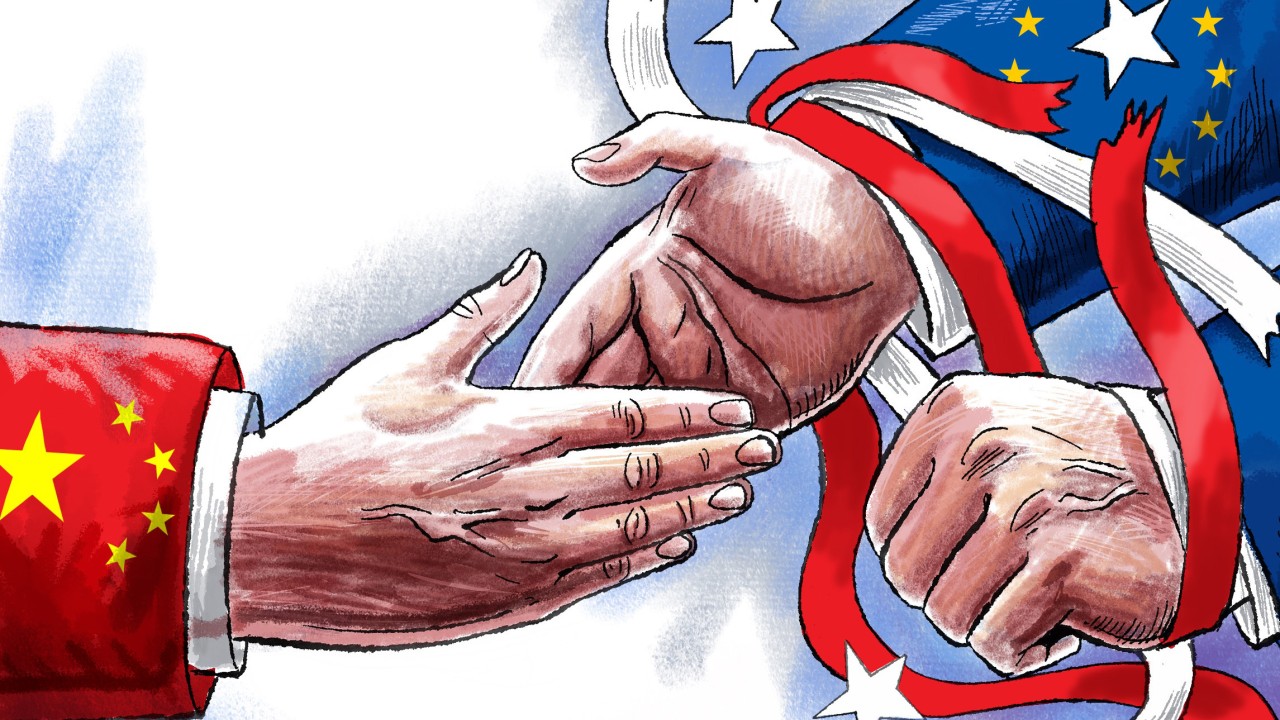
Europe Must "Make US Feel Cost" of Pressure, Argues Analyst
US Tech Giants and White House Ally to Pressure EU, Report Warns
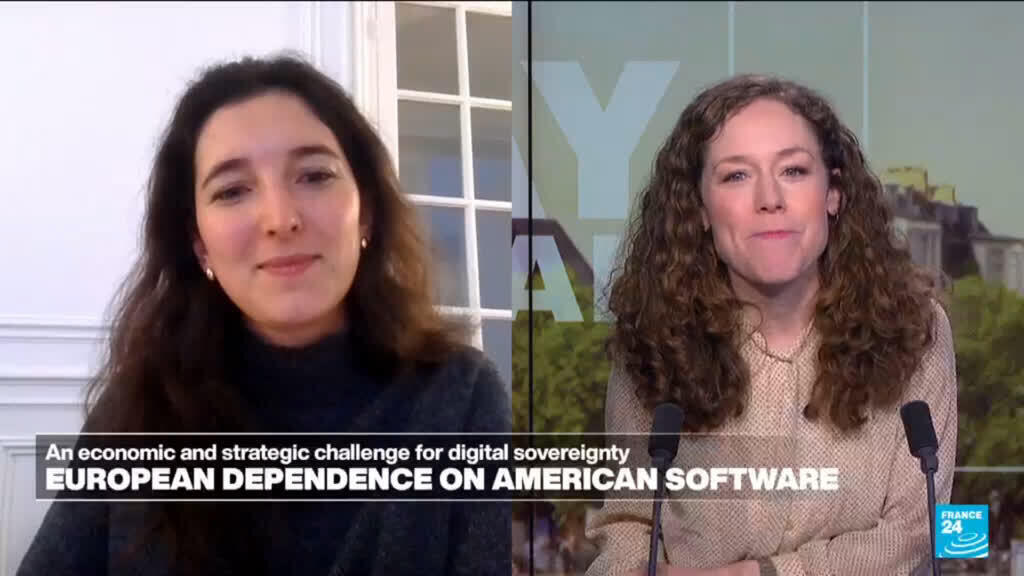
Europe's Digital Dilemma: Reliant on US Tech It Seeks to Curb

Europe's Digital Dilemma: Can It Break Free from US Tech Giants?
Europe's New Fear: A Broken Map

Europe's Tech Edge: It's Not About Giants, But How You Use Them