Ukraine Ramps Up Drone War, Hitting Russian Refineries and Radars in Coordinated Strikes
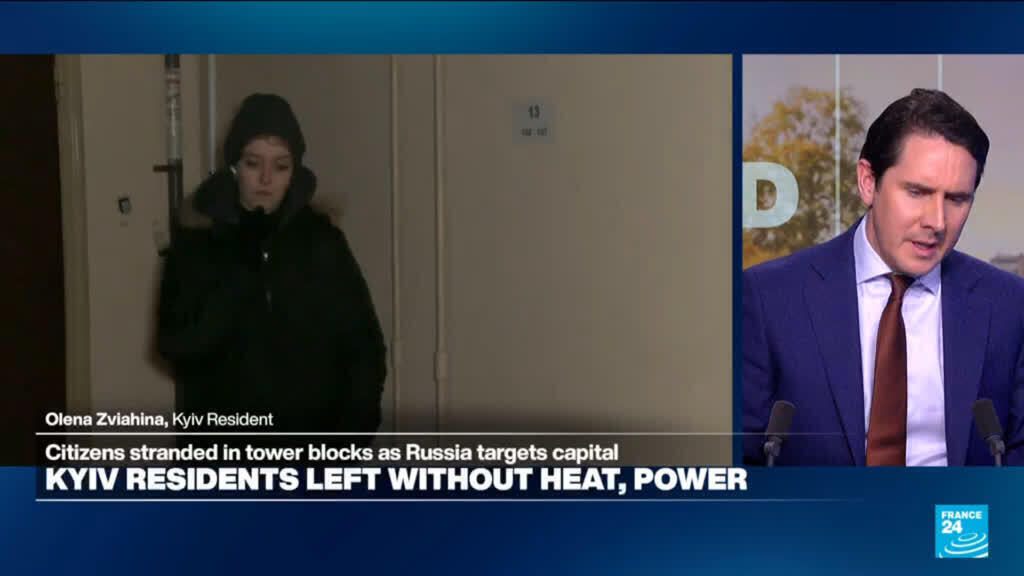
Ukraine Ramps Up Drone War, Hitting Russian Refineries and Radars in Coordinated Strikes Ukraine is intensifying a long-range campaign against Russian military infrastructure, striking fuel depots and air defense systems deep behind enemy lines while laying plans for a massive, domestic drone manufacturing surge to sustain the fight. In a significant blow to Russian logistics, Ukrainian forces successfully hit the Slavyansk Eco oil refinery in Russia's Krasnodar region [59115]. Kyiv stated the facility was a legitimate target as it supplies fuel for Moscow's military operations. This attack is part of a broader pattern; satellite imagery confirmed another strike on a major fuel depot in Penza, approximately 600 kilometers inside Russian territory [58417]. Simultaneously, Ukrainian intelligence forces struck a critical "Podlyot" radar station in Russian-occupied Crimea. The destruction of this advanced system, used for airspace monitoring and directing air defenses, was officially confirmed by Ukraine's military intelligence agency [58417]. Analysts say these coordinated strikes aim to cripple Russia's war logistics and blind its air defense network. To sustain and expand such operations, Ukraine is embarking on an unprecedented industrial effort. The country aims to produce 7 million drones in 2026, a figure that is 70 times higher than the total number of drones ever manufactured by the United States [59428]. This target underscores the central role unmanned systems now play, with drones enabling year-round reconnaissance and attacks that have ended the traditional seasonal pauses in fighting [59102]. The battlefield developments continue amid a grim reality for Ukrainian civilians. Russia is systematically targeting Ukraine's energy grid, creating a humanitarian crisis as winter sets in. In the capital, Kyiv, some districts have endured blackouts for over 16 days, leaving residents without heat in sub-zero temperatures [58548]. More than 1,300 apartment buildings in the city were without heating following recent strikes [58750]. Experts describe the strategy as an "energy war" aimed at breaking civilian morale [58553]. Diplomatic efforts to end the conflict remain stalled. The Kremlin has stated that recent talks were "constructive" but warned major obstacles remain [59237]. Russia's public demands for peace include Ukraine surrendering the entire Donbas region [58955] and withdrawing forces from key eastern cities like Sloviansk and Kramatorsk [59112]—conditions Kyiv has repeatedly rejected. In a sign of financial stability bolstered by Western support, Ukraine's debt outlook was recently upgraded by a major credit rating agency from "negative" to "stable" [59117]. This follows an agreement by international creditors to delay debt repayments until at least 2027. On the security front, President Volodymyr Zelenskyy announced that a bilateral security agreement with the United States is "100% ready" for signing, awaiting only the finalization of a date and location [58426][58750]. Ukraine Strikes Key Russian Oil Refinery, Moscow Blames "Debris" Ukraine Strikes Deep: Russian Fuel and Radar Hit in Coordinated Blows Ukraine Plans to Build More Drones in One Year Than U.S. Has Ever Made Drones, Not Mud, Now Dictate Ukraine's Winter War Kyiv Endures 16-Day Blackout as Peace Talks Continue US-Ukraine Security Pact "100% Ready" for Signing, Zelenskyy Says "Russia Targets Ukraine's Power Grid in Winter" Kremlin: Ukraine Talks "Constructive," But No Deal Yet Moscow Demands Ukraine Cede Donbas to End War Russia Demands Ukraine Surrender Key Cities Before Ceasefire Deal Ukraine's Credit Rating Improves Despite Ongoing War US-Ukraine Security Deal "100% Ready," Awaiting Signature
Articles in this Cluster
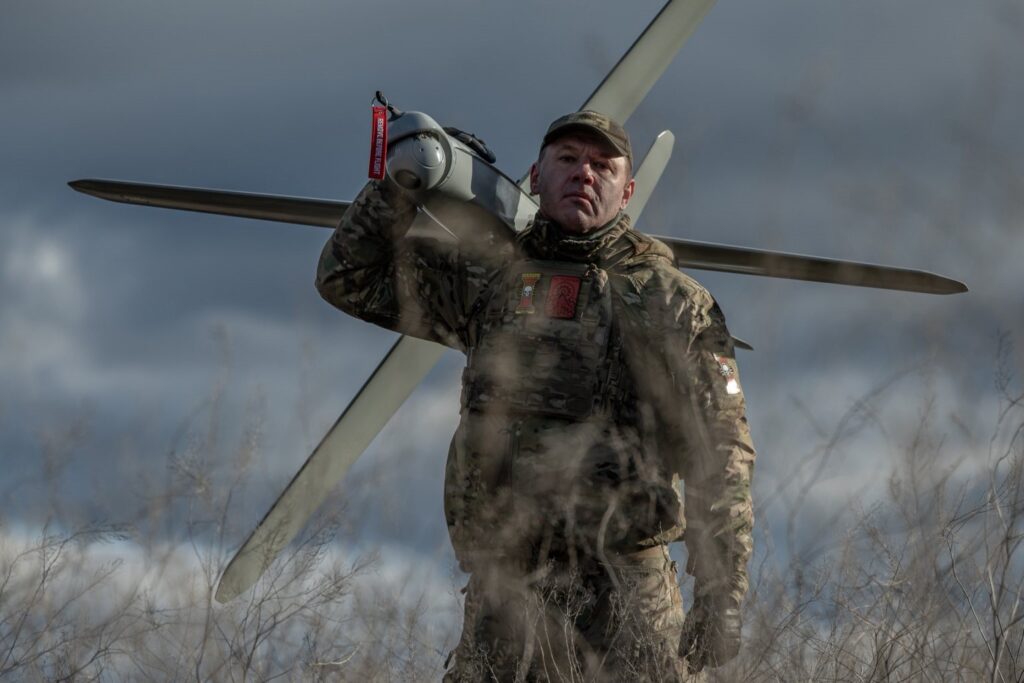
Ukraine Plans to Build More Drones in One Year Than U.S. Has Ever Made
Putin's Winter Weapon: Ukrainians Freeze as Cold Becomes a Tool of War
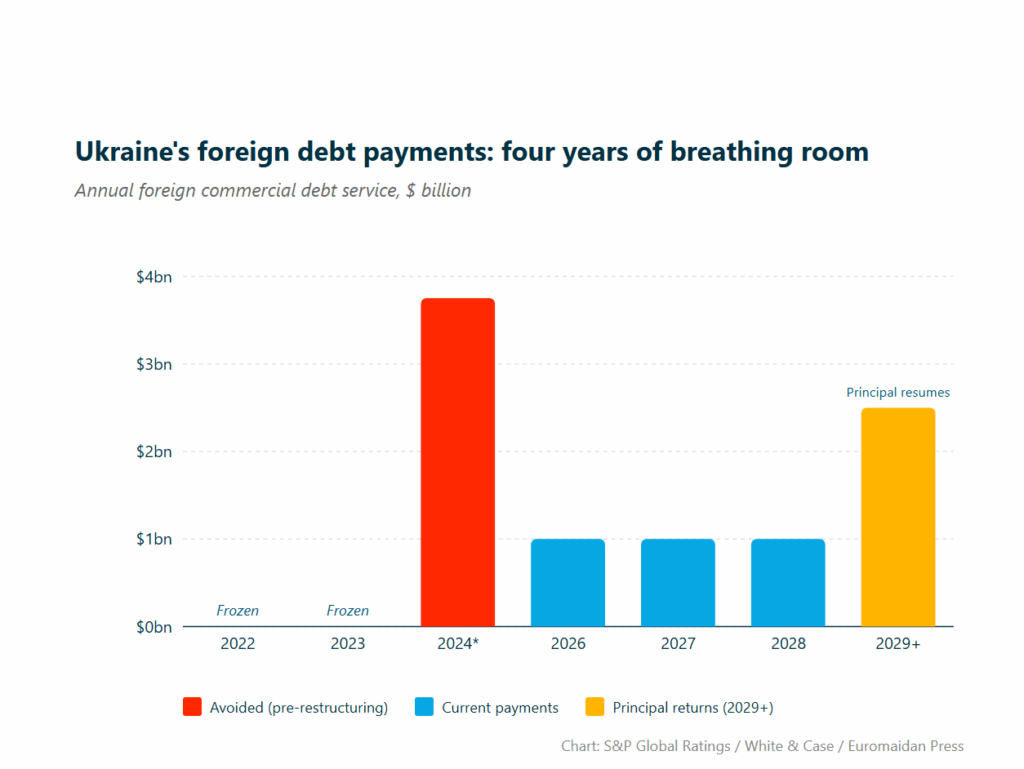
Ukraine's Credit Rating Improves Despite Ongoing War

Kremlin: Ukraine Talks "Constructive," But No Deal Yet

Russia Demands Ukraine Surrender Key Cities Before Ceasefire Deal
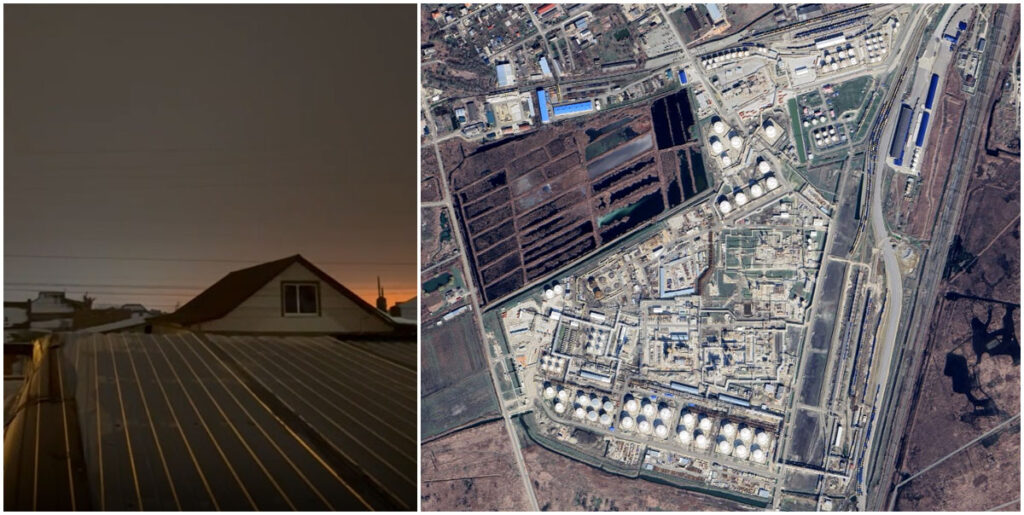
Ukraine Strikes Key Russian Oil Refinery, Moscow Blames "Debris"
Drones, Not Mud, Now Dictate Ukraine's Winter War
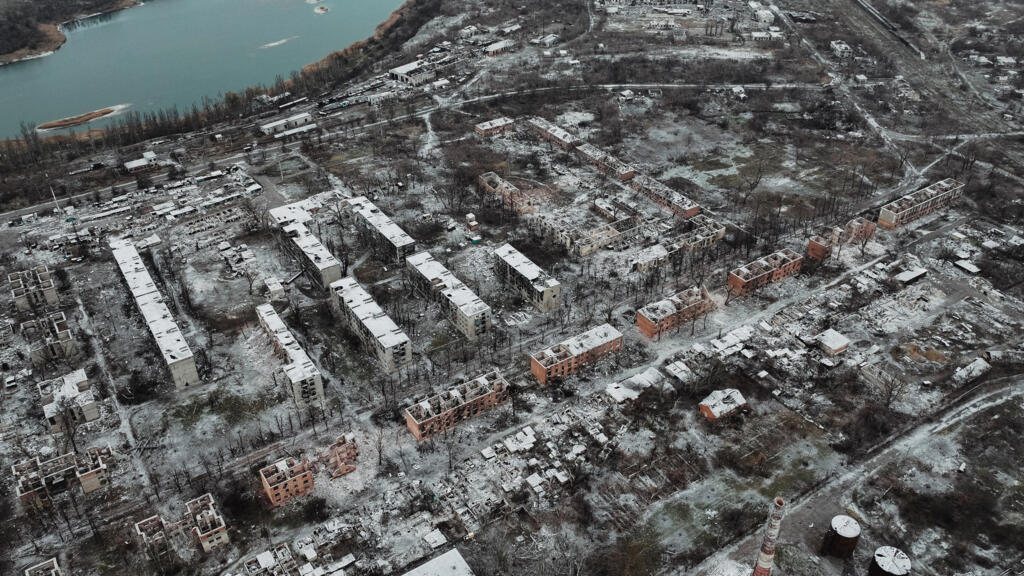
Moscow Demands Ukraine Cede Donbas to End War
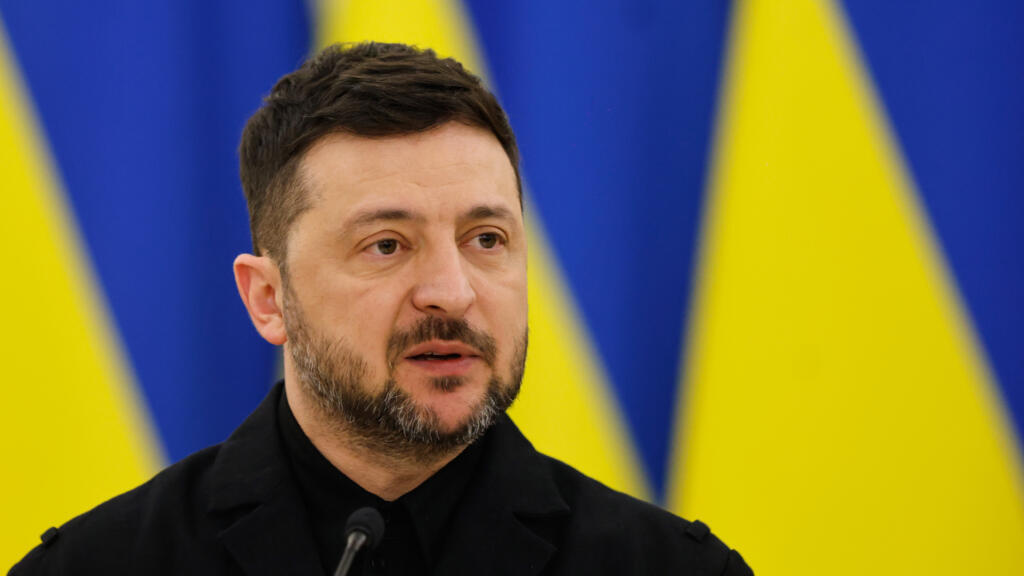
U.S.-Ukraine Security Deal "100% Ready," Says Zelensky
US-Ukraine Security Pact "100% Ready" for Signing, Zelenskyy Says
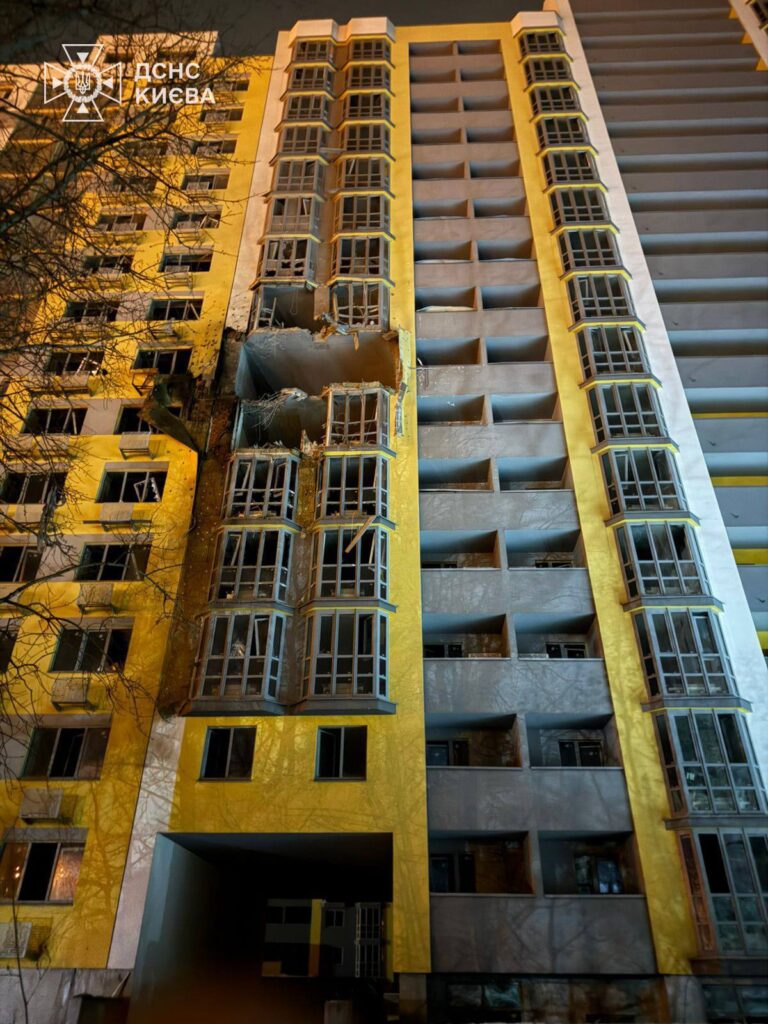
Russia Strikes Ukraine Cities as Peace Talks Open
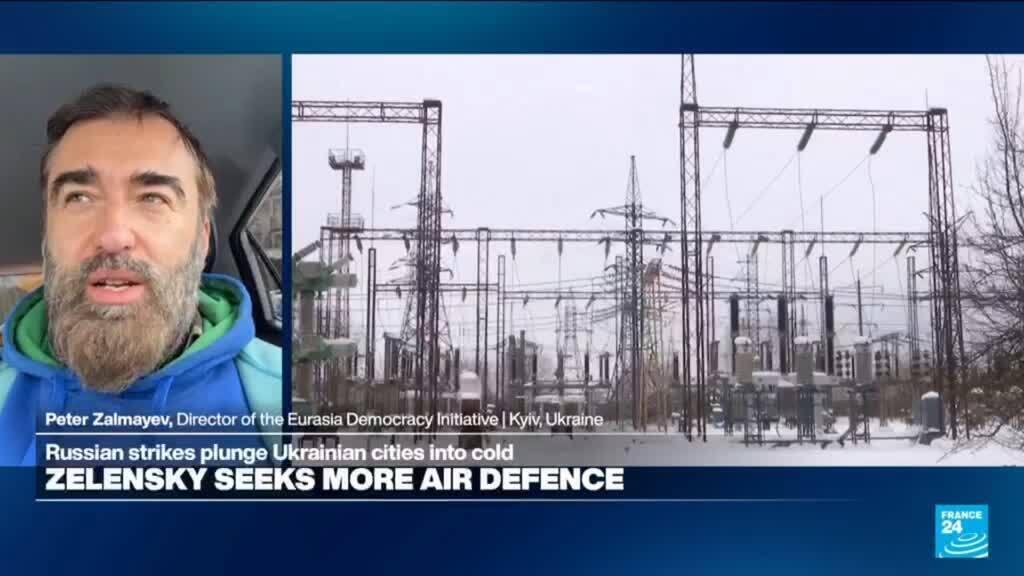
"Russia Targets Ukraine's Power Grid in Winter"
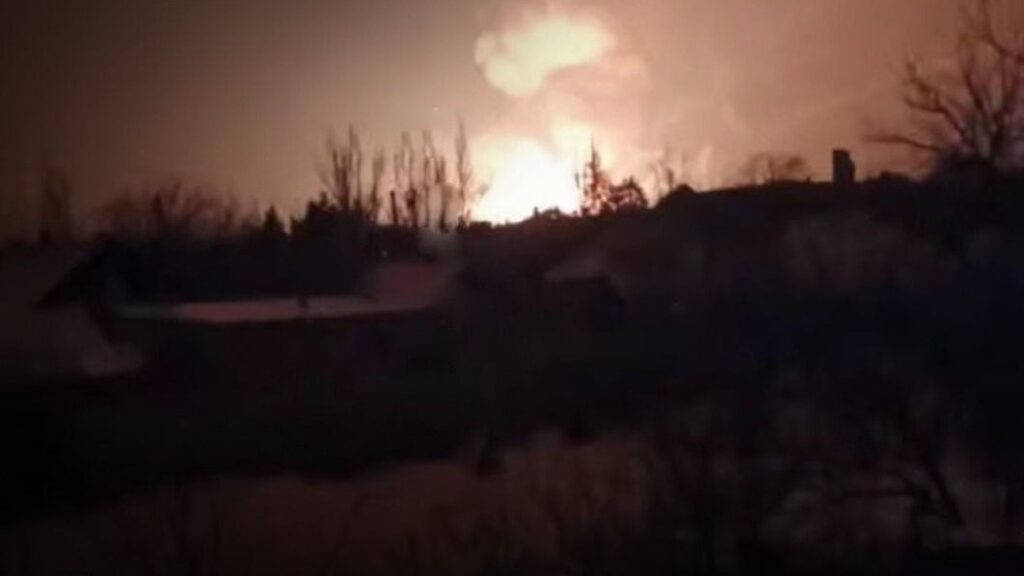
Ukraine Strikes Deep: Russian Fuel and Radar Hit in Coordinated Blows