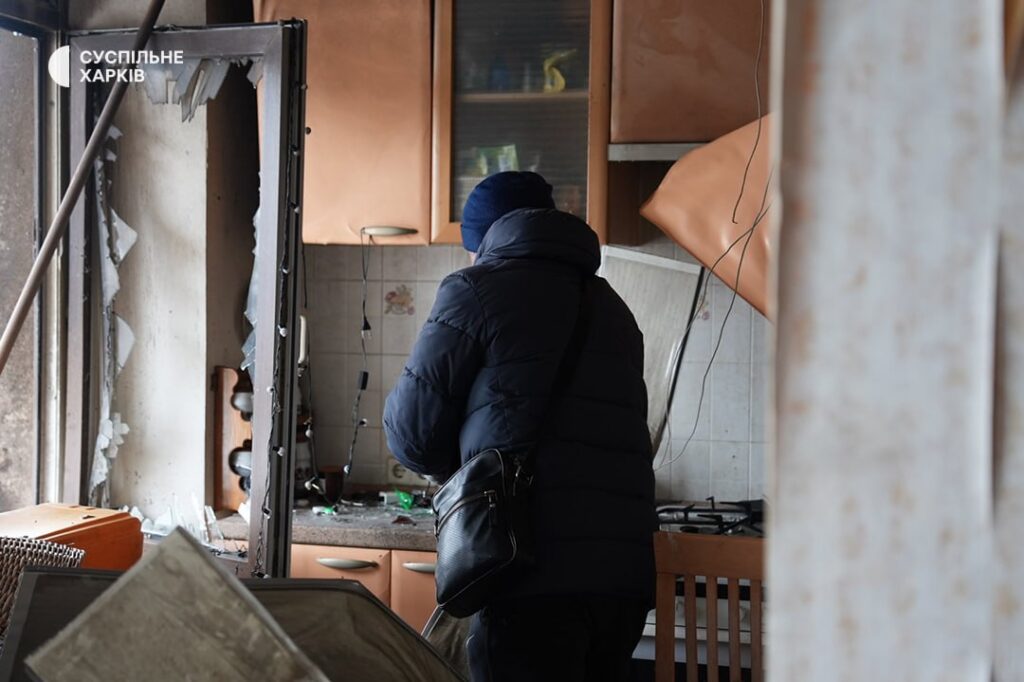
Ukraine Ramps Up Drone War, Strikes Deep in Russia as Peace Talks Stall
Ukraine Ramps Up Drone War, Strikes Deep in Russia as Peace Talks Stall Ukraine is dramatically expanding its domestic drone production while launching long-range strikes on Russian military infrastructure, as diplomatic efforts to end the war remain deadlocked over Moscow's demands for Ukrainian territory. President Volodymyr Zelensky announced that a major bilateral security agreement with the United States is "100% ready" for signing, pending final logistical details [58557][58426]. The deal, which would provide long-term security guarantees, was finalized after talks involving U.S., Ukrainian, and Russian representatives [58750]. On the battlefield, a decisive shift is underway. Military analysts report that drones, not weather, now dictate the pace of the war, allowing high-intensity combat to continue through the winter months [59102]. In response, Ukraine aims for an unprecedented scale of production, targeting the manufacture of 7 million drones in 2026—a figure 70 times higher than the total number of drones ever made by the United States [59428]. This industrial effort supports a strategy of striking Russian logistics far behind the front lines. In a coordinated operation, Ukrainian forces recently hit a key fuel depot in Penza, Russia, approximately 600 kilometers from Ukraine, and destroyed a critical "Podlyot" radar station in occupied Crimea [58417]. Separately, Ukraine struck the Slavyansk Eco oil refinery in Russia's Krasnodar region, a facility that supplies fuel for Moscow's military operations [59115]. These developments unfold as Russia sets steep preconditions for any ceasefire. The Kremlin demands that Ukraine fully withdraw its forces from the key eastern cities of Sloviansk, Kramatorsk, and Kostiantynivka before talks can begin [59112]. Moscow has also stated that Kyiv must surrender the entire Donbas region, most of which Russia already controls, as a core condition for peace [58955]. A senior Kremlin official called recent negotiations "constructive" but acknowledged major obstacles remain, with no final deal in sight [59237]. Amid the stalemate, Russia continues to target Ukrainian civilian infrastructure. A major missile and drone attack struck multiple cities, damaging energy facilities and residential areas [58413]. These strikes on the power grid have caused widespread blackouts, with some parts of Kyiv enduring 16 days without electricity amid sub-zero temperatures [58548]. Lithuania's foreign minister condemned the assault, which left 1.2 million people without power during peace talks, as Russia using "the language of terror" [58412]. Despite the ongoing war, Ukraine received a vote of financial confidence as a major credit rating agency upgraded its debt outlook from "negative" to "stable," citing international support and a debt payment freeze agreed by its creditors [59117]. Ukraine Plans to Build More Drones in One Year Than U.S. Has Ever Made Ukraine Strikes Key Russian Oil Refinery, Moscow Blames "Debris" Drones, Not Mud, Now Dictate Ukraine's Winter War U.S.-Ukraine Security Deal "100% Ready," Says Zelensky Ukraine Strikes Deep: Russian Fuel and Radar Hit in Coordinated Blows Russia Demands Ukraine Surrender Key Cities Before Ceasefire Deal Moscow Demands Ukraine Cede Donbas to End War Kremlin: Ukraine Talks "Constructive," But No Deal Yet Russia Strikes Ukraine Cities as Peace Talks Open Kyiv Endures 16-Day Blackout as Peace Talks Continue Russia Speaks "Language of Terror" in Blackout Strike During Peace Talks Ukraine's Credit Rating Improves Despite Ongoing War
Articles in this Cluster
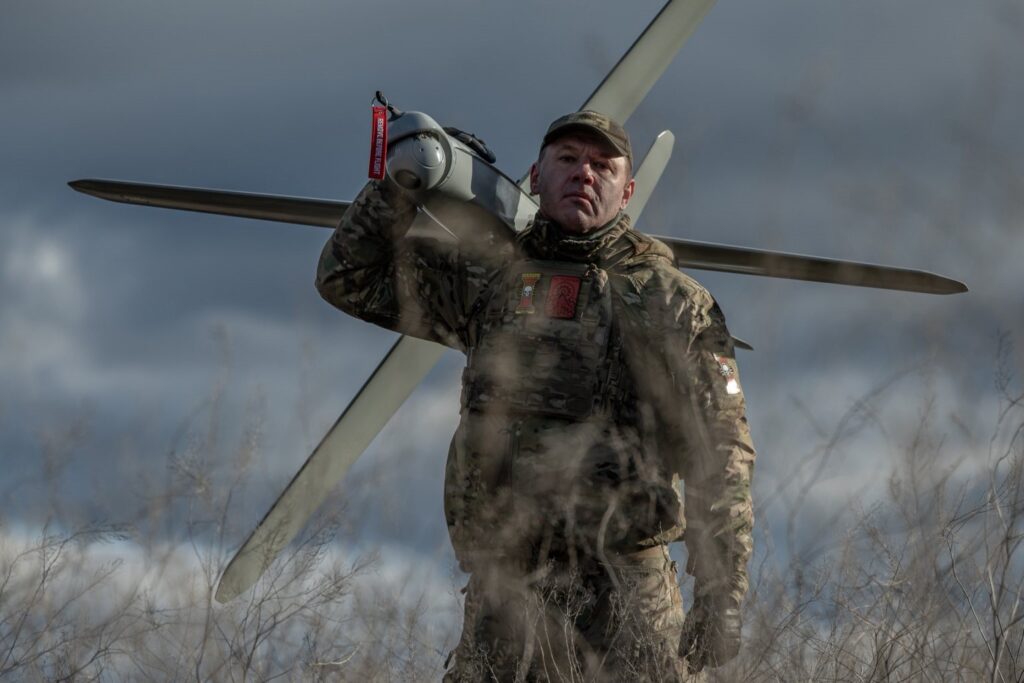
Ukraine Plans to Build More Drones in One Year Than U.S. Has Ever Made
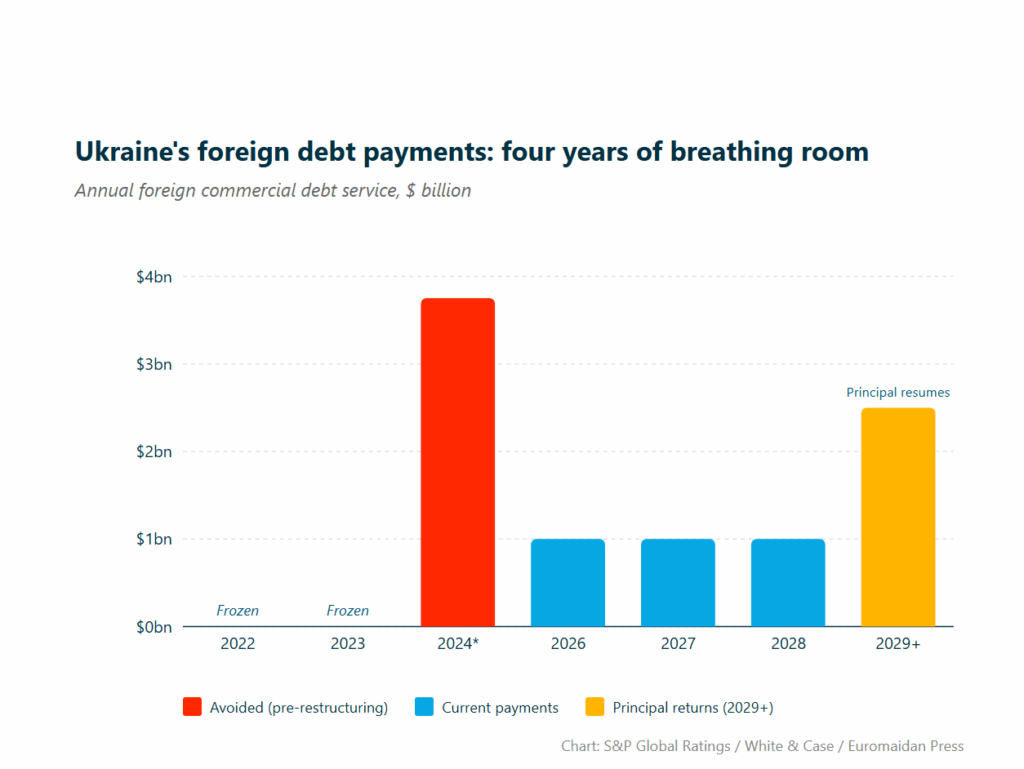
Ukraine's Credit Rating Improves Despite Ongoing War

Kremlin: Ukraine Talks "Constructive," But No Deal Yet

Russia Demands Ukraine Surrender Key Cities Before Ceasefire Deal
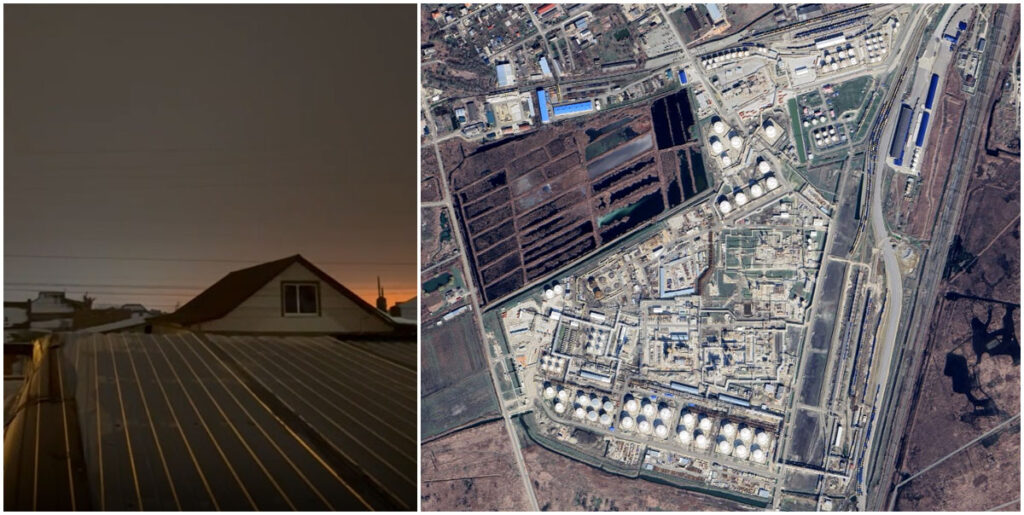
Ukraine Strikes Key Russian Oil Refinery, Moscow Blames "Debris"
Drones, Not Mud, Now Dictate Ukraine's Winter War
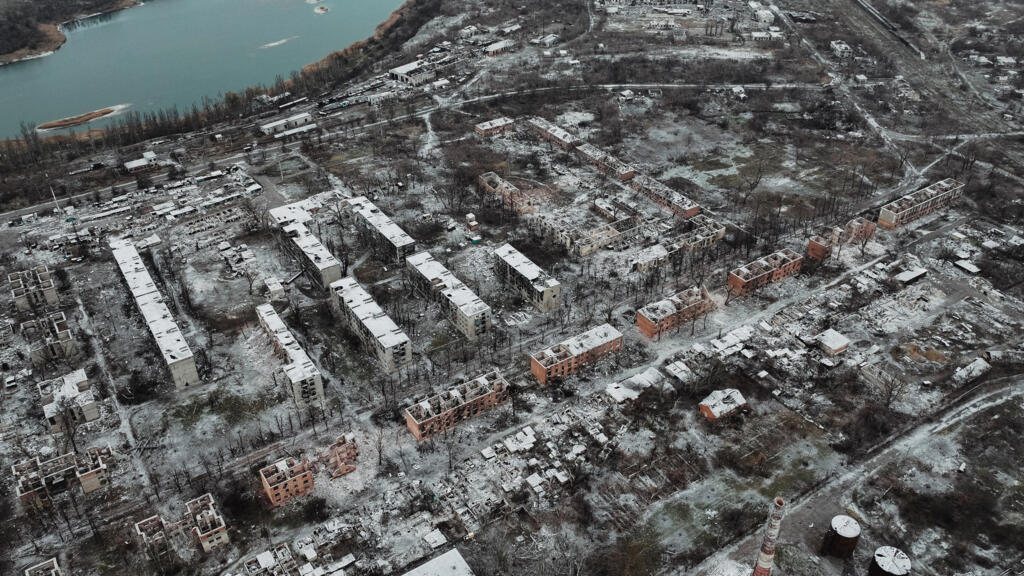
Moscow Demands Ukraine Cede Donbas to End War
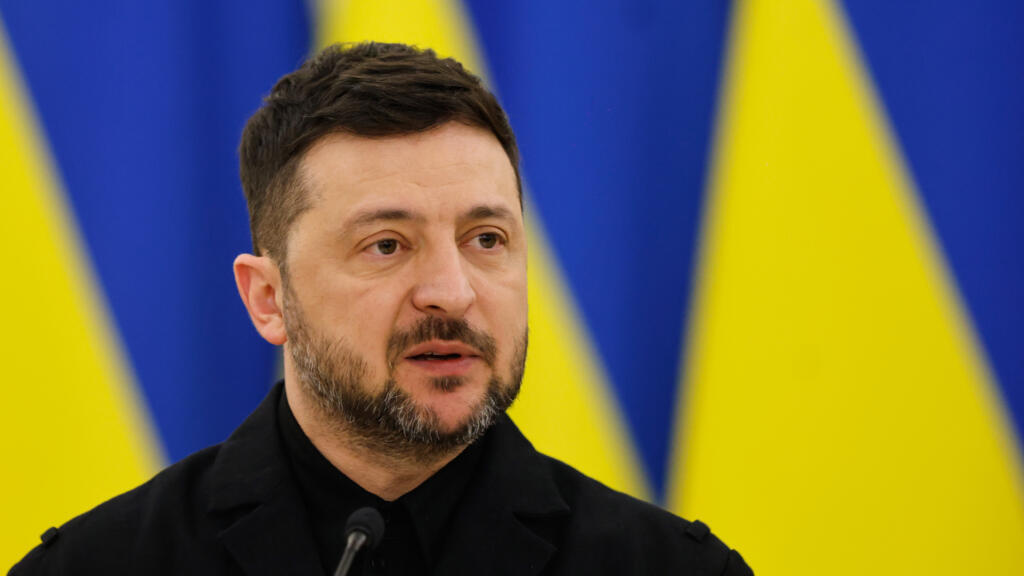
U.S.-Ukraine Security Deal "100% Ready," Says Zelensky
US-Ukraine Security Pact "100% Ready" for Signing, Zelenskyy Says
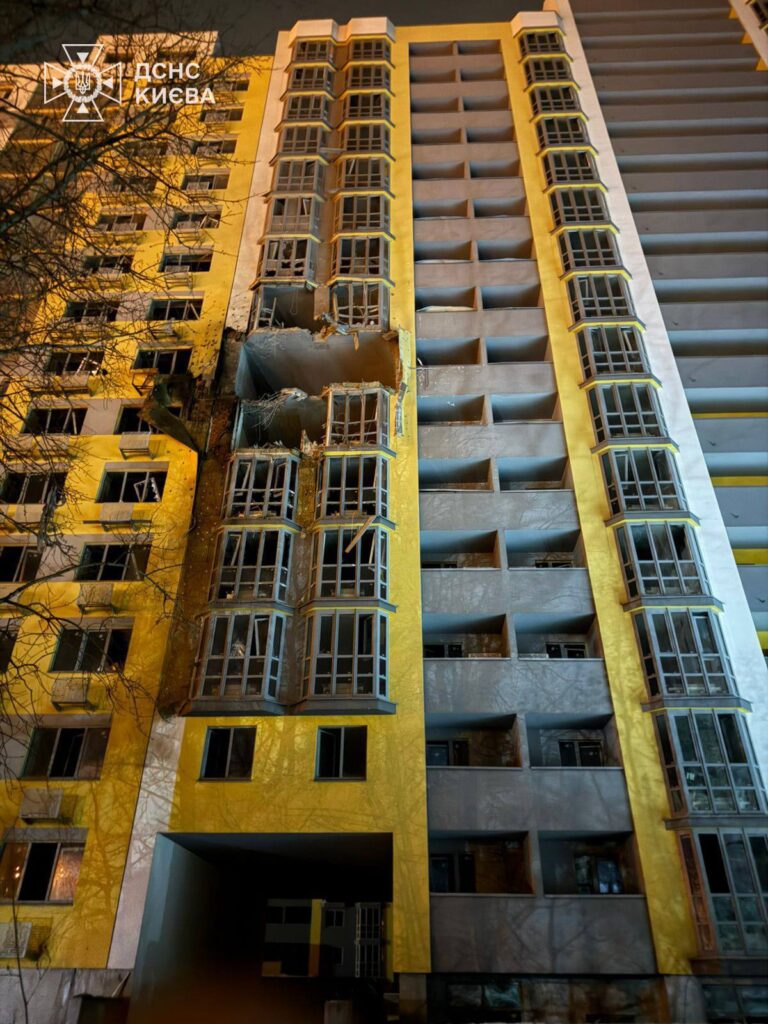
Russia Strikes Ukraine Cities as Peace Talks Open
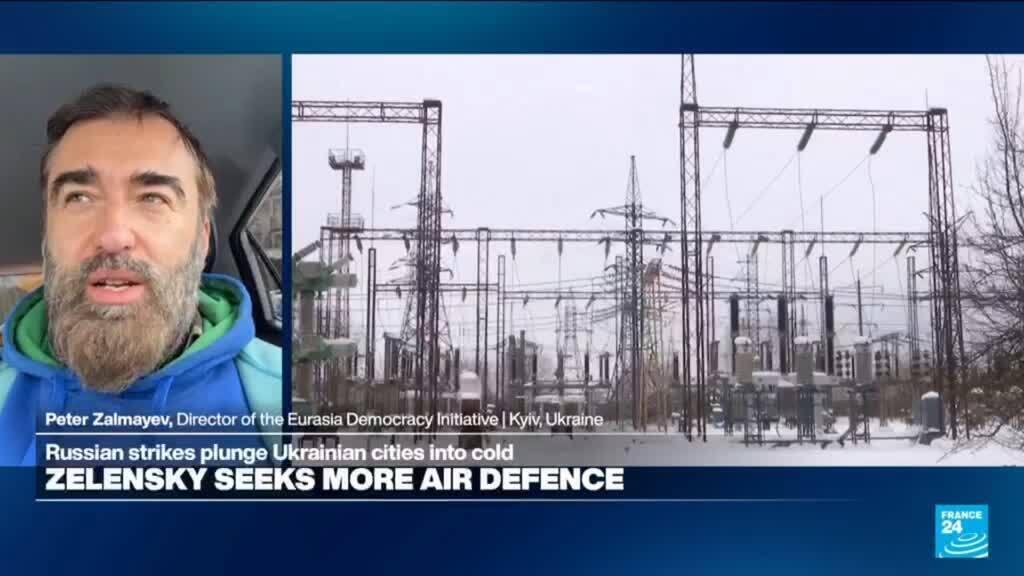
"Russia Targets Ukraine's Power Grid in Winter"
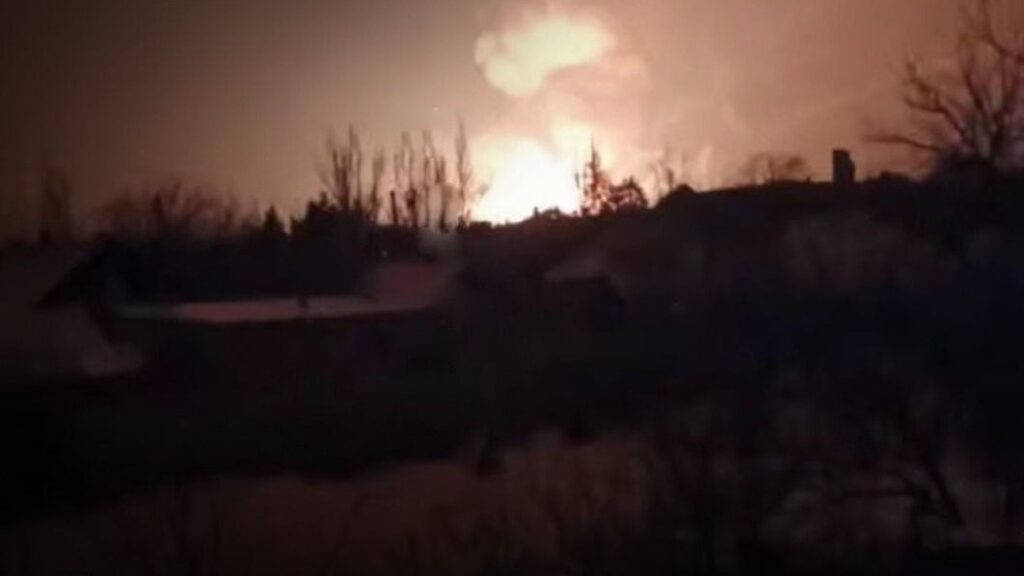
Ukraine Strikes Deep: Russian Fuel and Radar Hit in Coordinated Blows
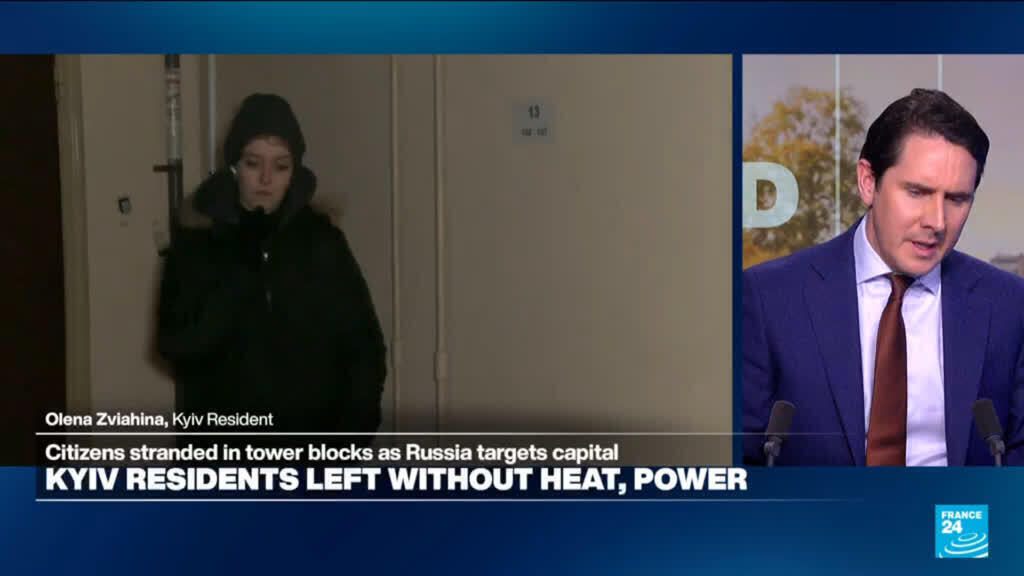
Kyiv Endures 16-Day Blackout as Peace Talks Continue
US-Ukraine Security Deal "100% Ready," Awaiting Signature