Hidden Traditions Defy Time: How 7 Cultures Fight to Keep Their Identity Alive
Hidden Traditions Defy Time: How 7 Cultures Fight to Keep Their Identity Alive From the mountains of China to the streets of Syria, communities around the world are actively preserving unique cultural practices that define their identity, often against the backdrop of modernization and conflict. In a Miao ethnic township in southwest China, an entire village recently participated in a generations-old midnight ritual to physically relocate a house. Young men smeared their faces with black soot, danced around the structure, and worked rapidly under flashing lights to complete the move before sunrise, concluding the ceremony with the firing of a hunting rifle [58670]. This act of cultural preservation finds echoes globally. In Syria, the ancient craft of embroidery is being studied as a powerful, living symbol of identity that has survived years of war. Researcher Heike Weber, presenting in Damascus, emphasized that such intangible heritage remains deeply rooted as a form of expression passed through generations, even as physical sites have been damaged [47200]. Similarly, the Circassian community in Syria has maintained its distinct language and customs for over a century since their displacement from the North Caucasus, while simultaneously integrating into the national social fabric [36001]. In North Africa, the Amazigh (Berber) people recently celebrated the start of their year 2976, nearly a thousand years ahead of the Gregorian calendar. The Yennayer celebration, marked by shared meals and traditions linking families to their land and livestock, is a growing public festival reinforcing one of the region's oldest identities [49694]. Festivals are also a key vehicle for this preservation. In George Town, Malaysia, the annual Chingay parade featured performers balancing towering flagpoles on their chins, part of a century-old tradition. The event gained added significance this year as Malaysia and Singapore have jointly applied for UNESCO Intangible Cultural Heritage status for Chingay, seeking formal recognition and protection for the art form [31985]. Meanwhile, in Ukraine, a new playlist of ancient Christmas carols, or *koliadky*, is connecting centuries-old folk chants to the present. Music scholars note these songs have long preserved language and carried messages of national identity during periods of oppression, offering a direct window into a resilient cultural tradition [32337]. Even in urban settings, new methods are emerging. In India, heritage walks are turning city streets into interactive classrooms for young people who find textbook history dull. These walks help maintain historical landmarks by generating public interest and revenue, creating a tangible link between the past and present [57341]. Miao Village Relocates at Midnight in Soot-Smeared Ritual Syrian Embroidery Survives War, Defines Identity Syria's North Caucasus Legacy: The Circassians' Enduring Identity It’s Not 2024, It’s 2976: North Africa’s Amazigh Celebrate Their New Year Malaysia's Chin-Balancing Spectacle Aims for UNESCO Glory Ukrainian Christmas Carols: Ancient Sounds of Defiance and Hope History Boring? Young Indians Are Walking Through It.
Articles in this Cluster
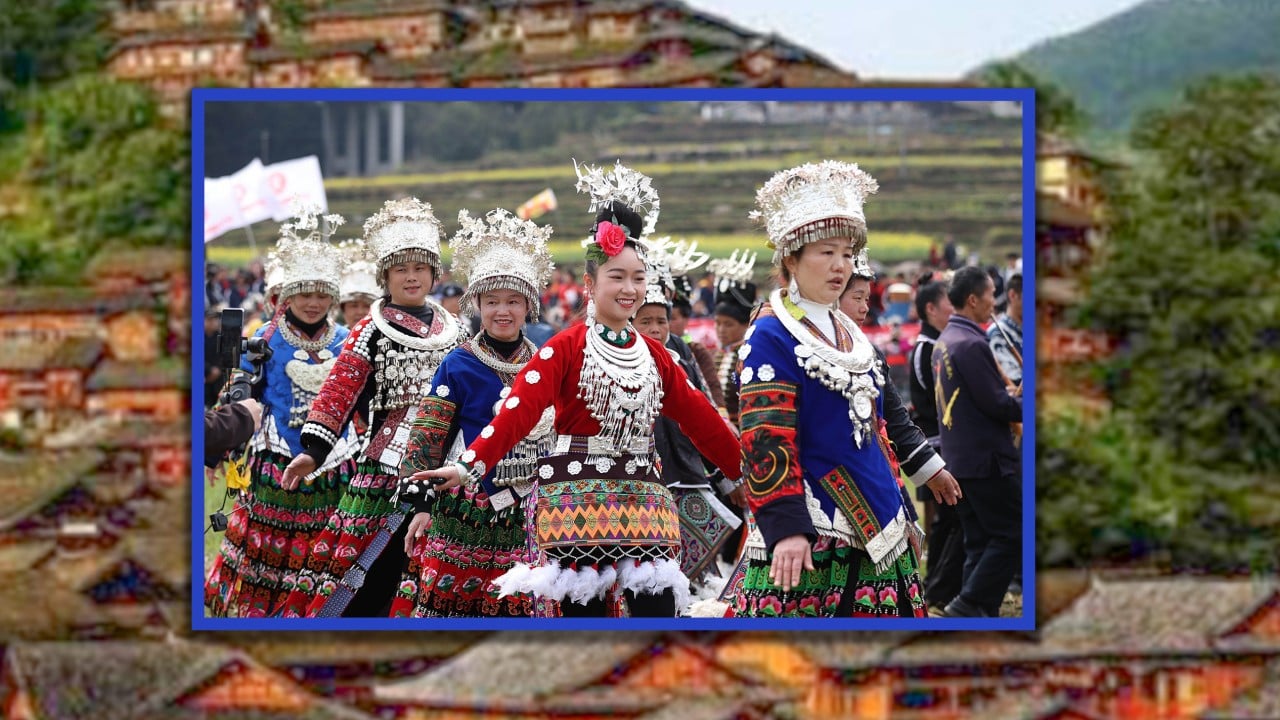
Miao Village Relocates at Midnight in Soot-Smeared Ritual

China’s Cultural Heritage May Offer an Edge in Guiding AI
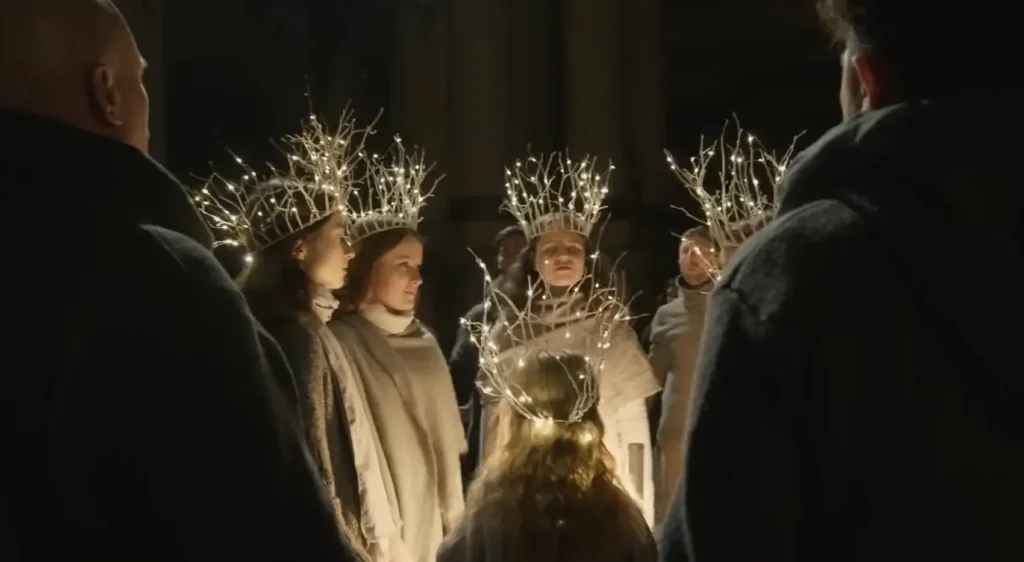
Ukrainian Christmas Carols: Ancient Sounds of Defiance and Hope
History Boring? Young Indians Are Walking Through It.

Christmas 2025: Surfing Santas, Dancing Cows, and Global Carols

Ch

Syria's North Caucasus Legacy: The Circassians' Enduring Identity
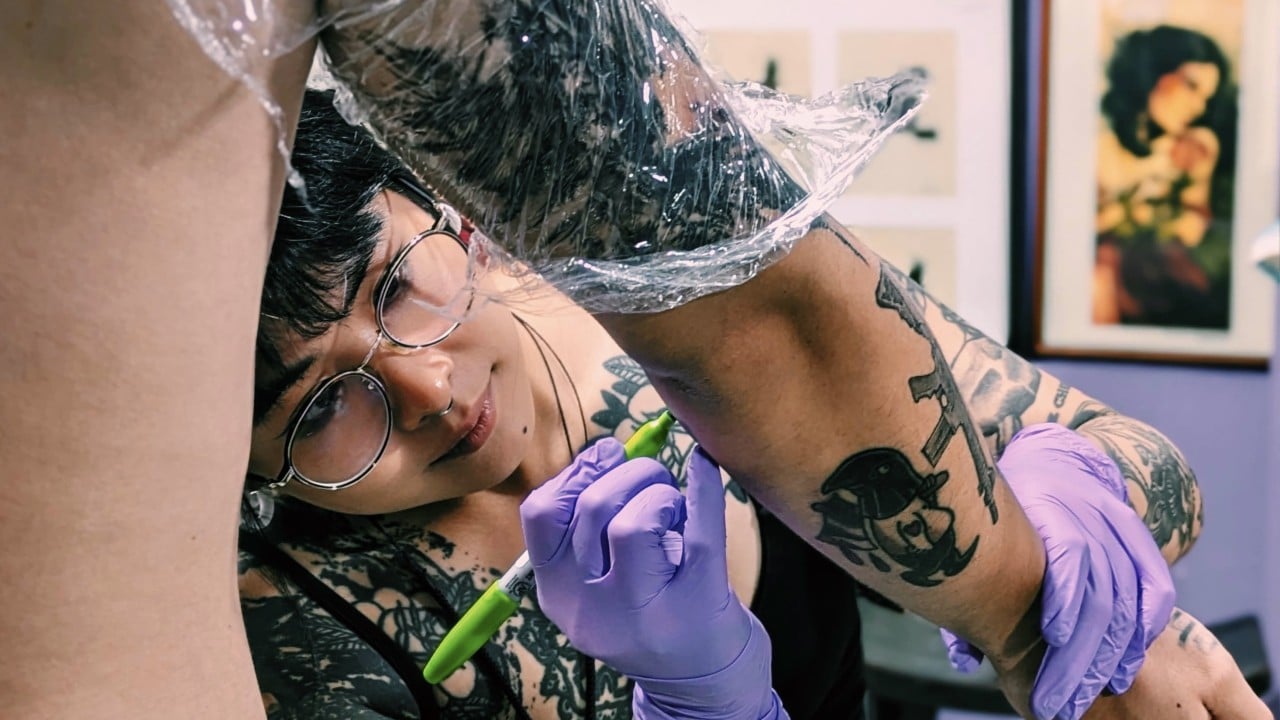
Hidden Stories: From Tattoo Needles to Viral Buttons

Syrian Embroidery Survives War, Defines Identity
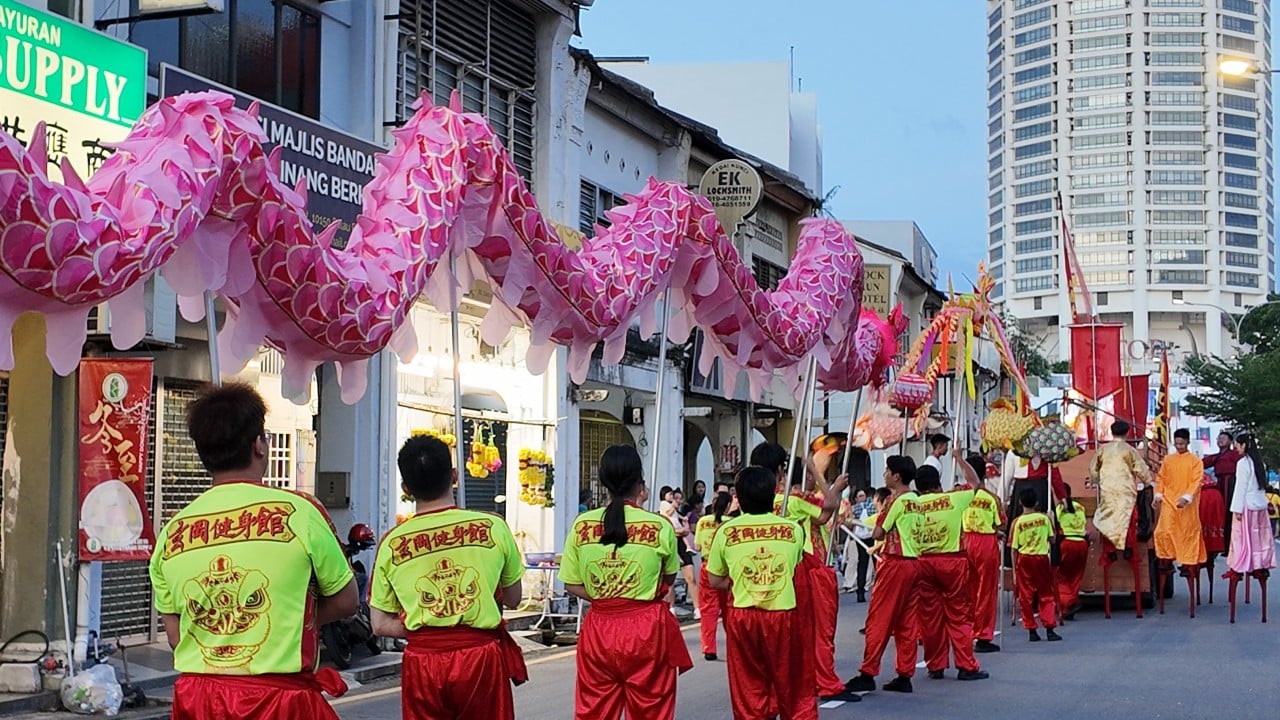
Malaysia's Chin-Balancing Spectacle Aims for UNESCO Glory
From the Ring to the Gallery: Pro Wrestling Gets a Museum Show

Title: It’s Not 2024, It’s 2976: North Africa’s Amazigh Celebrate Their New Year
Forget Turkey Candles: The Wild Animal's Guide to Perfect Gifts

Handwritten Christmas Cards Defy Digital Age in Hong Kong