Governments Race to Rein In AI Deepfakes as Elections Face Unprecedented Threat
Governments Race to Rein In AI Deepfakes as Elections Face Unprecedented Threat A global wave of new laws and regulations is targeting the use of artificial intelligence (AI) to create deceptive political content, as experts warn that AI-generated deepfakes pose a severe and immediate danger to democratic elections worldwide. The push follows high-profile incidents where AI was used to fabricate events. In Nepal, a deepfake video showing three top political figures forming an alliance spread online ahead of national elections, sparking rumors of a major political shift that never occurred [57866]. The forged clip is part of a growing trend that analysts say threatens to mislead voters and distort public debate. In response, nations are enacting some of the world's first AI-specific safety laws. South Korea has passed comprehensive legislation that places direct legal responsibility on AI developers and service providers to prevent harmful content, including deepfake videos and AI-driven misinformation [55923]. The law mandates that companies implement safeguards and reporting systems to combat digital forgery. Similarly, India has introduced new rules requiring technology companies to identify and remove deepfakes from their platforms [12872]. These regulations are part of a broader global effort to control AI-generated misinformation, though critics note the technical and social challenges of enforcement. The urgency is underscored by stark warnings from a consortium of international experts, including Nobel Peace Prize winner Maria Ressa. They caution that "AI bot swarms"—networks of AI agents impersonating humans—could be deployed at scale to infest social media and sabotage the 2028 U.S. presidential election, representing a major new threat to democratic processes [56357]. The core challenge lies in the technology's ability to create highly realistic but entirely fake videos, audio, or images that can falsely depict people saying or doing things they never did [12872]. Without clear labels or public awareness, voters may struggle to distinguish fact from AI-generated fiction, making media literacy campaigns a new frontline in defending elections [57866]. Fake Leaders, Real Fear: AI Deepfakes Target Nepal Election AI Bot Swarms Could Sabotage 2028 U.S. Election, Experts Warn India Proposes New Rules to Combat Deepfake Threat World's First AI Safety Law Enacted, Targets Deepfakes and Misinformation
Articles in this Cluster
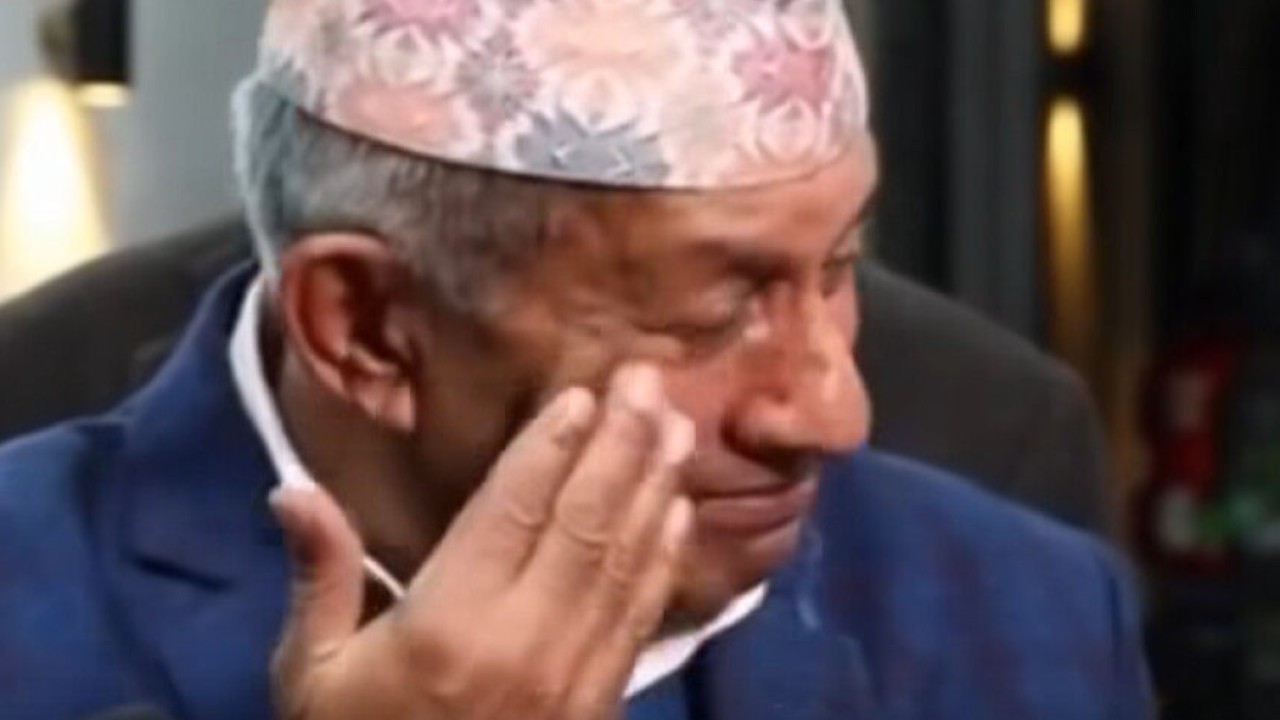
Fake Leaders, Real Fear: AI Deepfakes Target Nepal Election

Ch
Life in 2035: A Glimpse into the AI-Dominated Era

SenseTime Bets on Robot AI to Regain Lead
AI Unlocks a New Era of Communication with Whales

AI "World Models" Could Upend the $190 Billion Gaming Industry
Rwanda Tests AI Doctors in 50+ Clinics
AI Bot Swarms Could Sabotage 2028 U.S. Election, Experts Warn

India Proposes New Rules to Combat Deepfake Threat

World's First AI Safety Law Enacted, Targets Deepfakes and Misinformation

AI "Hallucinates" Its Way to Dutch Word of the Year
AI as the New God? Why People Seek Comfort in Machines
Google Bets on AI's Future with $35 Million Sakana AI Investment