U.S. and Global Powers Scramble for Africa's Critical Minerals as Continent Seeks Better Deals
U.S. and Global Powers Scramble for Africa's Critical Minerals as Continent Seeks Better Deals A high-stakes global competition is intensifying over Africa's vast reserves of critical minerals, with the United States, European Union, China, and Russia all vying for partnerships. African nations, leveraging their newfound strategic importance, are pushing to secure more favorable terms that include local processing and infrastructure development [23161][11355][44946]. The race centers on minerals like cobalt, lithium, and copper, which are essential for batteries, electric vehicles, and renewable energy technology. U.S. officials are actively pursuing new investment and diplomatic deals in central African nations, including Tanzania, Rwanda, and the Democratic Republic of Congo (DRC), aiming to build supply chains less dependent on China [23161]. This push was a central topic at a recent European Union-Africa summit in Angola, where leaders discussed strengthening trade ties amid growing global competition for the continent's resources and alliances [11355]. Analysts note that many African governments are deliberately pursuing a strategy of "multi-alignment," engaging with diverse global powers to maximize their own development and bargaining power [35302][44946]. African leaders are using this rivalry to negotiate for benefits beyond simple resource extraction. Demands now routinely include building local processing plants, developing infrastructure, and forging stronger economic partnerships [23161][21138]. Zambia, for instance, is carefully engaging China, the EU, and the U.S. to fund its development, particularly in its copper and cobalt sectors, while striving to protect its policy independence [21138]. The continent is simultaneously fighting to control its own economic narrative, shifting the global focus from crisis and poverty to one of potential and opportunity. Business and political leaders argue that changing this perception is essential to attracting fairer partnerships and investment [23513]. This geopolitical maneuvering occurs as Africa prepares for a pivotal year of elections in 2026, which will test political stability across numerous nations [57946]. Meanwhile, ongoing conflicts in regions like Sudan and the Sahel continue to pose significant security challenges [40081][34040]. U.S. Races for Africa's Critical Minerals EU-Africa Summit Focuses on Trade and Minerals Amid Global Tensions African Nations Pivot from West to Russia and China Amid Economic Strain Africa Gains Global Ground Amid U.S. Turmoil Zambia Navigates Global Competition for Development and Sovereignty Africa Fights to Control Its Own Story
Articles in this Cluster
Saudi Arabia Seeks New Defense Pacts with Somalia, Egypt, Turkey
EU-Africa Summit Focuses on Trade and Minerals Amid Global Tensions
Global Order Shifts as Middle Powers Face "Graduation Dilemma"

Libya Inks Deals to Revive Oil and Gas Sector
Africa Gains Global Ground Amid U.S. Turmoil
Africa's 2026 Vote: A Democratic Turning Point?
African Nations Pivot from West to Russia and China Amid Economic Strain
Three African Conflicts Among World's "Top 10 to Watch"
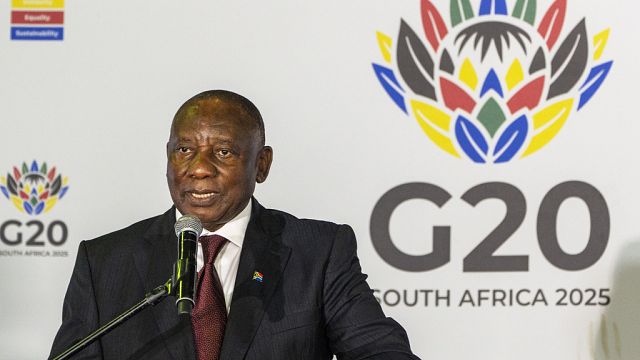
Trump's Legal Focus on South Africa, Nigeria Highlights Global Power Struggle
South Africa's Foreign Policy Split: Old Friends vs. Economic Reality
Zambia Navigates Global Competition for Development and Sovereignty
Africa's Population Boom: Can Its Economies Keep Up?
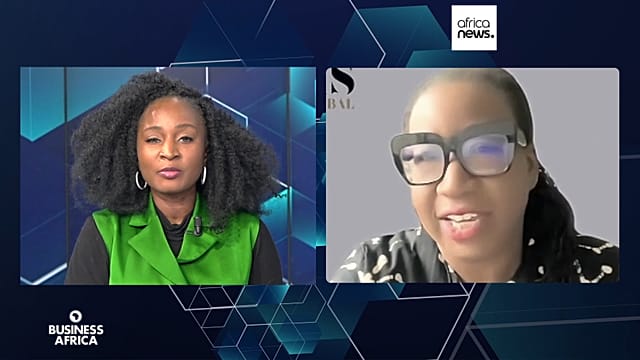
Africa Fights to Control Its Own Story
U.S. Races for Africa's Critical Minerals
