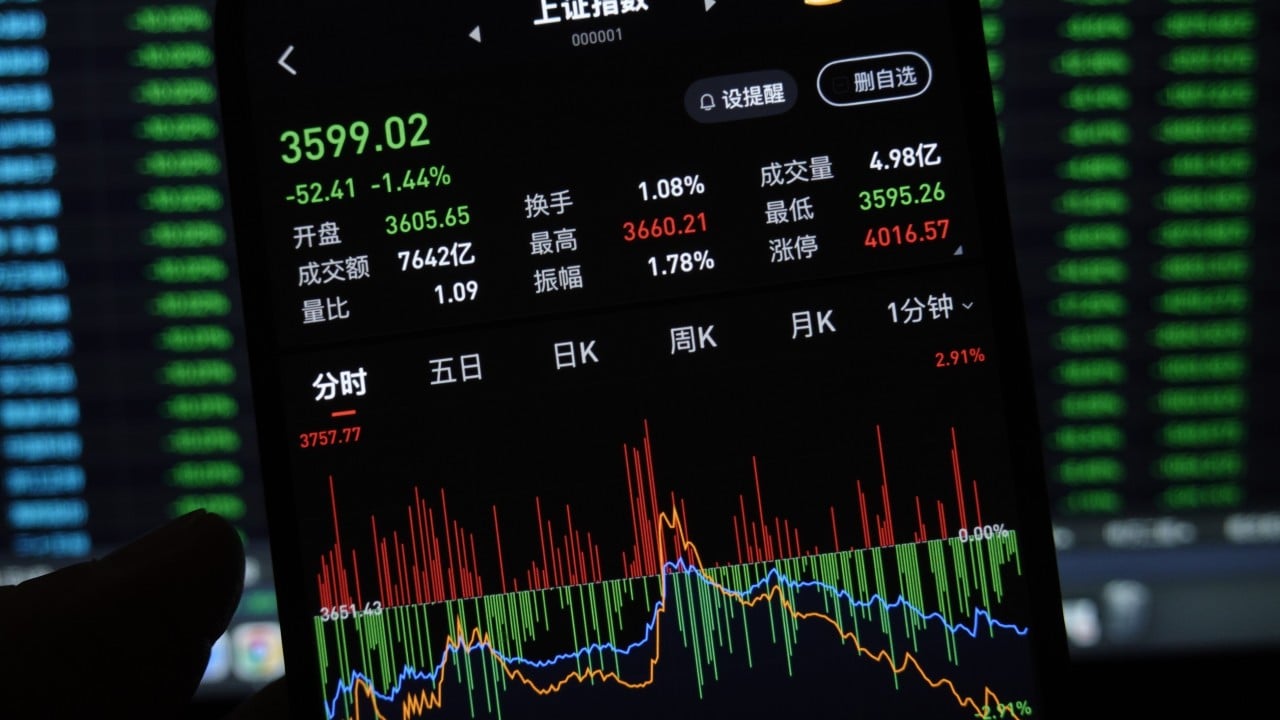
Beijing Pumps 541 Billion Yuan Into Banks to Stop Stock Market Slide
China's central bank injected 541 billion yuan in overnight cash and regulators summoned banks to a crisis meeting as authorities moved to halt a deepening stock market slump.
Chinese authorities launched a coordinated push on Monday to stabilize the country's sliding stock market, with the central bank injecting hundreds of billions of yuan in short-term cash and financial regulators calling banks and securities firms to a crisis meeting in Beijing [277313][276799]. The People's Bank of China (PBOC) conducted 541 billion yuan (about 74 billion U.S. dollars) in overnight reverse repurchase agreements at an interest rate of 1.4 percent, a tool that temporarily adds cash to the banking system [276874]. The measures also include lower rates for share buy-back loans and eased restrictions on leveraged trading, announced after a joint meeting of the PBOC, the China Securities Regulatory Commission (CSRC) and other financial regulators [277313]. Officials signaled a clear determination to defend the equity market following a recent sell-off [277313]. The renewed effort comes as investors have grown heavily dependent on state-backed "national team" funds to keep stocks afloat; when that support failed to appear, shares fell sharply in late trading and investors rushed to sell [272109]. As local stocks continue to slide, Chinese investors have been moving money into exchange-traded funds (ETFs) tracking longer-dated government bonds, seeking shelter in a rallying debt market [274558].