China Pours Billions Into Chips and Calms Markets After Tech Rout
Beijing moves to steady investors and boost domestic chip production as Japan and Hong Kong push their own market reforms.
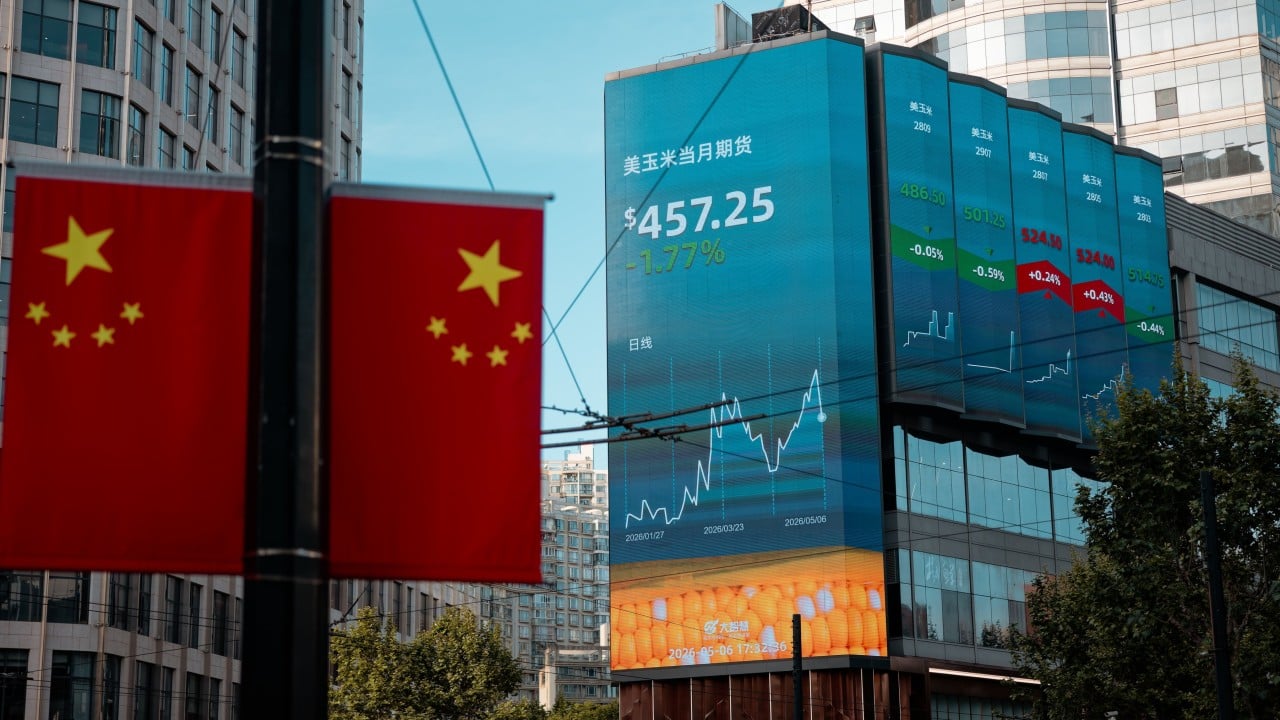
China's top securities regulator has signaled new support for the domestic A-share market following a sharp sell-off in technology shares driven by concerns over US sanctions [260236]. The China Securities Regulatory Commission (CSRC) held a symposium in Beijing on Saturday, bringing together executives from listed companies, experts from securities firms, and fund managers to discuss the country's capital markets and shore up investor sentiment [260236].
At the same time, Chinese state funds are pouring billions of yuan into the parent company of Hua Hong Grace Semiconductor and a new factory in Wuxi, in a push to reduce China's reliance on foreign technology for mature-node chips — older, standard semiconductors used in cars, appliances, and other everyday electronics [258188]. The funding targets Hua Hong's Shanghai-based parent company and a fabrication plant, or fab, a factory that manufactures semiconductor chips [258188]. The move shows how government-coordinated financing is backing domestic chip factories as Washington tightens restrictions on China's access to advanced chip technology [258188].
Elsewhere in Asia, Hong Kong's securities watchdog is pushing new reforms to boost market liquidity as emerging markets face capital outflow pressure, with a rally in US equities and a stronger dollar pulling funds away [258181]. Julia Leung, CEO of the Securities and Futures Commission (SFC), announced the measures on Friday at a conference organized by the Asian Securities & Financial Markets Association (Asifma) [258181]. The reforms include extended trading hours, shorter settlement cycles, and cross-market initiatives [258181].
In Japan, Prime Minister Sanae Takaichi is working to distance herself from the "reflationist" label — a term describing a policymaker who favors heavy government spending and easy money to push prices higher [259306]. The label now carries risks, as investors worry that loose fiscal and monetary policy could weaken the yen and unsettle Japanese bonds, while Washington has pressed Tokyo to avoid steps that could distort trade and currency markets [259306]. Takaichi has not announced a formal policy change, instead adjusting her public message to signal that fiscal discipline and market stability now rank alongside growth [259306]. The shift matters well beyond Japan, whose economy is among the world's largest and whose currency and bonds are held by investors across the globe [259306].