Google and Intel Wipe Out $630 Billion as AI Spending Fears Slam Tech Stocks
A massive selloff in technology stocks erased hundreds of billions in market value this week, as investors questioned whether the artificial intelligence spending boom can justify its costs. Alphabet and Intel led the plunge, dragging down markets from Wall Street to Taiwan.
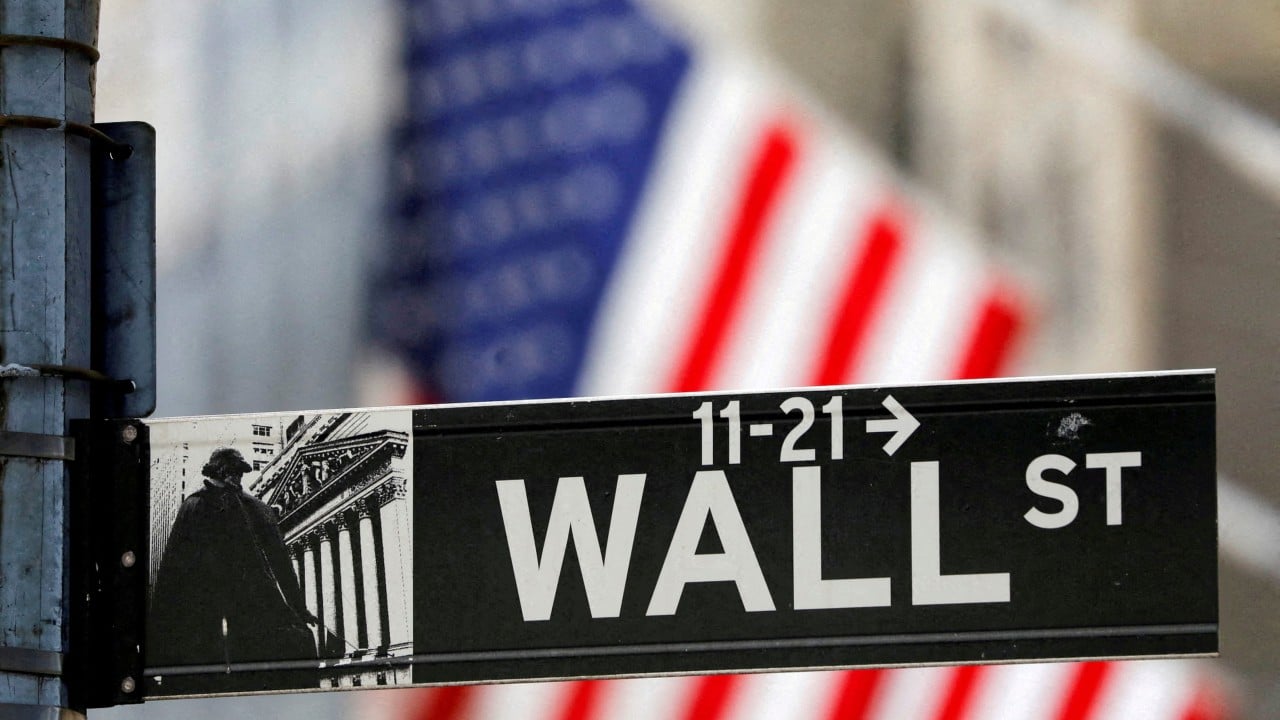
Wall Street's excitement over artificial intelligence (AI) has collided with hard financial reality, triggering a technology stock selloff that wiped out more than $630 billion in market value at two of the sector's biggest names [274900].
Alphabet, Google's parent company, lost nearly 13% of its stock value on Wednesday — the worst single-day drop in its history — erasing about $500 billion in market value [274425]. The sell-off came after the company reported negative free cash flow that was larger than analysts had expected, meaning it spent more than it earned [274425]. Alphabet also kept its spending guidance for the year unchanged, signaling that costs will remain high [274425].
The company's quarterly results disappointed investors, raising fresh concerns about its AI investments [274466]. The miss included weaker-than-expected revenue from its core business, and it marked the first real sign that AI is taking a bite out of search [274427].
Intel suffered an even sharper blow. The chipmaker's stock plunged more than 20% after it warned that the personal computer slowdown will stretch into 2027, a longer downturn than previously expected [275282]. The warning wiped billions of dollars from Intel's market value in a single trading session, marking one of the company's worst one-day losses in recent years [275282]. Intel has seen $130 billion evaporate [274900].
The chipmaker blamed weak demand for personal computers (PCs), as consumers and businesses hold off on buying new machines [275282]. The company said the slump is now expected to last longer than it had forecast, signaling deeper trouble for the broader chip industry, which relies heavily on PC sales [275282].
The shockwave spread across the technology sector and around the world. Nvidia, Amazon, SpaceX, and key chipmakers Samsung and SK Hynix were dragged down [274900]. In Asia, Taiwan's stock exchange fell 5% and South Korea's dropped 3.5% [274900]. Taiwan's stock market nearly entered a technical correction — a drop of 10% or more from a recent high — as the global selloff hit one of the world's most AI-exposed markets particularly hard [274544].
The broader market also felt the pain. The S&P 500 fell 1.8%, its worst day since June, and recorded a third straight losing week [275300]. Weakness in technology stocks pulled the Nasdaq composite down 2.9%, leading the market's decline [275300]. The Dow Jones Industrial Average dropped 572 points, or 1.1% [275300].
Investor concerns extend beyond individual company results. A report that AI company Anthropic could receive a junk credit rating after its initial public offering (IPO) added to worries that Big Tech is borrowing heavily to fund AI [275186]. A junk rating means a bond is considered high-risk for investors, and the report intensified questions about how AI companies will repay the money they are raising [275186].
Big Tech companies are spending billions of dollars on AI infrastructure, but rising debt, negative cash flow, and growing investor doubt are now raising questions about whether this spending boom can last [275432].
The concerns have reached other markets as well. Dongshan Precision, a supplier of servers used in AI systems, did not meet expectations in its Hong Kong stock market debut, with shares trading below the level investors had hoped for [273959]. The lackluster opening reflects cautious sentiment toward AI-related stocks, even as demand for AI hardware continues to grow [273959].
Investors are now watching whether AI spending will produce enough profit to justify the debt being taken on to fund it [275186].