Tshwane Admits It Poisoned Residents: 408 Sick After Three Weeks of Unchlorinated Sewage Water
The City of Tshwane has admitted negligence after supplying unchlorinated water from a sewage-polluted river to residents for three weeks, leaving more than 400 people ill. The scandal comes as an aerial survey reveals widespread sewage pollution choking the rivers feeding Hartbeespoort Dam, and criminal charges are filed against another Gauteng municipality over pollution threatening Pretoria's water supply.
The City of Tshwane has admitted fault after supplying unchlorinated water to residents for three weeks without warning — water drawn from the sewage-polluted Bronkhorstspruit River — leaving 408 people sick [267013].
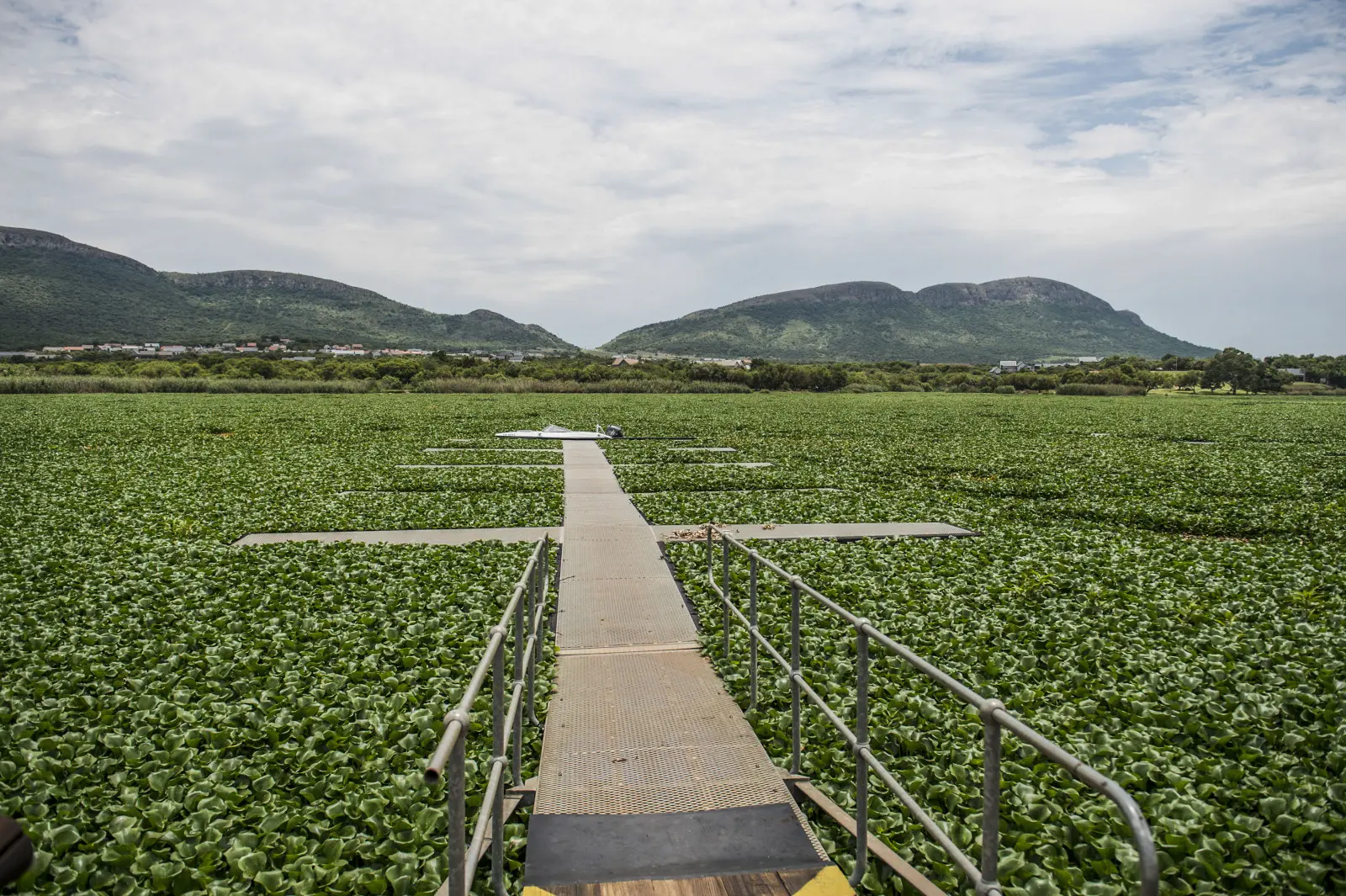
The admission comes amid mounting evidence of a wider water pollution crisis in Gauteng. An aerial survey led by Deputy Water and Sanitation Minister Jack Bloom has exposed severe pollution in the river systems feeding Hartbeespoort Dam, revealing extensive sewage spills, illegal dumping, and failing infrastructure choking the rivers that supply the dam [267009].
In a separate case, South African authorities have filed criminal charges against the city of Ekurhuleni and its water utility over sewage and pollution that threaten Pretoria's water supply [266230].
The Tshwane incident saw residents fall ill after consuming water that had not been chlorinated for three weeks, with the city acknowledging it failed to warn the public [267013]. The water originated from the Bronkhorstspruit River, which is polluted with sewage [267013].
The aerial survey findings compound concerns about the region's water infrastructure. The survey documented extensive sewage spills, illegal dumping, and failing infrastructure across the river systems that feed Hartbeespoort Dam [267009].
The criminal charges against Ekurhuleni and its water utility mark an escalation in accountability efforts, with authorities pursuing legal action over pollution that threatens the capital's water supply [266230].