Fuel Prices Skyrocket Worldwide: Drivers Queue for Hours as Cooking Gas Costs Surge
Millions of households and motorists across multiple countries are facing mounting fuel costs and chronic supply shortages, with drivers in Niger and Indonesia stranded in hours-long queues while families in Bangladesh grapple with soaring cooking gas prices.
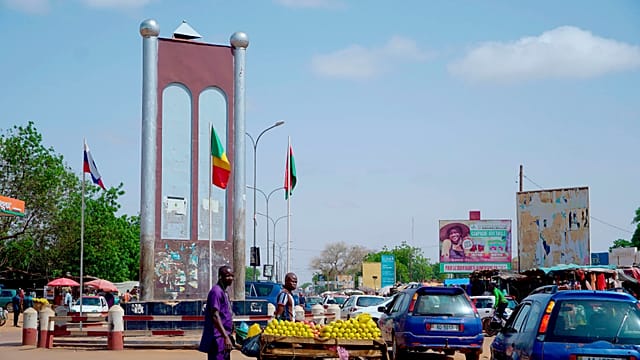
Fuel shortages have left drivers in Niger's capital, Niamey, stranded and facing long waits at filling stations, with officials unable to say when supplies will fully return to normal [1]. Motorists remain uncertain about when they will be able to fill their tanks without enduring lengthy queues [1].
In Indonesia, drivers in Bali faced hours-long queues at petrol stations after disrupted fuel deliveries left the resort island short of supply [2]. The delays triggered panic buying, with motorists rushing to fill their tanks and containers before stocks ran lower [2]. Authorities have not yet said what caused the delivery disruptions or when supplies will return to normal [2].
The shortages have prompted Indonesian Human Rights Minister Natalius Pigai to call for fair and reliable fuel distribution across the country, warning that shortages directly affect people's daily lives [3]. Pigai stressed that every region must receive adequate fuel stock, saying uneven distribution creates hardship for ordinary citizens who depend on fuel for transport, work, and essential services [3]. His remarks highlight a broader concern that access to basic necessities is a rights issue, not just a logistics problem [3]. Authorities report that supply is now recovering, though Pigai's comments suggest distribution fairness remains a key test for the government's public service commitments [3].
In Bangladesh, the government has raised cooking gas prices, sparking a public blame game over who is responsible [4]. The government says global market prices forced the increase, while opposition groups and consumers point fingers at mismanagement and taxes [4]. The new price affects millions of households that rely on liquefied petroleum gas (LPG) for daily cooking [4]. Neither side has provided firm evidence to settle the dispute, leaving families paying more as the argument over responsibility continues [4].