El Niño to cause tens of thousands of heat deaths in Africa
Africa braces for deadly El Niño heatwave as scientists warn of 50,000+ deaths
A powerful El Niño climate pattern is intensifying across Africa, bringing extreme heat, drought, and flooding that could kill tens of thousands of people. Scientists warn the continent is dangerously unprepared for the crisis.
Africa is facing a deadly climate emergency as one of the strongest El Niño events on record continues to intensify, with researchers warning it could cause 50,000 or more deaths across the continent [249604]. El Niño is a climate pattern that warms ocean surface waters in the Pacific Ocean, altering weather conditions worldwide [249154].
The new study estimates most victims will be in sub-Saharan Africa, where young children, the elderly, and outdoor workers face the highest risk [249604]. Many homes across the region lack air conditioning or cooling systems, leaving vulnerable populations exposed to dangerous temperatures [249604]. Health systems already strained by other challenges are not prepared for the surge in heat-related illnesses, researchers say [249604].
The crisis extends beyond extreme heat. In Somalia, communities that have already suffered through a year of drought and widespread hunger now face the threat of devastating floods from the same El Niño conditions [248525]. Jan Egeland, head of the Norwegian Refugee Council, warned that millions of people going hungry could soon face additional catastrophe [248525].
Lesotho is also preparing for severe heat and drought as El Niño strengthens, with officials warning that rising temperatures and low rainfall could devastate crops and livestock [249154]. The country is taking steps to protect food and water supplies, but the challenges are mounting [249154].
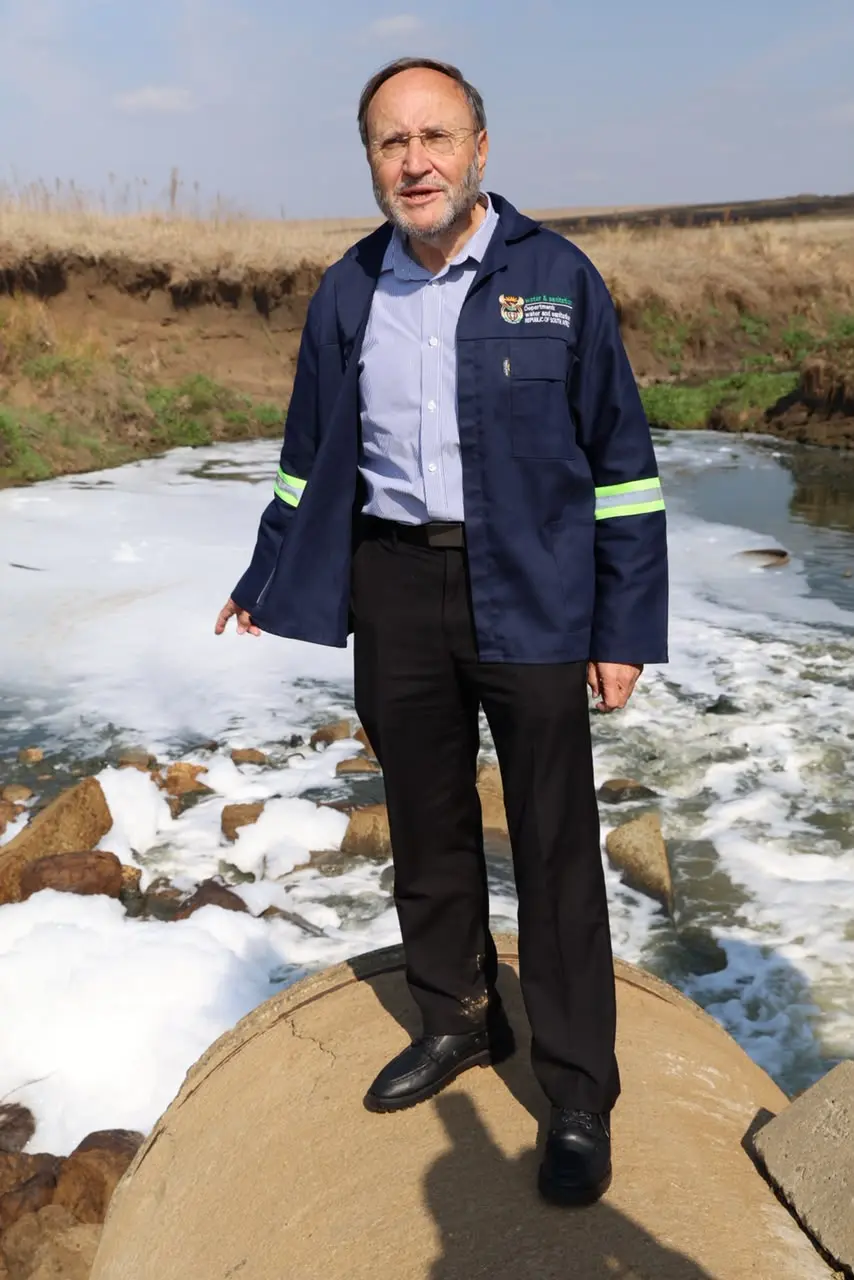
In South Africa, the town of Ermelo in Mpumalanga province could run out of drinking water within months. Severe pollution from mining and sewage, combined with aging infrastructure and expected El Niño drought conditions, is pushing the town toward Day Zero — the point when taps run dry [249587].
Researchers are urging governments to act immediately. Recommended measures include early warning systems, cooling centers, and public health campaigns to protect vulnerable populations [249604]. The study adds to growing evidence that climate change is disproportionately harming Africa, a continent that produces few greenhouse gases but suffers the most from its effects [249604].
El Niño conditions are expected to last into next year, and deaths could rise further if temperatures continue climbing [249604].