Trump’s Board of Peace Wants $2.45 Billion to Start Rebuilding Gaza — But the Ceasefire It’s Meant to Support Is Already Falling Apart
The US-backed Board of Peace has proposed a $2.45 billion, six-month plan to kickstart reconstruction in Gaza, even as the ceasefire it depends on struggles to hold.
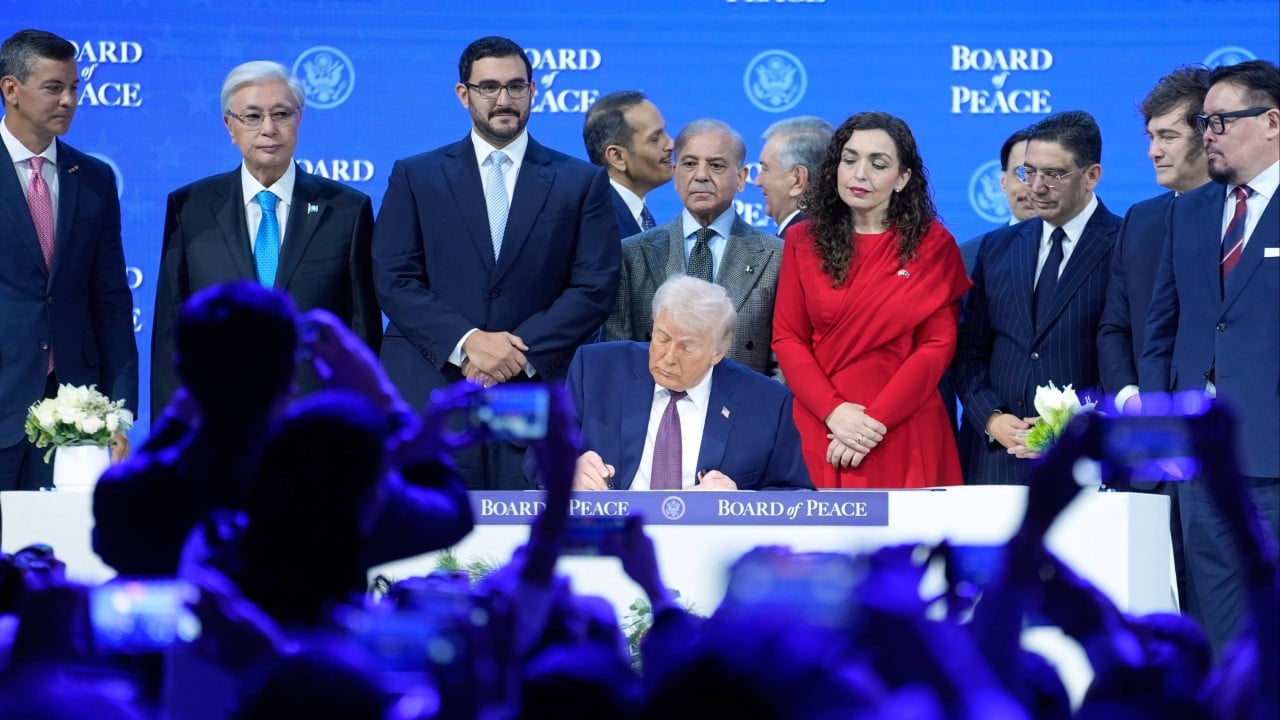
The US-backed Board of Peace has proposed a $2.45 billion plan to begin reconstruction and governance in Gaza, according to board announcements. The six-month blueprint covers 66 projects in infrastructure, education, and health, and is meant to support President Donald Trump’s 20-point plan to end the conflict [248363]. The proposal was presented at a board meeting, where governors acknowledged that major obstacles remain before any of the projects can move forward [248363].
The board said Gaza needs about $35.2 billion for full, medium-term reconstruction — meaning the $2.45 billion proposal covers only a small fraction of the total damage [248586]. The plan reportedly funds temporary housing, rubble removal, hospital repairs, and economic recovery, and includes a multinational security force [247949]. A report did not say when the plan would be released [247949].
Trump’s ceasefire plan for Gaza has largely stalled since an agreement was reached almost a year ago [248586]. The Board of Peace’s proposal comes as that ceasefire struggles to hold, raising questions about whether reconstruction can proceed without a durable political agreement [248363][248586].
The reconstruction push unfolds alongside other developments related to Gaza. A shareholder lawsuit is seeking to force The New York Times to release internal records about its editorial standards, fact-checking, and coverage of the Gaza war [248464]. Separately, the International Peace Bureau announced its candidates for the 2026 Seán MacBride Peace Prize, shortlisting Francesca Albanese, the UN Special Rapporteur for Palestine, along with the Freedom Flotilla Coalition and the Global Sumud Flotilla — groups known for sea missions challenging the blockade of Gaza [247380].
Palestinian factions, meanwhile, met in Cairo and announced a joint position, agreeing to keep coordinating on legislative elections, end political division, and rebuild the Palestine Liberation Organization (PLO) on a democratic and inclusive basis [247383].