Protect 30% of Earth by 2030? Report Warns ‘Paper Parks’ Are Failing Nature
A new report warns that many of the world’s protected areas exist only on paper, offering little real protection for wildlife. Meanwhile, Spain moves to ban salmon fishing as the species faces extinction, and scientists call for protected zones designed specifically for insects.
The world can still meet its goal of protecting 30 percent of land and sea by 2030, but a new report warns of a wide gap between promises and real protection [1]. Many protected areas exist only on paper — known as “paper parks” — with legal status but little real enforcement [1]. “Right now, it can be more financially profitable to ignore the needs of species and nature,” said Maano Aunapuu, a unit head at the Swedish Environmental Protection Agency [1]. The report calls for stronger action to turn pledges into real protection [1].
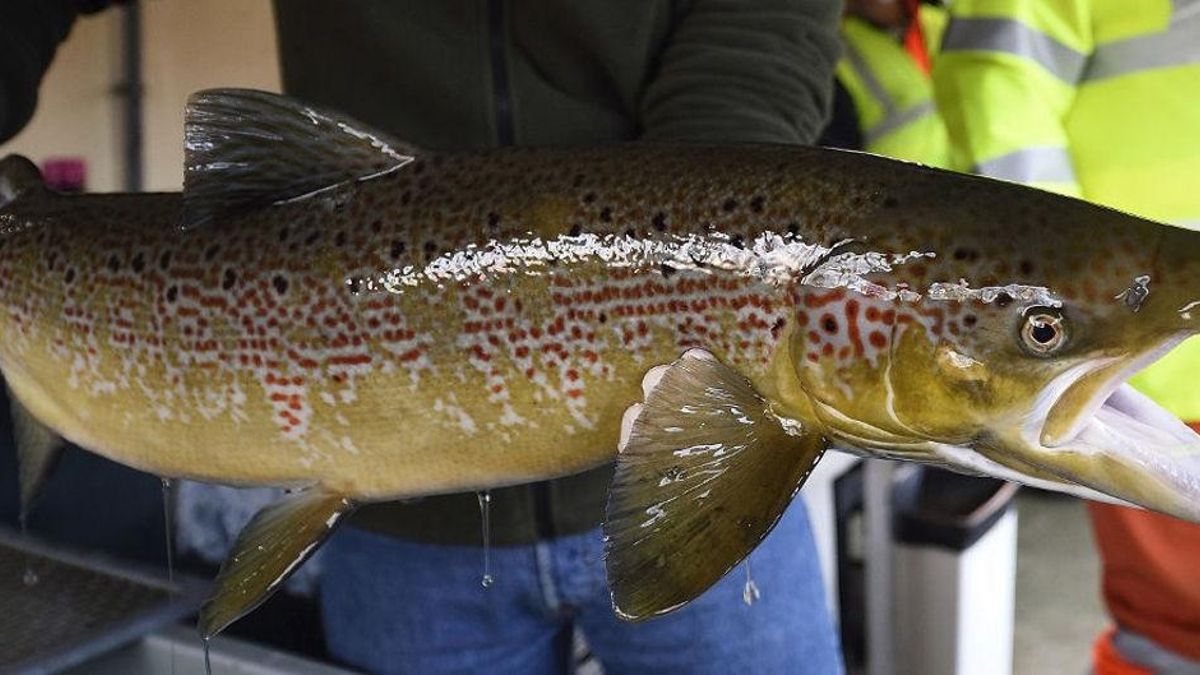
In Spain, a scientific committee has ruled in favor of classifying the Atlantic salmon as an endangered species, a decision that could lead to a nationwide ban on salmon fishing [2]. The committee advises the Committee on Fauna and Flora, a body that brings together Spain’s central government and regional authorities on wildlife conservation [2]. It found that the salmon (Salmo salar) meets the criteria for “endangered” status [2].
In Spain, salmon are found only in Galicia, Asturias, Cantabria, the Basque Country and Navarra [2]. Listing the species in the Spanish Catalogue of Threatened Species would ban fishing and require measures to protect the fish and its habitat [2]. The government requested the report in April after the conservation group Saxifraga formally asked the Ministry for Ecological Transition to list the species as “endangered” across Spain [2].
Saxifraga argued the salmon meets at least two conditions set out in the royal decree that governs the Spanish Catalogue of Threatened Species [2]. First, the salmon has disappeared from 50 percent of the rivers where it once lived over the past 30 years [2]. Second, its populations in Spain have fallen by 70 percent over three generations [2]. The Scientific Committee confirmed the scientific validity of the proposal and agreed that both criteria are met, according to sources at the Ministry for Ecological Transition [2].
The next step is to inform the regional governments through the Committee on Fauna and Flora, where the proposal will be debated [2]. The scientific report comes after the worst salmon fishing season on record [2]. Asturias recorded 108 catches, down from 6,893 in 1969 [2]. Cantabria recorded just three [2]. These two regions are Spain’s main salmon fishing areas and the only ones that allowed catches this year [2].
Scientists are also calling for a new kind of conservation: protected areas designed specifically for insects, which are disappearing at an alarming rate worldwide [3]. Traditional nature reserves are created mainly to protect large animals like tigers, elephants, and pandas, but these areas often fail to safeguard the small creatures that keep ecosystems running [3]. Insects pollinate crops, break down waste, and serve as food for countless animals [3]. Without them, food supplies and entire ecosystems would collapse [3].
Researchers argue that insects need their own protected zones — places managed with their specific needs in mind, such as native plants, undisturbed soil, and safe breeding sites [3]. The proposal faces challenges [3]. Insects are tiny, numerous, and often overlooked [3]. Mapping their habitats and tracking their decline requires far more funding and research than currently exists [3]. Still, scientists warn that time is running out [3]. Some studies suggest insect populations have dropped by more than 70 percent in certain regions over the past few decades [3]. Creating protected areas for insects, they say, is no longer a luxury — it is a necessity [3].