Russia’s Drones Just Killed Ukraine’s Grain Trade—90% of Storage Gone and Ports Dead
Ukraine has lost 90% of its modern commercial storage capacity and seen its grain exports collapse to a third of normal levels as Russian drones and missiles systematically destroy the country’s logistics network.
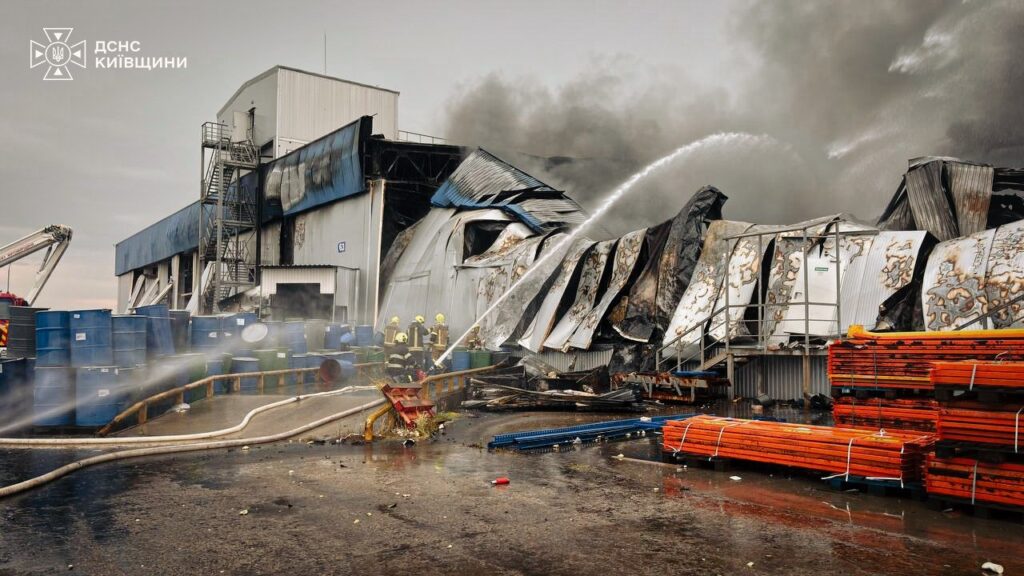
Russian forces have wiped out 90% of Ukraine’s modern commercial storage capacity, according to Agriculture Minister Taras Vysotskyi, who said the destruction has not created a famine risk but will lead to fewer product choices in stores [230702]. The attacks have hit warehouses and logistics hubs around Kyiv for a second straight day, with Russian jet-powered drones overwhelming Ukrainian air defenses [230695].
Ukraine’s farm exports have collapsed to just one-third of usual levels after Russia damaged more than 250 locomotives in the last six months, crippling the rail network that serves as a key supply route for grain [229374]. Maritime traffic through Odesa and nearby ports has been at a standstill for over a month, leaving millions of tons of grain stranded and raising concerns about global food supply chains [230720]. The Izmail district, home to Ukraine’s largest Danube River port, suffered its third strike this month, destroying five grain trucks and damaging three more at the height of the wheat harvest season [230688].
The campaign has also hit critical infrastructure beyond storage. The Zaporizhzhia nuclear power plant has been without external electricity for over a week and is running on emergency diesel generators, with only a 10-day fuel supply on site, according to the International Atomic Energy Agency [230803]. Russian glide bombs destroyed the last power plant in Kherson, leaving the southern city entirely dependent on mobile generators and vulnerable external power lines [230699]. At least 37 people were killed in a Russian attack on a military ammunition depot near Kyiv’s western suburbs, which damaged 50 residential buildings and injured 42 more, including four children [230803].
The logistics collapse is forcing retailers to rely on older warehouses, smaller hubs, and direct farm-to-store deliveries to keep shelves stocked [230702]. Ukrainian officials say the repeated strikes are designed to cripple supply chains and weaken the country’s ability to store grain, equipment, and humanitarian aid [230695].