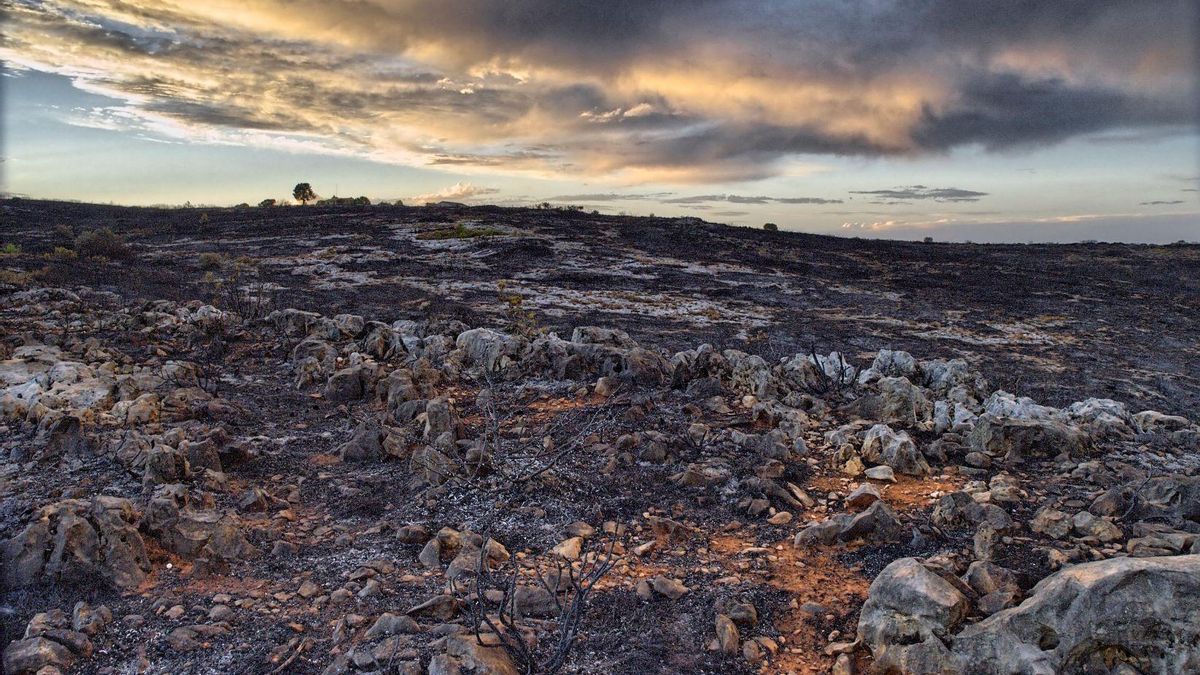
Half of Spain Is Dust, Greece Is Dying: 196 Nations Meet to Save the Soil
A UN summit in Mongolia has opened with a stark warning: more than half of Spain is now desertified, and nearly half of Greece’s population lives in affected areas. The talks aim to halt the slow death of fertile land that threatens food and water for billions.
Desertification is not the spread of sand dunes—it is the gradual destruction of soil’s ability to support life. Crops fail, water disappears, and ecosystems collapse. This week, 196 countries and the European Union have gathered in Ulaanbaatar for the United Nations Convention to Combat Desertification’s COP17 summit to coordinate action against this crisis [1][2].
The numbers are stark. More than half of Spain’s territory is now desertified, making it the most affected country in Europe. In provinces like Murcia, Albacete, Almería, and Las Palmas, degraded land covers over 80% of the area [1]. In Greece, a new European Union report reveals that nearly half of the country’s population now lives in areas affected by desertification, ranking Greece third among European nations for the share of its territory impacted [3].
Globally, desertification affects 40% of the planet’s land surface, and roughly 100 million hectares of once-healthy land become unproductive every year [2]. Scientists warn that restoring soil health is critical for food security, the livelihoods of billions, and building resilience against climate change [2].
The summit, which runs through August 28, aims to produce concrete commitments from member states on restoring degraded land and managing water resources more sustainably [4]. Delegates say restoring rangelands—which cover roughly half of Earth’s land surface—offers a powerful defense against drought, and that collective action can revive ecosystems billions of people depend on for food and water [5].
The message from Ulaanbaatar is clear: the ground we stand on is running out of time [1].