Zambia’s 14-Way Election: Hichilema Fights for Survival as Cost of Living Crisis Boils Over
Zambians head to the polls Thursday in a high-stakes presidential election where 14 candidates are battling for power, with incumbent Hakainde Hichilema facing a make-or-break second-term test amid widespread public anger over soaring living costs [218599][217468][218605].
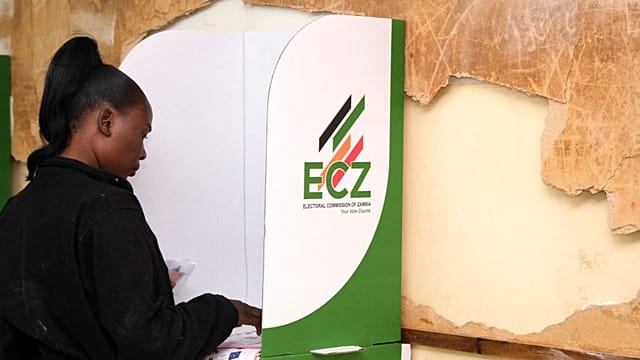
Voting began Thursday morning across the southern African nation, with millions of citizens also choosing lawmakers and local councillors in the country’s eighth general election since returning to multi-party democracy [218591][216185]. About 8 million people are registered to vote, and official results are expected by Monday [218582].
The wide field of candidates includes two former ministers and a veteran journalist, but analysts say the race remains a two-person contest between Hichilema and his main challenger, Brian Mundubile [218599][217468]. The large number of contenders could split the vote, yet observers believe the president is widely expected to win another term [217468][218605].
However, the election is unfolding against a backdrop of severe economic hardship. Many households are struggling with rising prices for basic goods and services, and economic recovery has emerged as the top concern for voters [216866][218605]. Residents of the capital, Lusaka, are pinning their hopes on Thursday’s vote to deliver tangible improvements in their daily lives after years of financial strain [216226].
Youth turnout could prove decisive, as a large portion of Zambia’s population is under 30 [216866]. Historically, this demographic has shown lower voting rates, making their participation a critical unknown that could shift the balance of power [216866].
Beyond the presidency, activists are pushing for more women in parliament and local government, while judicial independence remains under scrutiny amid recent political disputes [216866]. The election result may depend on whether the courts are seen as impartial, especially if legal challenges arise after the vote [216866].
Zambia’s status as a global mining hub—holding some of the world’s richest copper reserves—makes the election’s outcome significant for international markets [216185]. The next government will face immediate pressure to stabilize the currency and attract investment to create jobs [216866].