Zambia’s Youth Could Decide Election as Economy Tops Agenda
Nearly 70 percent of Zambia’s population is under 30, and the youth vote is expected to play a decisive role in Thursday’s election, where the rising cost of living dominates the campaign [217502].
Zambians head to the polls on Thursday to elect a president, lawmakers, and local councilors in the country’s eighth general election since returning to multi-party democracy [216185]. Fourteen candidates are competing for the presidency, with the main challenge coming from Brian Mundubile, who is seeking to unseat incumbent President Hakainde Hichilema [217468]. The race is widely seen as a two-person contest, though the large field could split the vote [217468].
The economy is the central issue for most voters. High prices for food, fuel, and basic goods have pushed the cost of living to the top of the electoral agenda [216212]. President Hichilema argues his policies have stabilized the country’s finances and brought long-term gains, while Mundubile insists those achievements mean little if ordinary citizens cannot afford daily needs [216212]. Economic recovery is the top concern, with many Zambians struggling with high living costs and limited job opportunities [216866].
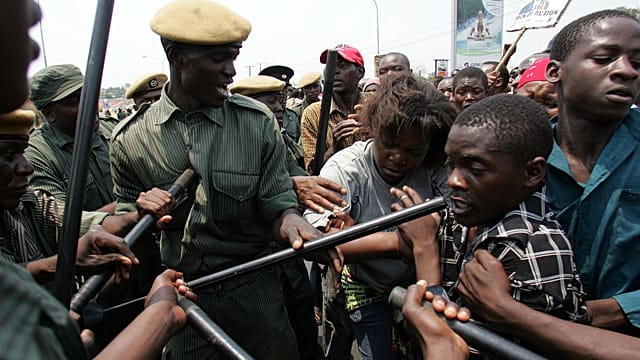
Nearly half of all registered voters are between 18 and 35 years old, making this group a powerful force that could tip the election [216209]. Hichilema’s campaign has focused on students and young workers in the final days, urging them to support his bid for another term [216209]. However, historically, this demographic has shown lower voting rates, making their participation a critical unknown [216866].
On Wednesday, tens of thousands of supporters packed a final campaign rally in Lusaka as Hichilema made his last push for a second term [217474]. The incumbent’s campaign faces headwinds from public concerns over high living costs and a shortage of jobs [217474]. Opposition groups have also accused authorities of intimidating their candidates and backers, though Hichilema’s team denies the allegations [217474].
Zambia is a key player in the global mining sector, holding some of the world’s richest copper reserves, making the election’s outcome significant for international markets [216185]. Final results are expected within days of the vote [217474].