Oil at $100 Sparks 1-in-3 Odds of a Fed Rate Hike This Week
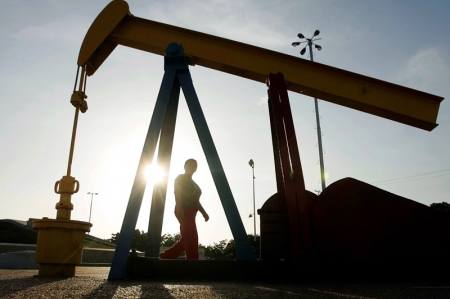
Bond traders now see a one-in-three chance the Federal Reserve will raise interest rates this week, as surging oil prices above $100 a barrel and new trade tariffs fuel inflation fears. The sell-off in U.S. government bonds is worsening, pushing borrowing costs to their highest level since January 2025.
The price of Brent crude oil has climbed above $100 per barrel for the first time in months, driven by supply fears and geopolitical tensions [203457][203826]. This energy shock is directly feeding into inflation expectations, making it harder for central banks to ease policy. In the United States, the yield on the 10-year Treasury note—a benchmark for mortgages, car loans, and corporate debt—hit its highest level since January 2025 on Friday, as investors braced for the Federal Reserve’s next interest-rate meeting [203382][203307].
Bond traders are now pricing in about a one-in-three probability that the Fed will raise rates at its upcoming meeting, according to market data [204487]. The conflict in the Middle East has made the economic outlook much less certain, adding to volatility in both oil prices and Treasury yields [204487]. At the same time, a new tariff on imported goods is expected to increase costs for businesses and consumers, further complicating the central bank’s decision [204412].
The sell-off in U.S. government bonds is intensifying because of these two main pressures: rising energy costs and ongoing trade friction [204476]. Together, they are locking the Federal Reserve into a "hawkish" stance, meaning it will likely keep interest rates high to fight inflation [204476]. As bond prices fall, yields climb, deepening the sell-off and signaling that markets expect the Fed to remain aggressive [204476].
The strong U.S. dollar, which rose to a one-month high on Thursday, is adding to global pressure [203457]. The euro weakened after the European Central Bank held its key interest rate unchanged, surprising some investors [203457]. In Japan, the yen plunged past 164 against the U.S. dollar—a fresh multi-decade low—as surging oil prices and a stronger dollar squeezed the energy-importing economy [203826]. Japanese government bond yields rose across all maturities, reflecting expectations that the Bank of Japan may eventually need to tighten policy [203826][203468].
For now, the message from bond markets is clear: expensive energy and trade tensions are keeping borrowing costs high, and the Fed may be forced to act [204476][204352].