2 US Troops Killed, One Missing in Jordan as Iran War Escalates Into New Phase
A recent Iranian attack on US military facilities in Jordan killed two American service members and left one missing, marking a sharp escalation in the ongoing conflict between the United States and Iran [199508].
The resumption of US airstrikes against Iran has now entered its seventh consecutive night, with American warplanes targeting bridges, energy facilities, and a coastal city near the strategic Strait of Hormuz [199306][199241]. At least seven people were killed in the latest bombings, which hit the city of Bandar Khamir in Hormozgan province and struck railway and highway bridges that appear designed to isolate Iran's main port, Bandar Abbas, from roads leading to Tehran [199306]. Iran acknowledged attacks on its power grid for the first time on Friday, and about 10,000 people in 20 villages have lost drinking water after a desalination plant was hit [199306].
In response, Iran launched missiles at US allies in the region. A child was injured by falling debris in Qatar, a desalination plant was damaged in Kuwait—where 90% of drinking water comes from such facilities—and Jordan said it intercepted three Iranian missiles [199306]. Iran has also struck US military facilities across the region, killing two American troops and leaving one missing in Jordan [199508].
The conflict has placed immediate pressure on incoming UK Prime Minister Andy Burnham, who on his first day in office must decide how much to support Britain's closest ally in the controversial military campaign [199611]. Even as Burnham was installed as Labour Party leader on Friday, outgoing Prime Minister Keir Starmer's government was in high-level talks about renewed US attacks on Iran [199611].
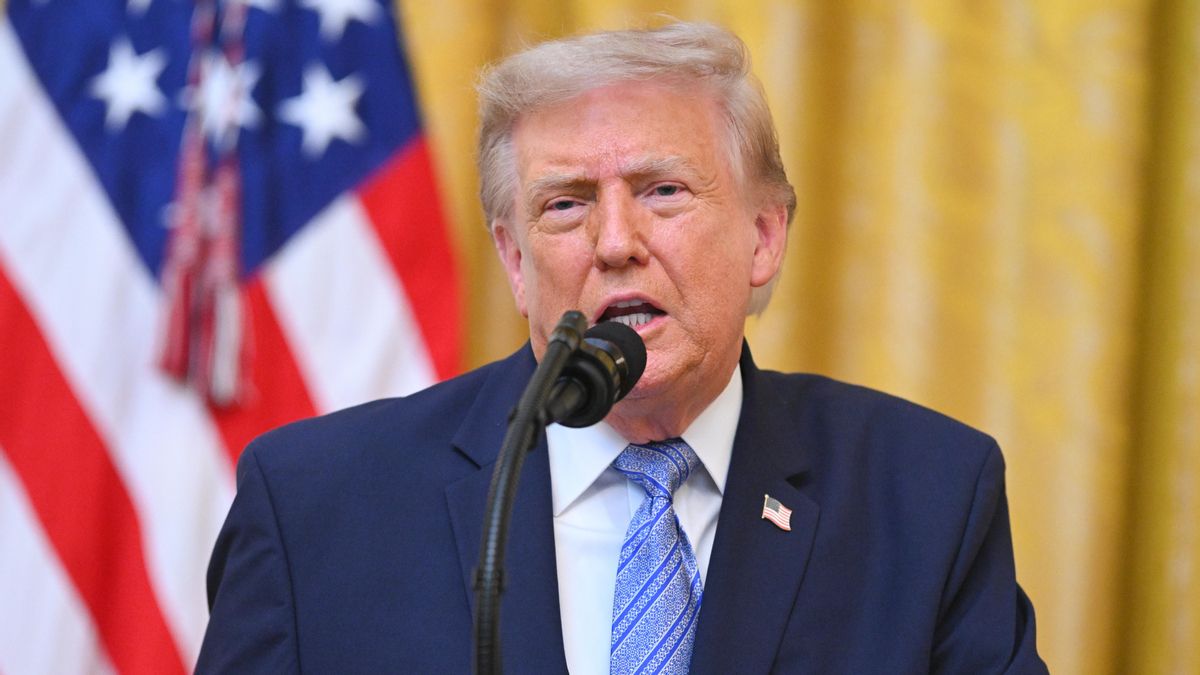
President Donald Trump declared the US-Iran ceasefire "over" on July 8, reimposing an economic blockade and ordering intensive airstrikes [197134][196305]. But experts warn the strategy is failing. Former US Defence Secretary Mark Esper said the United States cannot win a war with Iran through air power alone, arguing that Tehran's leadership is unlikely to back down under sustained aerial attacks [197010]. The Pentagon is now considering expanding bombing across all of Iran, hitting ports, bridges, power plants, and factories, with the goal of collapsing Iran's economy [199307].
Oil prices rose above $86 per barrel on Friday, near a one-month high, and ship crossings through the Strait of Hormuz fell to their lowest level in three weeks [199306]. Iran has demanded exclusive control of the waterway and wants to charge fees for ships passing through [199306].