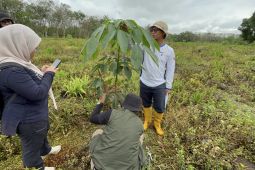
Indonesia Pledges to Restore 12.3 Million Hectares of Degraded Land by 2030
Indonesia has launched an aggressive plan to restore 12.3 million hectares of damaged forests, peatlands, and mangroves by 2030, aiming to prevent natural disasters and fight climate change.
The Indonesian Ministry of Forestry has set a national target to achieve Land Degradation Neutrality (LDN) across 12.3 million hectares by 2030, balancing the amount of healthy land lost to degradation with restored areas [186898]. As part of this push, the ministry has designated 250 critically degraded watersheds as priority zones for a five-year restoration program, addressing areas essential for water supply and flood control that have been damaged by deforestation and erosion [186880].
Officials announced that the Forestry Ministry will prioritize restoring degraded forests in both upstream and downstream areas to reduce the risk of natural disasters such as floods and landslides, noting that damaged forests weaken the ecosystem and make surrounding communities more vulnerable [186883]. The government is also accelerating efforts to repair degraded peatlands, which are waterlogged and rich in carbon, as a critical measure to prevent fires and reduce greenhouse gas emissions [186875].
Indonesia holds about 23% of the world’s mangroves, and new government programs aim to replant 600,000 hectares by 2024, recognizing these coastal trees as a powerful tool for absorbing carbon and protecting coastlines from erosion and storms [186882]. The country has also announced its readiness to lead an international collaboration focused on protecting tropical peatlands, aiming to coordinate research and share conservation techniques across multiple nations [186884].