ASEAN Leaders Flock to Russia Summit as G7 Shuns Moscow, Eyeing Energy Deals
Southeast Asian leaders are meeting with Russian President Vladimir Putin in Kazan for a two-day summit, directly challenging the Western isolation campaign, as the region seeks stable energy supplies and a “third power” alternative to dominant suppliers.
Leaders from the Association of Southeast Asian Nations (ASEAN) gathered in the Russian city of Kazan on June 17, 2026, for the ASEAN-Russia Commemorative Summit, a move that signals engagement with Moscow rather than isolation [176721]. The meeting overlapped with a Group of Seven (G7) summit in France, where Western leaders reaffirmed their support for Ukraine, highlighting the sharp diplomatic contrast between the blocs [176721].
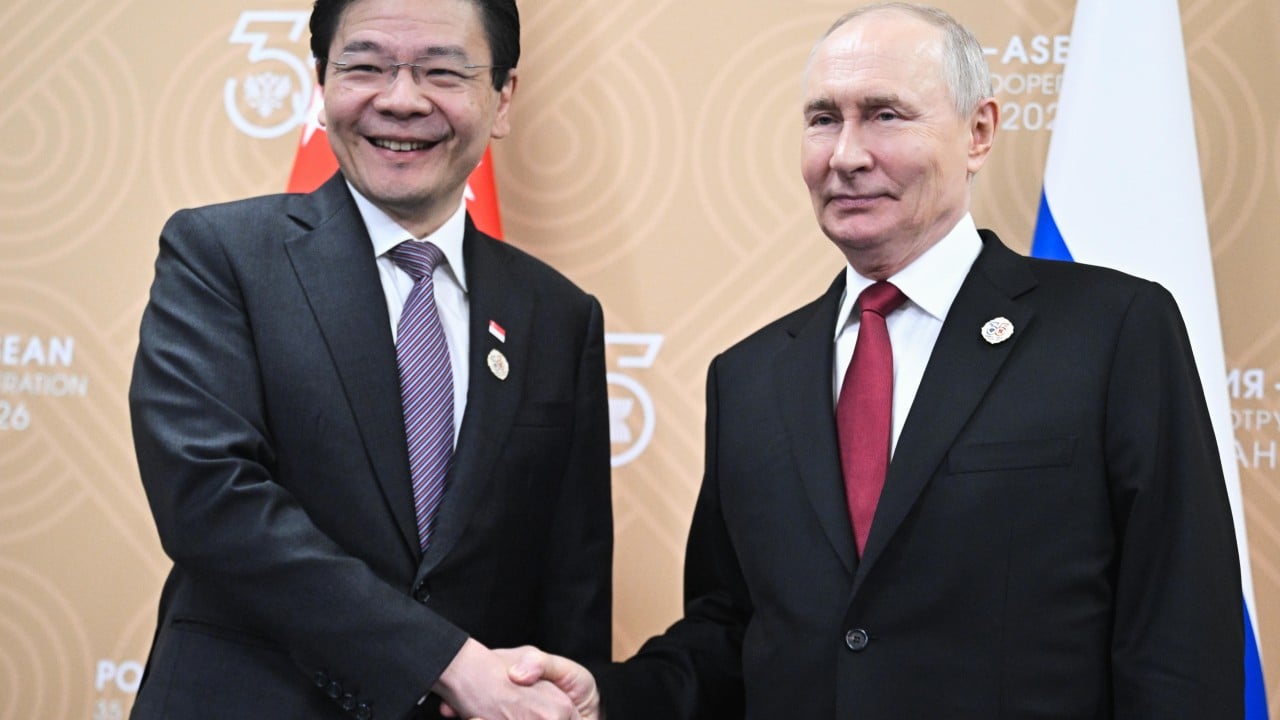
Singapore Prime Minister Lawrence Wong met Putin on the sidelines of the summit, marking their first face-to-face meeting [178881]. Analysts described the move as pragmatic, noting that Singapore maintains sanctions against Moscow over the war in Ukraine but will chair ASEAN next year, requiring engagement with all major partners [178881]. The region is also seeking energy security, and Russia is a key supplier [178881].
At the forum, Putin urged Southeast Asian leaders to expand cooperation in energy, food security, and nuclear technology, highlighting Russia’s potential as a reliable supplier of grain and fertilizer while offering civilian nuclear expertise to ASEAN members seeking clean energy [174767]. No new trade agreements were signed, but both sides agreed to continue talks on joint projects [174767].
The summit focused on boosting cooperation in oil, gas, and nuclear power, as many ASEAN countries depend on imported fuel and global energy prices remain high [176589]. Discussions are expected to cover long-term contracts for natural gas and nuclear energy projects [176589].
Analysts say Russia is positioning itself as a reliable “third power” for the region, aiming to fill a gap as Southeast Asian nations seek alternatives to dominant suppliers amid fallout from the Iran conflict and growing rivalry between the United States and China [177992]. Several energy-related deals were part of the discussions [177992].