US-Iran Deal Signed, But Oil Tankers Won’t Move Until They See Proof — and Netanyahu Says No to Pullout
A fragile US-Iran peace deal has been signed, but it faces immediate collapse as Israeli Prime Minister Benjamin Netanyahu refuses to withdraw from occupied zones and major shipping companies refuse to risk the Strait of Hormuz without concrete evidence the agreement is real.
The United States and Iran signed a memorandum of understanding on June 14, 2026, brokered by Pakistan’s Prime Minister Shehbaz Sharif, with a formal signing ceremony planned for June 19 in Switzerland [174246]. The deal includes terms for dismantling Iran’s nuclear program, reopening the Strait of Hormuz, and lifting sanctions [171747]. Oil prices dropped on the announcement, but analysts warn the agreement is more of a “pause” than a lasting peace, with key differences unresolved [174245].
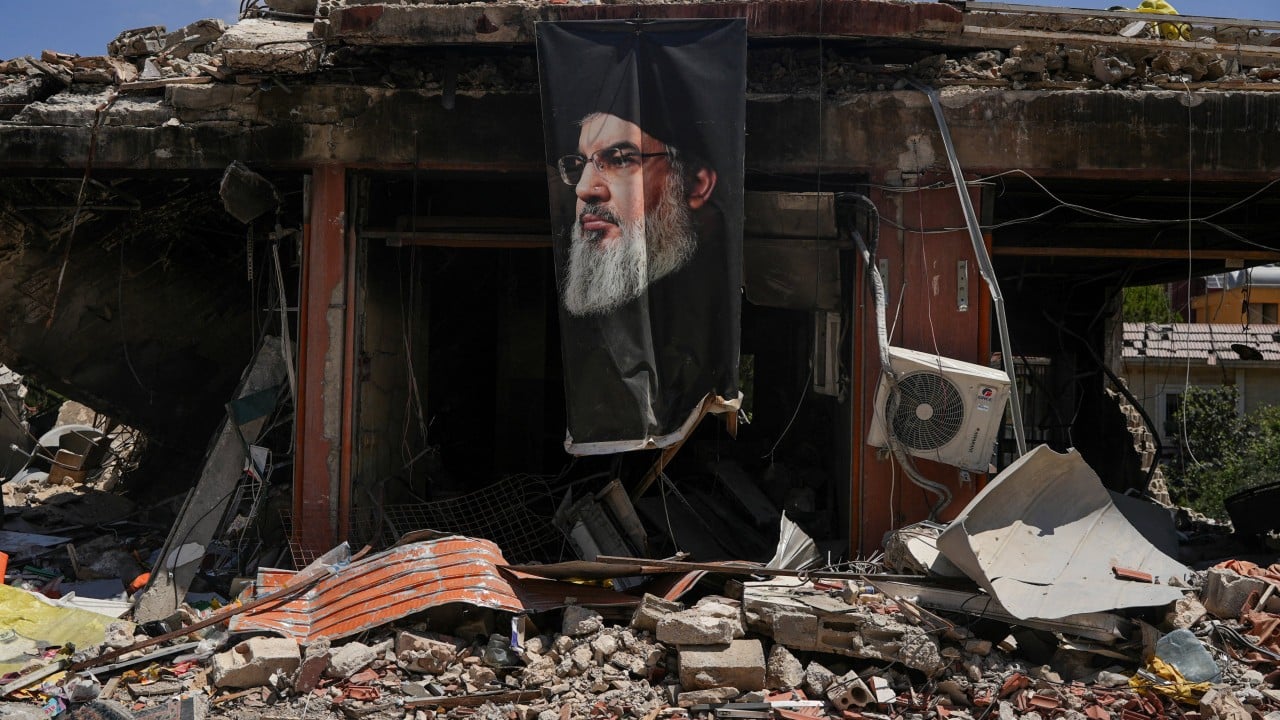
However, the deal is already unraveling. Israeli Prime Minister Benjamin Netanyahu rejected the agreement outright, stating that Israel will not withdraw from “security zones” it has established inside Lebanon and around the Golan Heights [173516]. Iran’s Foreign Minister Abbas Araghchi insisted that any deal must include a permanent ceasefire in Lebanon and treat Hezbollah as a direct party to negotiations [174204][169859].
Meanwhile, the CEO of Japan’s Mitsui O.S.K. Lines, one of the world’s largest shipping companies, told the Financial Times that shipowners will not send vessels through the Strait of Hormuz for weeks, waiting for proof that the US-Iran deal is “material” [174217]. The strait, which carries about one-fifth of the world’s oil and liquefied natural gas, has been largely shut since the war began on February 28 [174217].
U.S. allies, led by France and Britain, have proposed a naval mine-clearing and escort mission to reopen the waterway, but President Donald Trump downplayed the need for significant help, saying a “ship or two” from other countries would be enough [173837]. Spain has proposed an EU peace mission to replace the UN force in Lebanon, arguing the ceasefire must extend beyond the Gulf [173004].
China welcomed the agreement and called for a swift reopening of the Strait of Hormuz [172955]. The G7 summit in France focused on shifting attention to the war in Ukraine, with Trump saying, “Now that this is finished, we’re going to be focusing on that” [173838].