Iran Shuts Strait of Hormuz After US Strikes, 20% of Global Oil at Risk
Iran has closed the Strait of Hormuz to all shipping after the United States launched a second consecutive night of airstrikes, dismissing any ceasefire as "practically meaningless" and threatening to attack any vessel that attempts to pass through the strategic waterway.
Iran’s new oversight body for the Strait of Hormuz confirmed a complete closure of the waterway on Thursday, effective until further notice, following renewed U.S. strikes that Tehran called a violation of any ceasefire agreement [170604]. An Iranian official described the truce as “practically meaningless” [170604]. The Khatam al-Anbiya military command warned that any ship attempting to pass through the strait—through which about 20% of the world’s oil passes—will be targeted [170117].
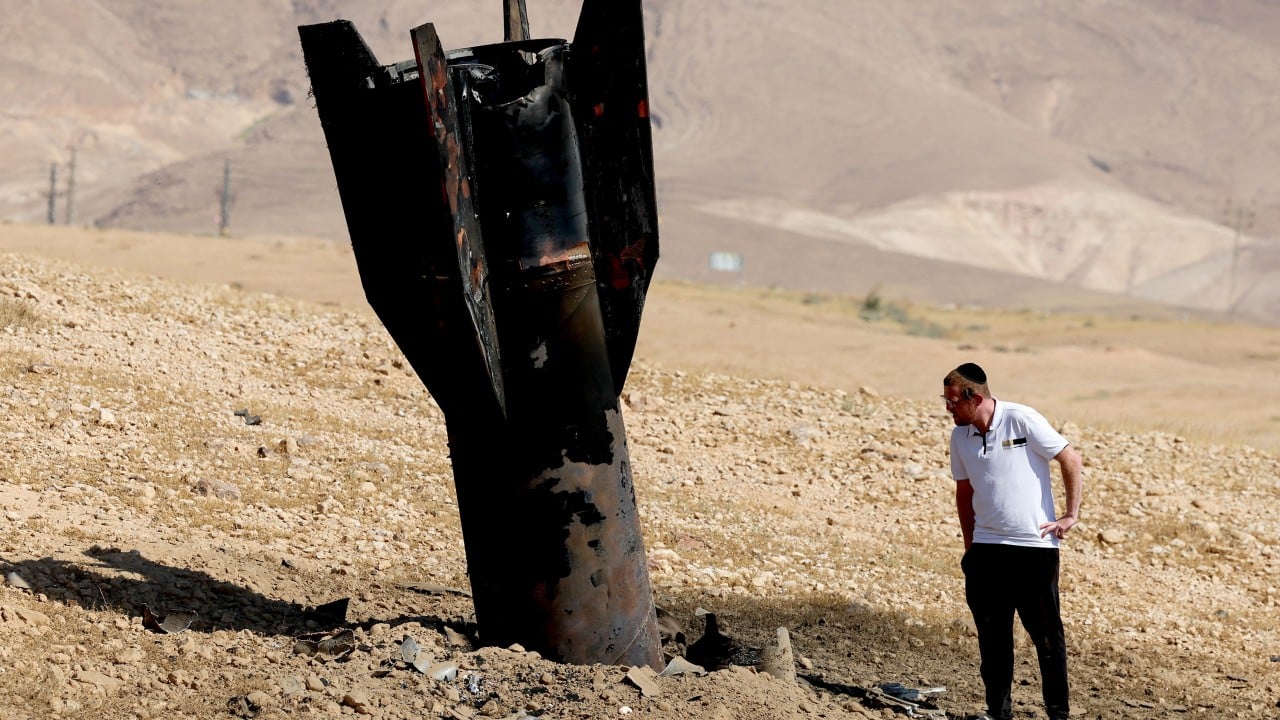
The United States launched a new wave of attacks on multiple targets in Iran late Wednesday night, following a second consecutive night of strikes [170318][170267]. President Donald Trump threatened further strikes if Iran does not comply with U.S. demands [170267]. In response to the U.S. attacks, Iran struck Bahrain, Kuwait, and Jordan [170318]. The United States denies that the strait is closed [170318].
The fragile ceasefire between the United States and Iran is crumbling [170161]. On Wednesday, President Trump threatened new strikes, saying, “We will hit them again today, and they will pay a heavy price” [170161]. Hours later, the U.S. military launched a new wave of attacks on Iranian targets, with U.S. Central Command saying the strikes were in "legitimate self-defense" [170161]. The escalation began on Monday when Iran shot down a U.S. Apache helicopter with a drone, and the U.S. retaliated on Tuesday [170161]. The two sides had agreed to a ceasefire on April 8, but the truce has been marked by repeated clashes [170161].
The closure of the Strait of Hormuz immediately sent global oil prices higher [170505]. The U.S. military said it has stopped eight ships trying to break its blockade, redirected 134 others, and allowed 42 humanitarian vessels to pass [170161]. Before the conflict, between 80 and 130 ships passed through the strait every day [170161]. No timeline for reopening the strait has been provided [170604].
Defense Secretary Pete Hegseth said the strikes will likely continue, without giving a timeline for stopping [170491]. Analysts say bombing alone will not force Iran to negotiate, and the conflict risks escalating further without a clear path to diplomacy [170491].