EU Leaders Warn €1 Trillion Dream of Military Independence Collapses Without US Backing
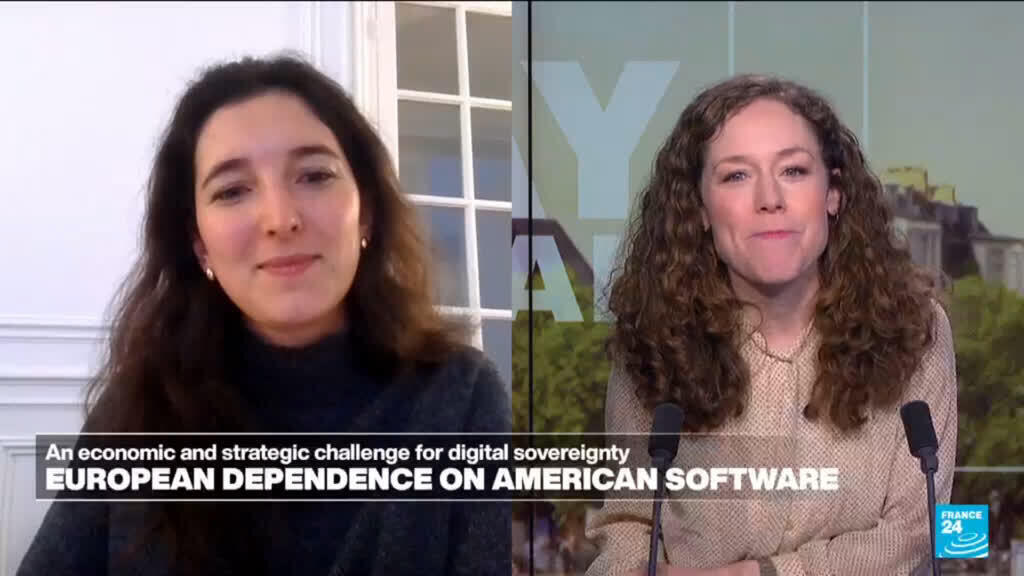
**EU Leaders Warn €1 Trillion Dream of Military Independence Collapses Without US Backing** Europe faces a stark reality check as internal tensions and external pressures expose its military and economic vulnerability, with officials warning that true autonomy from the United States would cost up to €1 trillion—a price no member state is willing to pay. The Franco-Greek defense pact, signed this week, was meant to signal European solidarity but has instead underscored the continent's fragmented approach to security. Named after the medieval lovers Isolde and Tristan, the agreement commits both nations to mutual military support if attacked [135008]. Critics argue the deal risks being a symbolic gesture in a world of shifting power, as Europe struggles with an aging population and growing competition from the US, China, and Russia [135008]. This fragility is compounded by widening cracks in the US-Europe military alliance. Experts describe the relationship as an "unhappy marriage"—cooperation continues, but key security decisions have highlighted growing disagreements, and some European leaders now question whether Washington will always come to their aid in a crisis [134166]. Outgoing Dutch Prime Minister Mark Rutte, a candidate for NATO Secretary General, shocked the bloc by revealing that full military independence from the US would require Europe to spend up to 10% of its total economic output—roughly €1 trillion—on defense, just to build a "war-fighting and war-winning" industrial base [60363]. Rutte dismissed this as impractical and said the immediate priority is a stronger European pillar within NATO, with credible deterrence against Russia requiring steady spending at or above 2% of GDP [60363]. The security threat is urgent. NATO's top military officer has warned that Russia aims to reclaim former Soviet territory, putting nations like Estonia, Latvia, Lithuania, Poland, Hungary, the Czech Republic, Bulgaria, Romania, Moldova, Albania, and Slovakia on high alert [134285]. Finland’s Foreign Minister Elina Valtonen reinforced the red line: "Territorial integrity is the red line. If need be, then we have to react through the means which we have at hand" [134206]. Simultaneously, Europe is under coordinated pressure from Washington. A new report by the Centre for European Reform claims the US is using aggressive tactics, including leveraging Europe's need for US military protection, to force policy changes and replace international rules with power-driven outcomes [44570]. Belgian Health Minister Frank Vandenbroucke accused the US of waging an "ideological attack" against Europe's social welfare systems, including worker protections and public healthcare [78938]. He called the EU "a protective shield against bilateral intimidation" [78938]. Europe’s energy strategy is also diverging from America’s. While the US doubles down on fossil fuels, European nations are capitalizing on renewable energy, generating significant economic savings and increasing energy independence [88037]. Yet, even this advantage is threatened by internal debates: the EU has warned member states that their emergency spending to shield citizens from high energy prices risks triggering a new fiscal crisis, with Economy Commissioner Paolo Gentiloni urging governments to make support more targeted and temporary [121783]. Germany’s Finance Minister Lars Klingbeil acknowledged the continent’s weaknesses, warning that reliance on foreign fossil fuels and critical minerals endangers jobs and economic growth. But he argued that building stronger alliances and military capacity gives Europe more options, and that a united front has already proven effective [131265]. The EU now faces a critical test: balancing the long-term ambition for strategic independence with the immediate, less costly need for collective security through NATO—all while resisting what one analyst called a "pincer attack" from US tech giants and far-right politicians that exploits European regulatory vulnerabilities [44570]. France and Greece Sign Defense Pact: A New Alliance in a Weakening Europe US-Europe Military Ties Fraying: An Unhappy Marriage Finland: Europe’s territorial integrity is a "red line" for the US NATO Officer: Russia Aims to Reclaim Soviet Territory US Tech Giants and White House Ally to Pressure EU, Report Warns Belgian Minister: U.S. Waging "Ideological Attack" on Europe Europe's €1 Trillion Question: Can It Buy Military Independence? U.S. Doubles Down on Fossil Fuels as Europe Cashes In on Green Energy Germany's Finance Minister: A Strong Europe Needs a Strong Germany EU Warns: Energy Bailouts Could Trigger New Fiscal Crisis Trump Era Demands "Political Adults" in EU, Analysts Warn
Articles in this Cluster

France and Greece Sign Defense Pact: A New Alliance in a Weakening Europe

US-Europe Military Ties Fraying: An Unhappy Marriage

Finland: Europe’s territorial integrity is a "red line" for the US
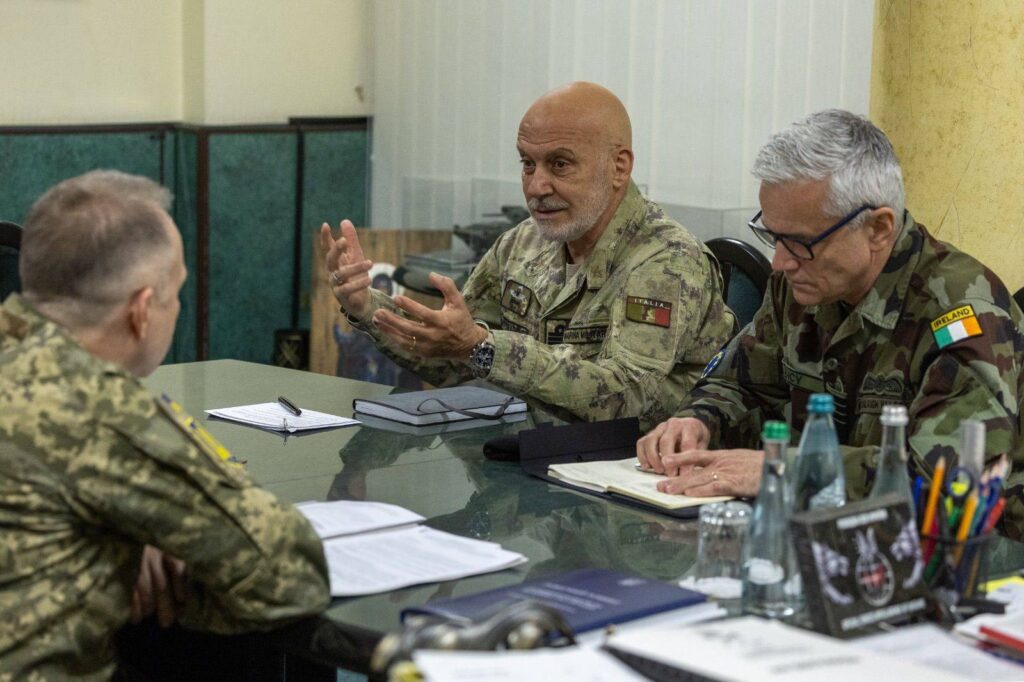
NATO Officer: Russia Aims to Reclaim Soviet Territory
US Tech Giants and White House Ally to Pressure EU, Report Warns
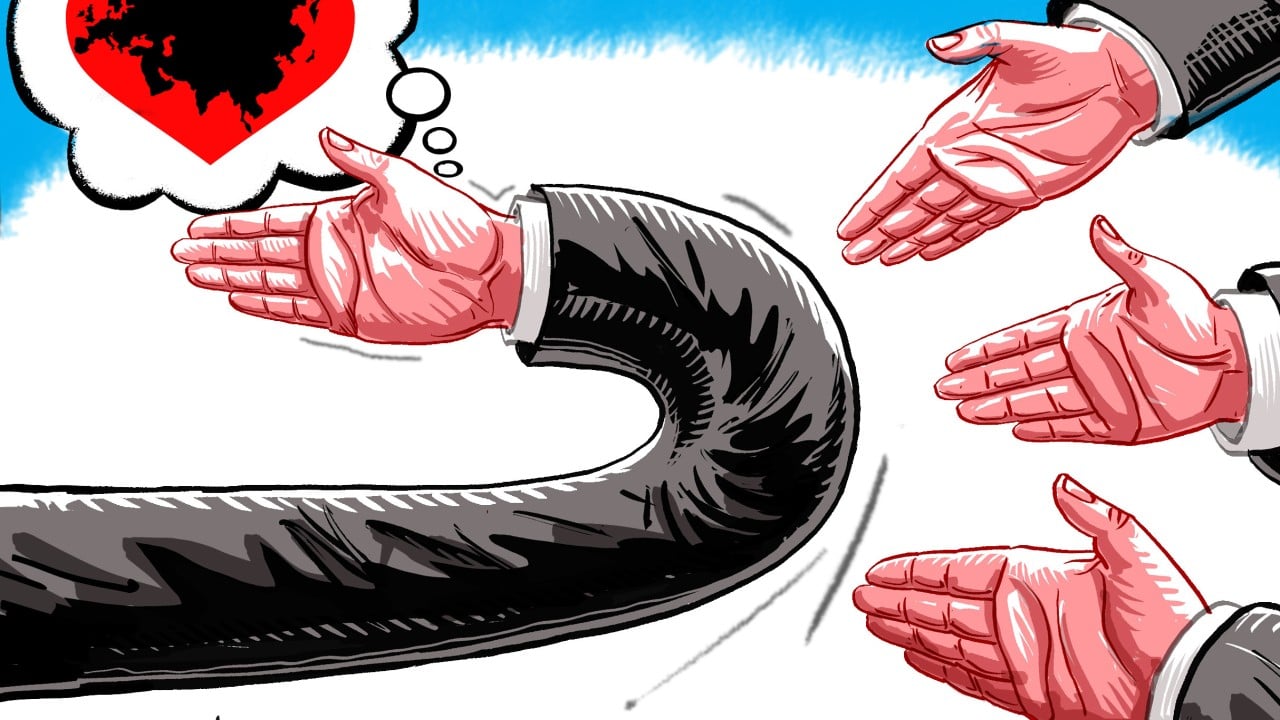
Asia alliances fraying? Mackinder’s map warns of a split

Belgian Minister: U.S. Waging "Ideological Attack" on Europe
Senior Minister Warns of ‘Challenging Times Ahead’ as Fuel Diplomacy Begins

Europe's €1 Trillion Question: Can It Buy Military Independence?

UK's "Rich Habits" Mask Economic Reality
U.S. Doubles Down on Fossil Fuels as Europe Cashes In on Green Energy
Germany's Finance Minister: A Strong Europe Needs a Strong Germany

EU Warns: Energy Bailouts Could Trigger New Fiscal Crisis

Trump Era Demands "Political Adults" in EU, Analysts Warn