2025: Climate Chaos Goes Mainstream — $Billions in Damage, Thousands Dead, No Turning Back
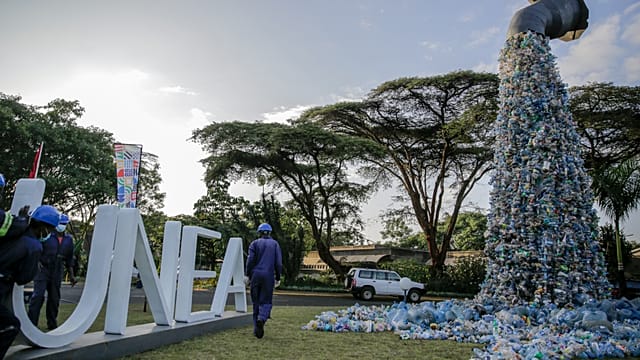
**2025: Climate Chaos Goes Mainstream — $Billions in Damage, Thousands Dead, No Turning Back** The year 2025 marked a brutal turning point where extreme weather—from devastating floods and scorching heatwaves to relentless droughts and wildfires—stopped being shocking exceptions and became a regular part of daily life for millions around the world [37315] [37775]. Last year was Earth's third hottest on record, but the real story was the string of catastrophic and costly weather events that struck across the globe, causing billions in damage and disrupting countless lives [49594]. Scientists say these disasters show climate change's clear influence, with rising temperatures driving more powerful and unpredictable storms, floods, and droughts [49594]. In Europe, 2025 brought a relentless year of climate disasters. Countries across the continent are still managing costly recoveries from floods, heatwaves, and wildfires [36941]. Experts warn these severe events may become standard, linking their increasing frequency to human-caused greenhouse gas emissions [36941]. The United Kingdom saw nature pushed to its "breaking point," with major storms like Éowyn and Bram bookending a year that included sun-scorched spring droughts, fierce moorland fires, and severe autumn floods [36898]. The crisis is not confined to wealthy nations. In Eastern Africa, a "triple planetary crisis" of climate change, biodiversity loss, and pollution is directly threatening food security, causing extreme droughts and floods that ruin crops and kill livestock [91481]. A major report from the World Meteorological Organization confirms the severe human and economic toll across Africa, stating that extreme weather has killed thousands, impacted millions, and caused billions in losses, with consequences that will continue for generations [113458]. The global response is accelerating. At the United Nations Environment Assembly (UNEA-7) in Nairobi, delegates committed to strengthening international cooperation on climate change, biodiversity loss, and pollution, urging countries to increase the speed and scale of their environmental interventions [21446]. Meanwhile, world leaders gathered at the COP30 climate conference in Belém, Brazil, to discuss the global response to rising temperatures [5124]. Experts warn that large-scale "mega projects," failed market-based climate policies, and increasing militarization are deepening the crisis, ensuring that climate impacts have moved from the headlines directly into everyday routines [37315] [37775]. The year 2025 is now seen as a benchmark—the point where climate disruption fully settled into the daily lives of people around the world, with no sign of turning back [37315]. 2025: The Year Climate Chaos Became Routine 2025: Climate Crisis Becomes Daily Life **2025: The Year the Weather Broke** Europe's 2025 Weather: A New Normal of Extremes? UK Wildlife Pushed to "Breaking Point" by Extreme Weather in 2025 Triple Planetary Crisis Starves East Africa Climate Crisis Costs Africa Billions, Claims Thousands **UN Environment Assembly Demands Urgent Global Action on Climate and Biodiversity** COP30: Key Facts on How a Warming Planet Affects You
Articles in this Cluster
Climate Crisis Threatens the Future of Global Sports
A Global Push to Curb Carbon Emissions
Europe's 2025 Weather: A New Normal of Extremes?
2025: The Year the Weather Broke
UK Wildlife Pushed to "Breaking Point" by Extreme Weather in 2025
War's Toxic Toll: Iran's Environment Under Fire