Tourists Are Grabbing Homes: Cities Crack Down on 10,000+ Short-Term Rentals
Tourists Are Grabbing Homes: Cities Crack Down on 10,000+ Short-Term Rentals A global clash between tourism and housing is forcing governments to take drastic action, as popular destinations move to reclaim thousands of homes from the short-term rental market for local residents. The conflict is most acute in cities where booming vacation rentals have driven up rents and pushed workers into illegal or substandard housing. In a landmark move, Hawaii's governor has ordered the conversion of 10,000 short-term rental units into long-term local housing [61634]. Officials blame the large number of properties listed for tourists for severely reducing supply and driving residents away from the islands [61634]. A similar crisis is unfolding in Cape Town, South Africa, where a surge in tourism and platforms like Airbnb has sent property prices soaring in the central business district [39353]. This forces essential service workers into informal settlements or unsafe, illegal housing far from their jobs [39353]. The city now features stark inequalities, with luxury villas and tourist rentals sitting alongside metal shacks in coastal areas [117472]. The phenomenon is not confined to vacation hotspots. In Seoul, soaring rents are pushing young professionals out of studio apartments and back into tiny, windowless *goshiwon* rooms—a type of ultra-basic dormitory accommodation [21300]. An office worker, identified only as Kim, said moving back to a *goshiwon* was her "only option" after her rent became unaffordable [21300]. In response, legislative action is advancing in some regions. The U.S. Senate recently passed a major bipartisan bill aimed at lowering housing costs by funding and encouraging the construction of new homes [100991][100719]. While its future in the House of Representatives is uncertain, supporters argue increasing supply is critical to addressing the core shortage [100991]. Meanwhile, in Madrid, a court is set to rule on whether major renovations conducted by investment funds constitute illegal "housing harassment" designed to force tenants out [82743]. Residents describe the tactic, which follows notices of non-renewed leases, as a form of "psychological torture" [82743]. The collective actions highlight a growing consensus that the financialization of housing as a tourist asset is creating unsustainable crises for local communities. Hawaii to Seize 10,000 Vacation Rentals in Housing Crisis Move Tourism Boom Pushes Workers Into Illegal Homes **Tourists in Luxury, Locals in Shacks: Cape Town's Coastal Divide** Soaring Rents in Seoul Force Workers Back into Tiny 'Goshiwon' Rooms Senate Passes Bill to "Flood the Market" with New Homes U.S. Senate Passes Major Housing Bill, But House Hurdle Looms Madrid Court to Rule: Is Renovation a Form of Tenant Harassment
Articles in this Cluster
From Battlefield to Building Sites: Ex-General Takes On Dutch Housing Crisis
From Homeless Child to Housing Hero: Nigerian Doctor Builds 100 Free Homes for Widows
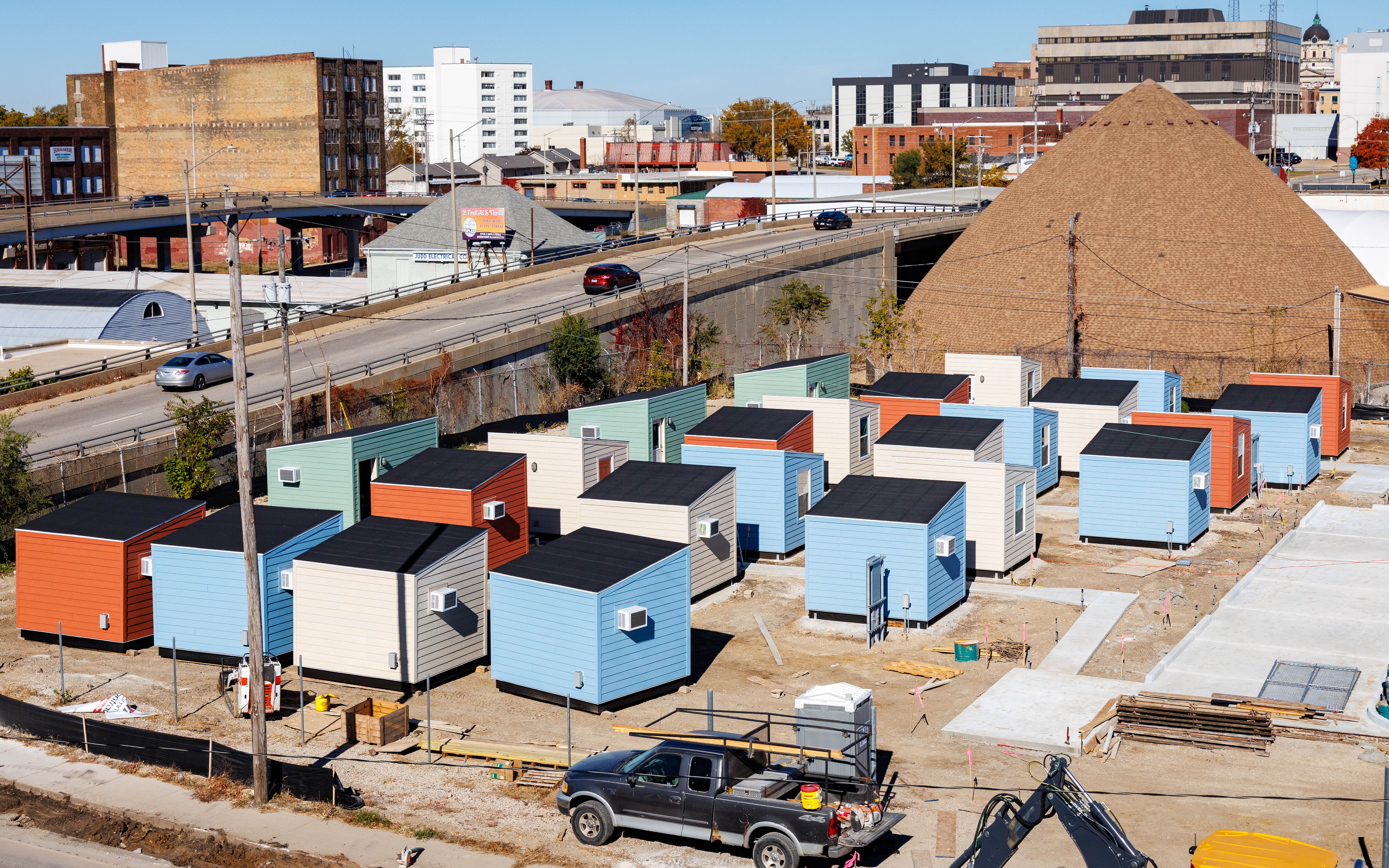
Tiny House Village Offers "Bridge" From Streets to Homes
Hawaii to Seize 10,000 Vacation Rentals in Housing Crisis Move
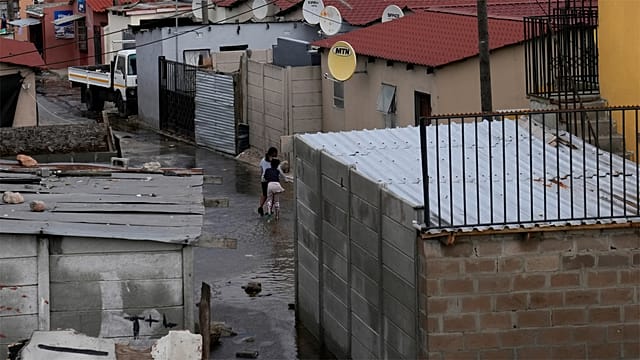
Tourism Boom Pushes Workers Into Illegal Homes
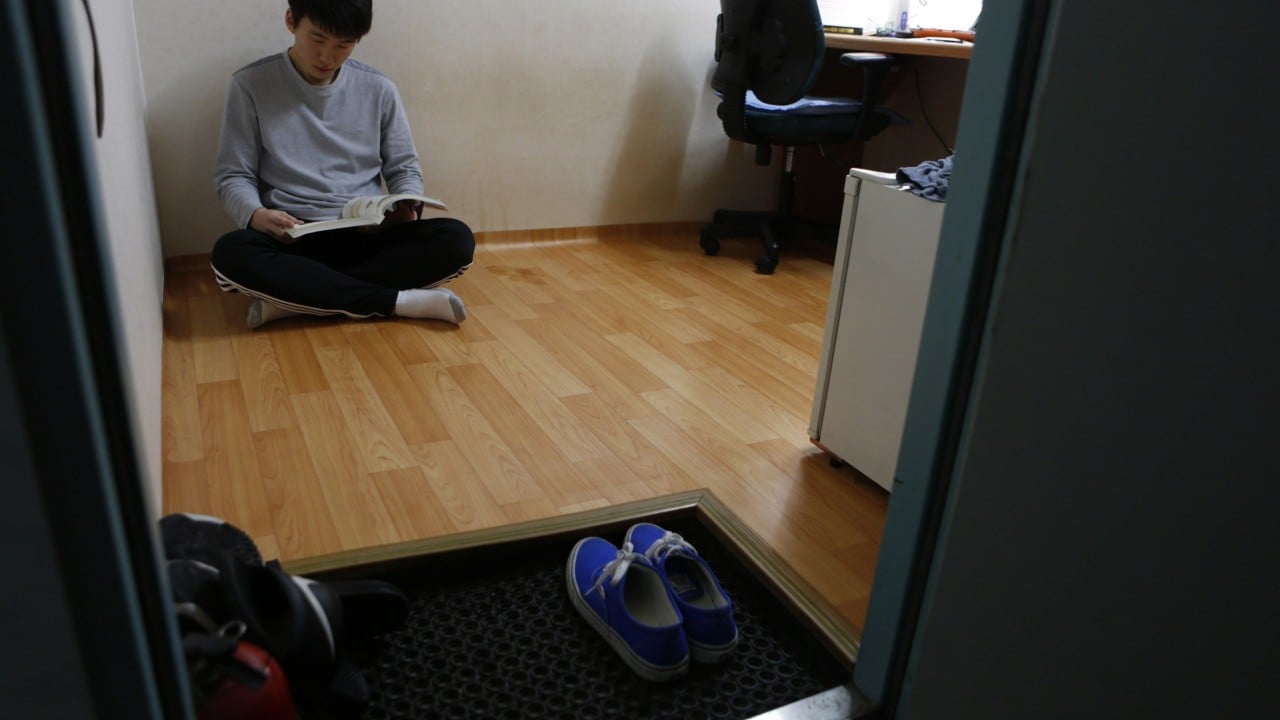
Soaring Rents in Seoul Force Workers Back into Tiny 'Goshiwon' Rooms
Tunnel to Towers Donates 50 Mortgage-Free Smart Homes to Injured Veterans
Delta State Tackles Student Housing Crisis with Major Hostel Expansion
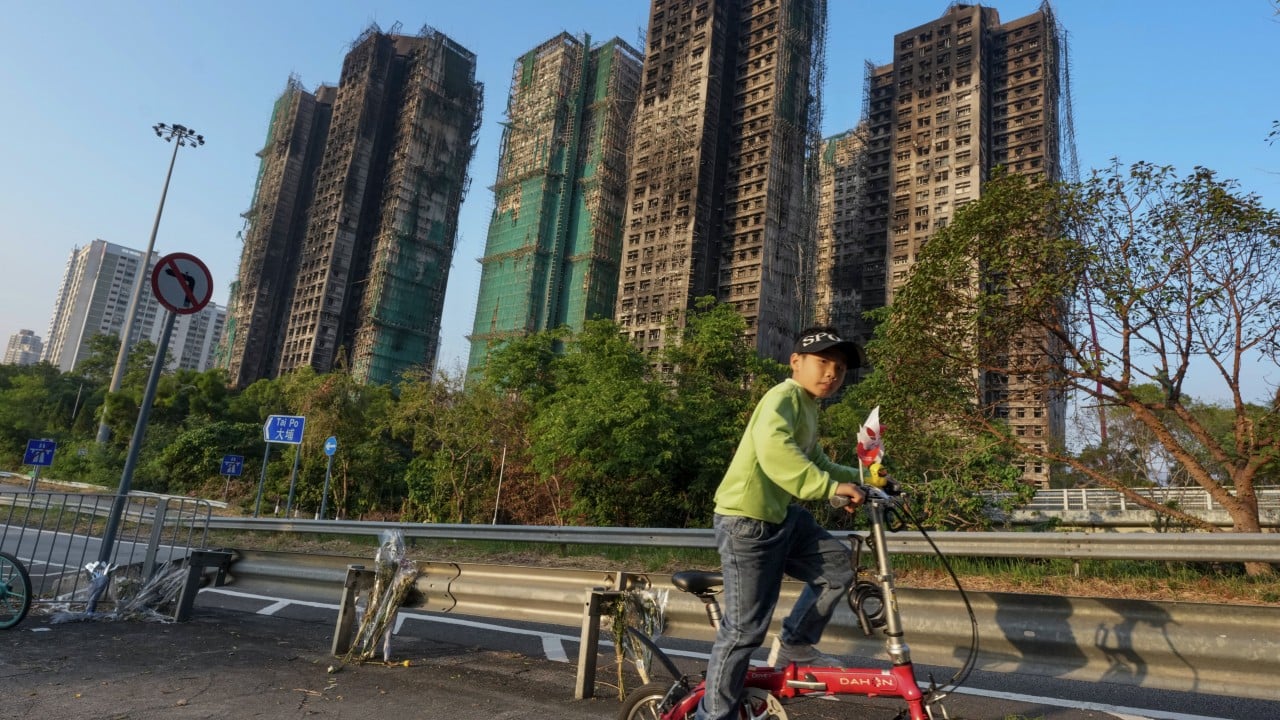
Hong Kong Scrambles to Rehouse Deadly Fire Victims
Britain's Unlikely Housemates: From Students to Seniors
Nigeria's Housing Crisis: Can a "Diaspora Mortgage" Help?
Tourists in Luxury, Locals in Shacks: Cape Town's Coastal Divide

Senate Passes Bill to "Flood the Market" with New Homes
