Trump's Fed Pick Puts Central Bank Independence on the Line as Senators Grill Warsh
Trump's Fed Pick Puts Central Bank Independence on the Line as Senators Grill Warsh The U.S. Senate is wrestling with a fundamental question about the future of the American economy: can a Federal Reserve nominee chosen by former President Donald Trump be truly independent from political pressure? The confirmation process for Kevin Warsh has become a critical test of the central bank's autonomy [131459]. The Federal Reserve, which controls key economic levers like interest rates, is designed to operate free from political interference. Its decisions are meant to be based solely on economic data. Senators are now tasked with determining whether Warsh, Trump's selection for a powerful Fed role, would uphold that tradition of neutrality or act primarily as an ally to the president who appointed him [131459]. This high-stakes scrutiny comes amid a broader political landscape where institutional norms are being challenged. In a separate strategic move, veteran Democratic strategist James Carville has urged his party to prepare a plan to expand the Supreme Court and grant statehood to Washington, D.C., and Puerto Rico the next time they hold full government control. Carville described these as corrective measures for systemic imbalances, though Republicans condemn them as a partisan "power grab" that would undermine judicial independence and alter the balance of the Senate [131429]. Internationally, political figures are also clashing over influence and institutions. In South Korea, the race for Seoul mayor has transformed into a direct proxy war between President Yoon Suk Yeol and opposition leader Lee Jae-myung, turning a local election into a national referendum on the country's top personalities [111654]. Meanwhile, in Turkey, an opposition lawmaker has decried the detention of a former mayor as a "political operation," asserting the country is no longer a "state of law" [73277]. The debate over Warsh's nomination underscores a central tension in contemporary governance: whether key institutions can remain bastions of non-partisan expertise or become extensions of political warfare. Trump's Fed Pick: Public Servant or Presidential Ally? Carville Urges Democrats: Plan for Court, Statehood Moves After Next Win Seoul Mayor Race Becomes Presidential Proxy War Turkish Opposition MP: "This is a Political Operation, Not Rule of Law"
Articles in this Cluster
Carville Urges Democrats: Plan for Court, Statehood Moves After Next Win

Can You Pass the 'Fear Trump' Test? A Quiz for Political Insiders
Seoul Mayor Race Becomes Presidential Proxy War
Australian Minister Defends Pope After Trump Attack
Badenoch Sparks Fury Over "Dangerous" Claim on Violence Against Women
Turkish Opposition MP: "This is a Political Operation, Not Rule of Law"
Trump's Fed Pick: Public Servant or Presidential Ally?
Polish President Seeks to Ban Communist Party
Pope Condemns 'Tyrants' Waging War, Angers Trump
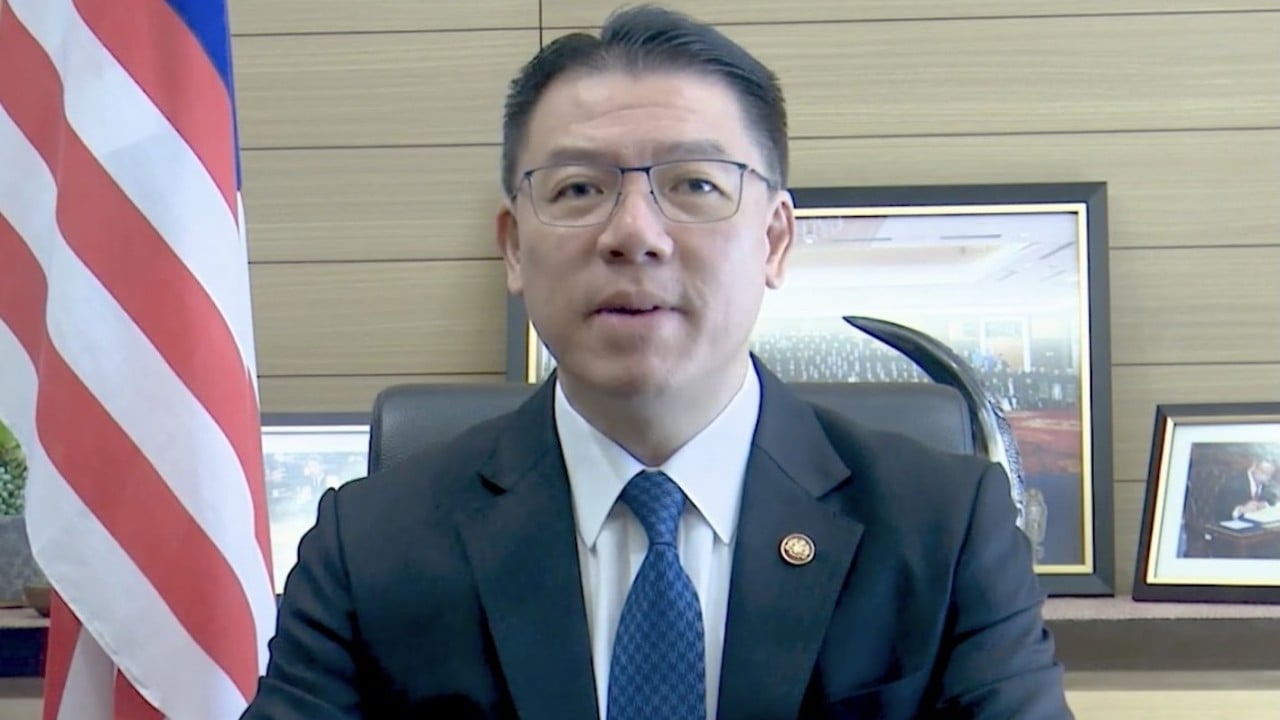
Malaysian Minister's 'Praise to God' Sparks Political Storm
