Oil Prices Set to Soar as Middle East Conflict Cripples Energy Supply
Oil Prices Set to Soar as Middle East Conflict Cripples Energy Supply A widening war in the Middle East is severely damaging the region's critical energy infrastructure, threatening years of supply disruption and sending shockwaves through the global economy. New data from the Organization of the Petroleum Exporting Countries (OPEC) confirms a sharp drop in Middle Eastern oil production since the outbreak of the conflict involving Iran [128703]. This decline comes as a top global energy official warns that more than 80 energy facilities across the region have been damaged in recent fighting, with over one-third severely impacted [127749]. Fatih Birol, head of the International Monetary Energy Agency (IEA), stated that restoring regional energy supplies to pre-crisis levels could take up to two years [127749]. The damage involves critical oil and gas production sites, refineries, and storage terminals, risking prolonged volatility in worldwide markets. The International Monetary Fund (IMF) has slashed its global growth forecast, citing the war as a direct cause, and warns the crisis threatens to reignite inflation worldwide [128821]. In a severe scenario involving a full-scale regional war, the IMF predicts oil prices could skyrocket, sharply increasing global living costs and potentially triggering a recession [129086]. The strategic Strait of Hormuz, a vital passage for global oil, has become a focal point of tension. The United States has enacted a maritime blockade to enforce sanctions, prompting a new tactical response [129482]. Ships linked to Iran are now "spoofing" their locations—broadcasting false digital tracks to mask their true movements—complicating monitoring efforts and increasing risks in the waterway [129482]. In a highly unusual move reflecting the heightened danger, a major U.S. Navy carrier strike group recently avoided the region entirely, sailing around the southern tip of Africa instead of taking the direct route through the Suez Canal [128185]. The economic fallout is spreading beyond energy markets. Nepal's trekking industry reports a steep decline in Western tourists, with arrivals from the Americas and Europe down by nearly 25 and 19 percent respectively, as travel through Middle Eastern hubs is disrupted [128459]. Similarly, Malaysia's healthcare sector anticipates a surge in medical tourists from the Middle East as patients seek safer destinations away from the conflict [105998]. Iran-Linked Ships "Spoof" Locations as US Blockade Tightens IMF: Iran-Israel War Could Cause Global Recession IMF Slashes Global Growth Forecast Over Middle East War Middle East Oil Output Plummets Amid Iran Conflict: OPEC War Damage to 80+ Mideast Energy Sites Could Disrupt Supply for Years U.S. Aircraft Carrier Avoids Mideast, Sails Around Africa Amid Iran Tensions Nepal's Trekking Industry Pivots to Asia as Middle East Conflict Scares Off Western Tourists Middle East Conflict Diverts Medical Tourists to Malaysia
Articles in this Cluster
Title: Iran-Linked Ships "Spoof" Locations as US Blockade Tightens

Middle East Tensions Threaten Hong Kong Rugby Sevens Crowds
IMF: Iran-Israel War Could Cause Global Recession
IMF Slashes Global Growth Forecast Over Middle East War
Cartoon Mocks Perpetual "Last Chance" for Middle East Peace
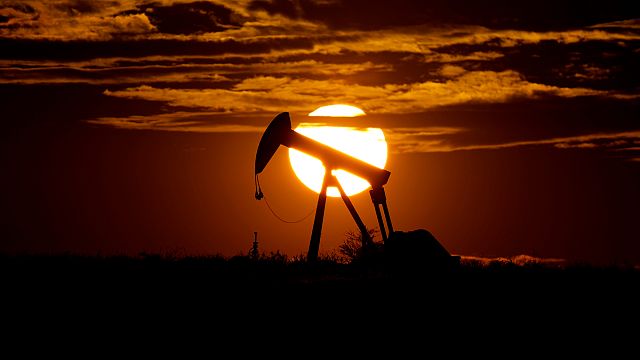
Middle East Oil Output Plummets Amid Iran Conflict: OPEC

Israel and Lebanon to Hold Rare Direct Talks Amid War
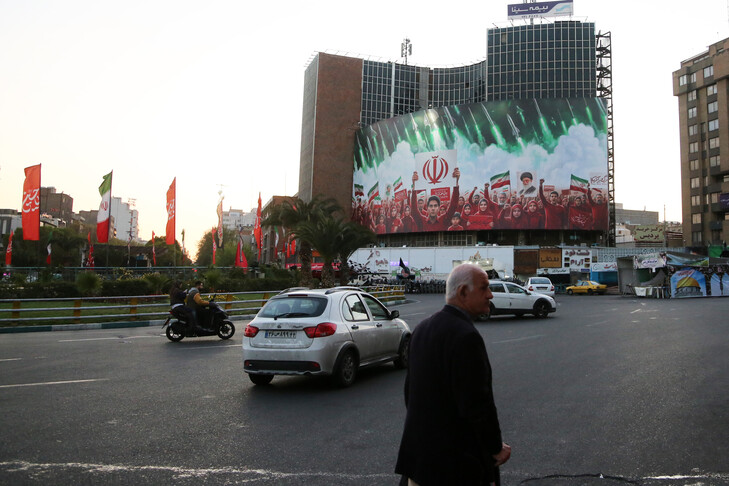
Iran and Oman Push for Gaza Ceasefire in High-Level Call
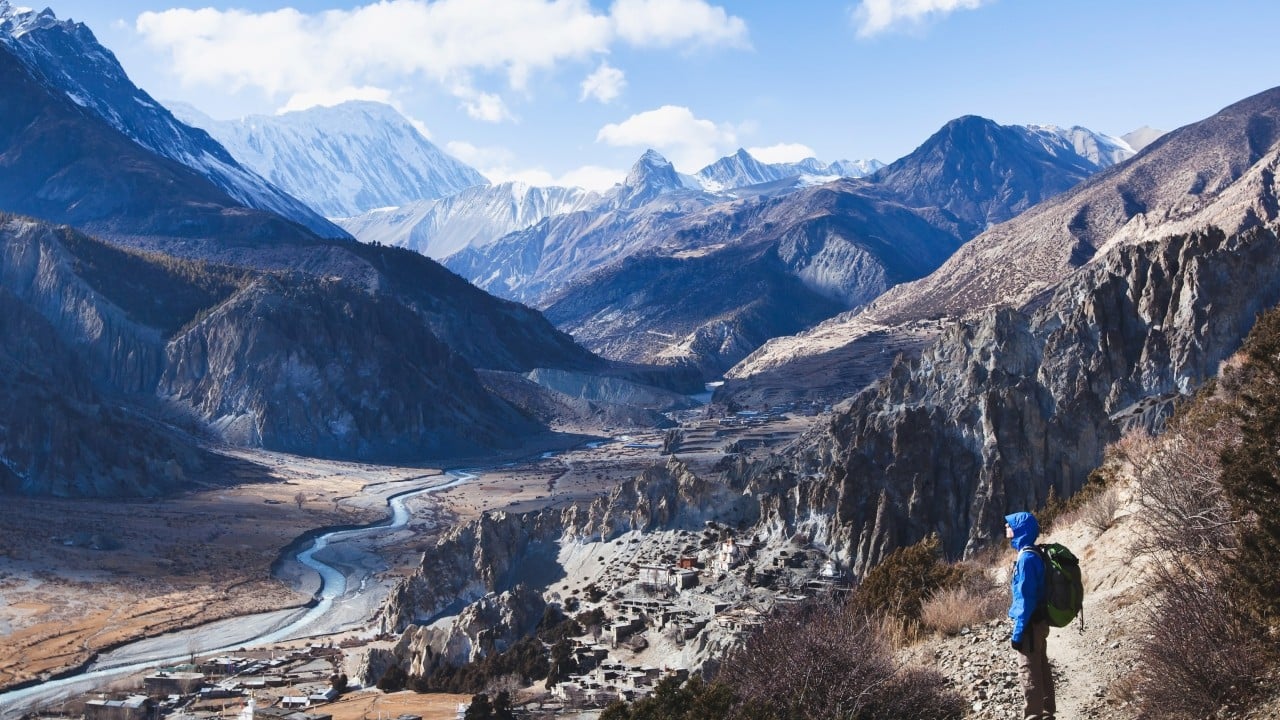
Nepal's Trekking Industry Pivots to Asia as Middle East Conflict Scares Off Western Tourists

War Damage to 80+ Mideast Energy Sites Could Disrupt Supply for Years

U.S. Aircraft Carrier Avoids Mideast, Sails Around Africa Amid Iran Tensions
Eid Prayers Echo as War Thunder Rolls in Middle East

Trump Claims Divine Backing for Military Action Against Iran
