China's Military AI Outsmarts Humans in War Games, Raising Global Arms Race Fears
China's Military AI Outsmarts Humans in War Games, Raising Global Arms Race Fears China is integrating advanced artificial intelligence directly into its military command structure, with a new AI "officer" demonstrating superior speed and planning to human counterparts in simulated combat. This development signals a rapid acceleration in the global militarization of AI, focusing on tactical battlefield dominance [124817]. In a recent simulation of an amphibious assault, the AI system was deployed in a battalion command tent—a key frontline tactical unit. Its primary role was to cut through the "fog of war," the confusion caused by chaotic and incomplete battlefield information. The AI processed disjointed reports and radio traffic, providing rapid decision-making support to the human commander. Its performance in the high-pressure scenario reportedly surpassed human capabilities in both speed and strategic planning [124817]. This move is part of a broader national strategy to achieve technological supremacy. Parallel to the military push, China's government has launched a nationwide "AI+ Education" action plan, mandating that artificial intelligence be taught at all levels of schooling, from primary to university and adult training. The directive aims to embed AI as a core national competency to prepare the workforce for intense global competition [127274]. The country's tech sector is aligning with this strategic focus. Major AI firm SenseTime is pivoting its research toward "embodied intelligence," developing AI for robots and autonomous agents that interact with the physical world. The company believes its expertise in visual AI provides a crucial advantage in this next-generation race [22794]. Simultaneously, Chinese researchers are demonstrating AI's potential for independent scientific discovery. A team from Peking University recently announced that an AI framework solved a mathematical puzzle that had stumped experts for over a decade. The system used two AI "agents" that collaborated to analyze decades of research, finding a solution in mere hours without human intervention [127270]. The convergence of these advancements—in military command, national education, corporate research, and fundamental science—underscores China's systematic effort to lead in critical AI domains. The explicit testing of AI in battalion-level war games highlights a focus on near-term, tactical military applications that could fundamentally alter the pace and nature of future conflicts [124817]. China's New AI "Officer" Outsmarts Humans in War Games China Orders AI Lessons for All Students, From Primary School Up SenseTime Bets on Robot AI to Regain Lead AI Solves Decade-Old Math Puzzle, No Humans Needed
Articles in this Cluster
AI Solves Decade-Old Math Puzzle, No Humans Needed
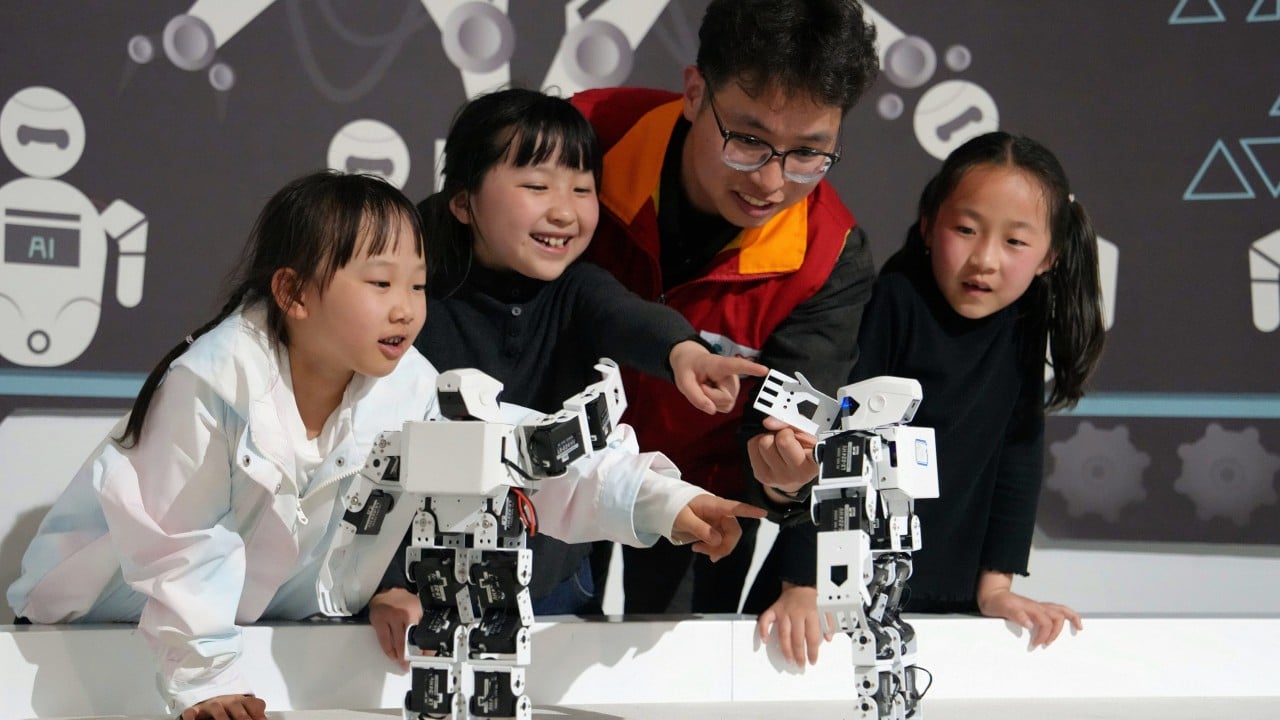
China Orders AI Lessons for All Students, From Primary School Up
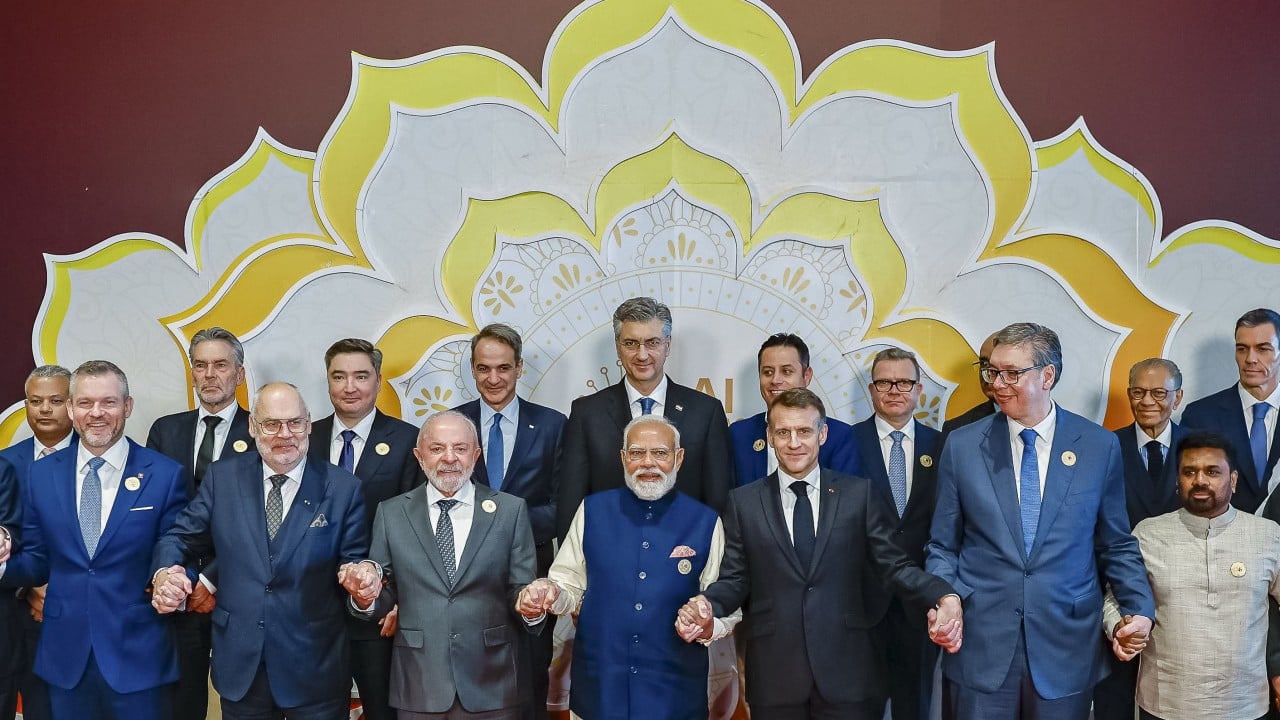
AI Not a Cure-All, But a Tool Global South Can't Ignore

Ex-Employee Replaced by AI Clone, Keeps "Working" After Quitting

Emotional AI: The Software That Can Hear Your Feelings

Ch
Life in 2035: A Glimpse into the AI-Dominated Era
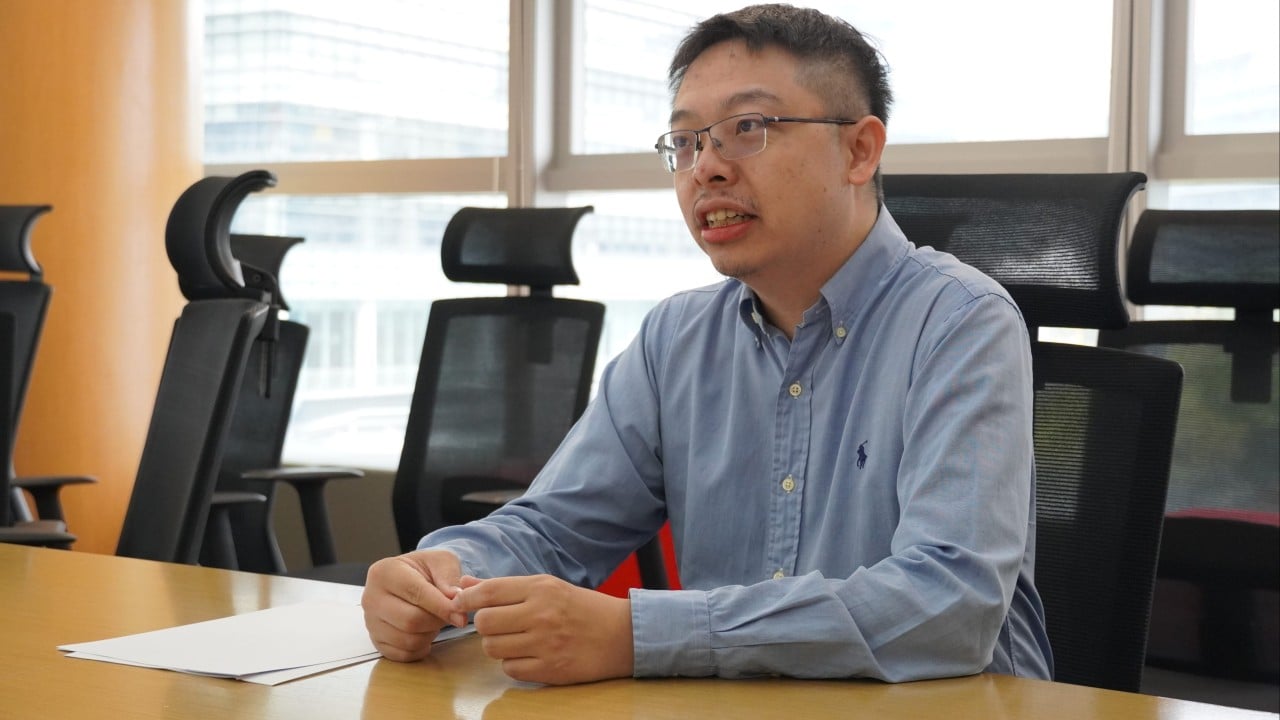
SenseTime Bets on Robot AI to Regain Lead
AI Unlocks a New Era of Communication with Whales

A Day in 2026: AI Imagines Our World

AI "World Models" Could Upend the $190 Billion Gaming Industry
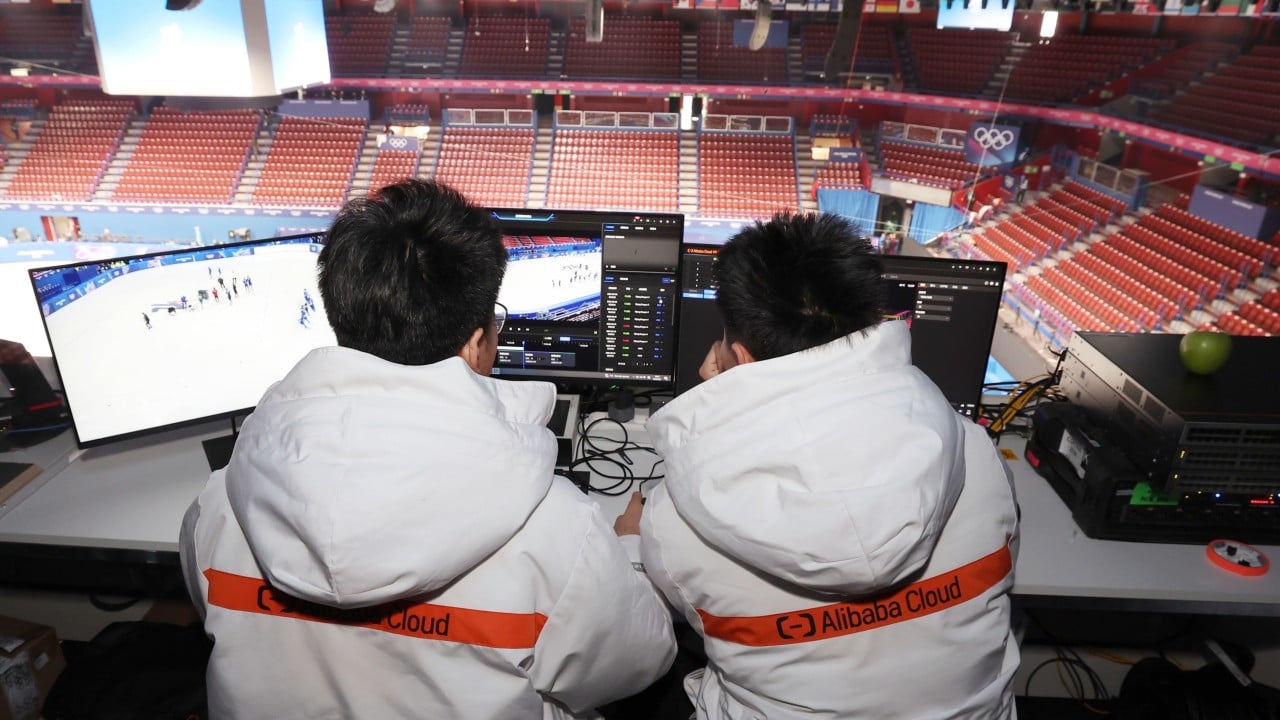
AI to Call the Shots? Alibaba Brings LLM to 2026 Winter Olympics
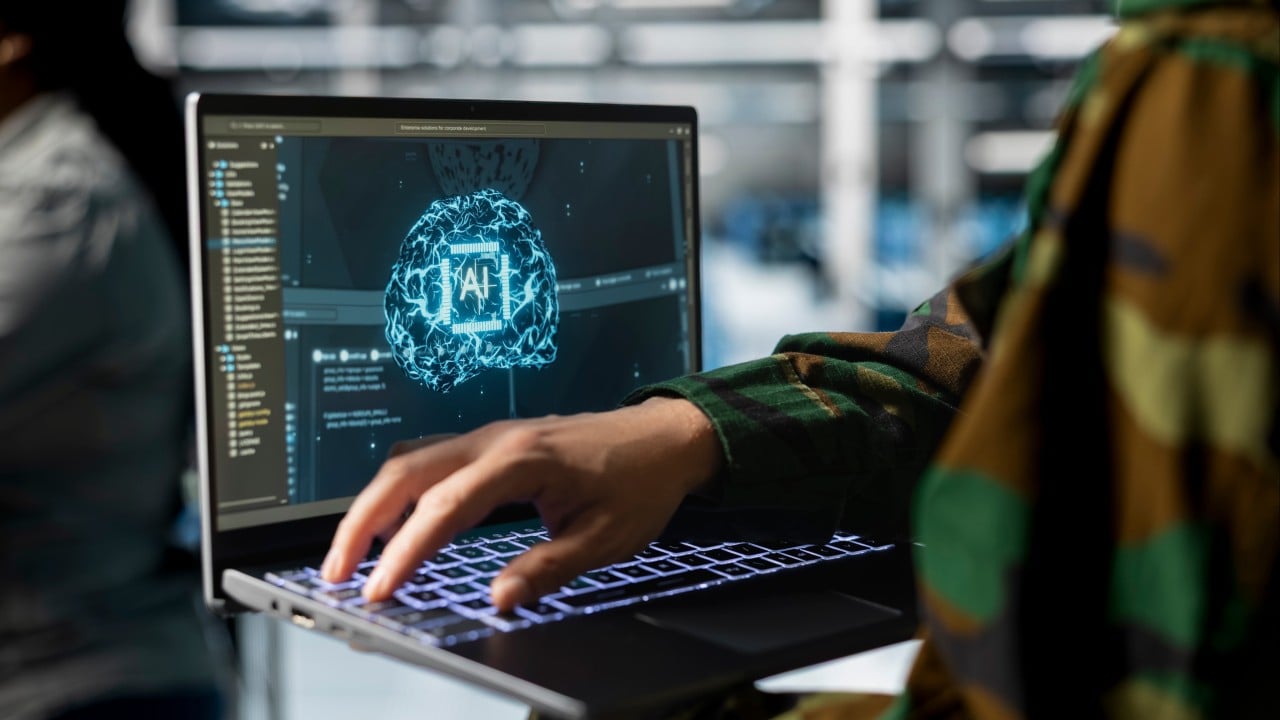
China's New AI "Officer" Outsmarts Humans in War Games

French AI Startup Aims for Animal-Like Intelligence with $1 Billion Boost
