Three "Princes": A Machiavellian Puzzle for Modern Politics
Part of composite article Global Cities Ring in New Year with Displays of Resilience View full article →
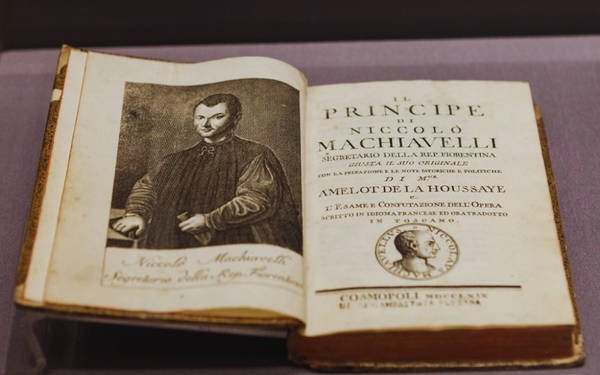
What can a 500-year-old political manual teach us about power today? A new analysis connects three surprising texts to answer that question.
The discussion focuses on the idea of the "Prince" as a symbol of leadership and change. It examines three distinct versions from different eras.
First is Niccolò Machiavelli’s "The Prince" from the 16th century. This is the original handbook on seizing and holding political power.
Next is Antonio Gramsci’s "Modern Prince" from the early 20th century. The Italian Marxist philosopher used the idea to describe a political party. For him, the "Modern Prince" was the group that could guide society to a new cultural order.
Finally, the analysis turns to a contemporary concept. It reviews political thinker Nuriye Kuran’s work on the "Democratic Prince." This idea centers on the writings of Abdullah Öcalan, the imprisoned founder of the Kurdistan Workers' Party (PKK). Here, the "Prince" symbolizes a radical, democratic model for social organization.
By placing these three "Princes" side-by-side, the analysis creates a unique dialogue. It spans centuries to explore the enduring question of how political change is achieved.