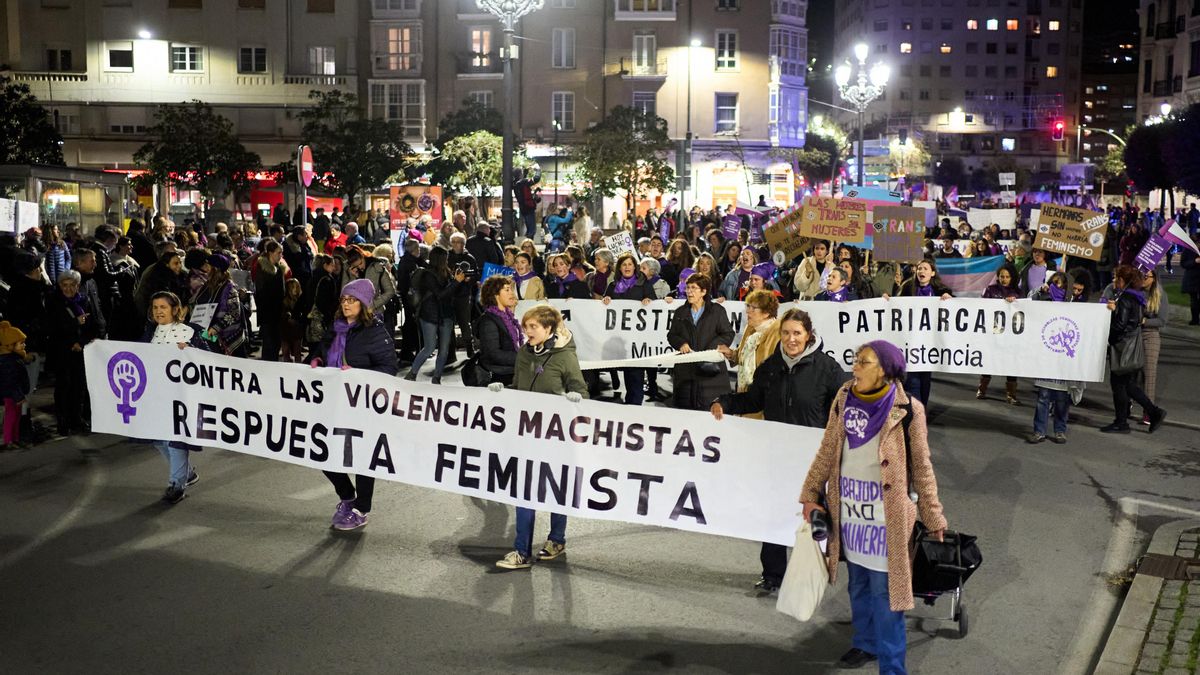
Spain's Failing War on Gender Violence: 46 Women Killed, 38 Children Orphaned
Spain is losing its battle against gender violence. The country's data tells a grim story: 10,971 complaints of sexual freedom violations and 106,972 women under police protection as of October 29, according to the Ministry of Equality. By November 19, 46 women had been murdered, leaving 38 children orphaned.
The problem extends beyond physical violence. The State Attorney General's Office recently filed a complaint against TikTok for spreading thousands of videos of child sexual abuse.
Critics point to a growing denialism movement, particularly from the far-right, that rejects the existence of gender violence, distorts data, and pushes to cut public resources for combating it. This denialism has real consequences: it legitimizes reductions in psychosocial support services that are already insufficient.
The gaps hit the most vulnerable hardest. Migrant women with few support networks or irregular immigration status face deportation. Women with disabilities encounter additional barriers to protection. Elderly women carry decades of abuse without adequate support. Farm workers endure exploitative conditions and sexual harassment from employers. Roma women need community mediators. Trans women and sex workers struggle to have their experiences of violence recognized.
Prevention efforts also fall short. Despite broad agreement on education's importance, public policies sideline prevention measures. Sexual education remains pending, with the far-right blocking its implementation under Spain's education law (LOMLOE)—even as young people demand it as a right and a tool to prevent sexual violence.
The far-right's strategy focuses on demanding harsher punishments for aggressors, whom they conveniently identify with the migrant population. But tougher penalties do not address the social factors that sustain gender violence: inequality, machismo, and the legitimization of violence as a way to resolve conflicts.
Criminal law is necessary but arrives after damage is done. It guarantees neither reparation nor accountability from perpetrators. Experts advocate for restorative justice approaches that prioritize repairing harm, preventing new attacks, and rehabilitating aggressors—moving beyond punitive populism toward responses that build a more just society.
Eradicating gender violence requires active commitment from all of society—not just against visible manifestations but against the factors sustaining it, including denialism itself. It demands defense of rights won through feminism and determination to advance toward greater equality, freedom, respect, and care.
It also requires holding public administrations accountable for guaranteeing protection, recognition, and reparation for victims, with special attention to those in vulnerable situations. Strong public services—universal, quality healthcare, education, and housing—are essential. Without them, combating gender violence is impossible.
What's needed are public policies centered on the majority's needs, not those of a minority accumulating power and wealth. And a transformative feminism capable of questioning a system that sustains sexism, racism, and social inequalities.
The bottom line: eradicating gender violence demands a good deal—a collective commitment to change.