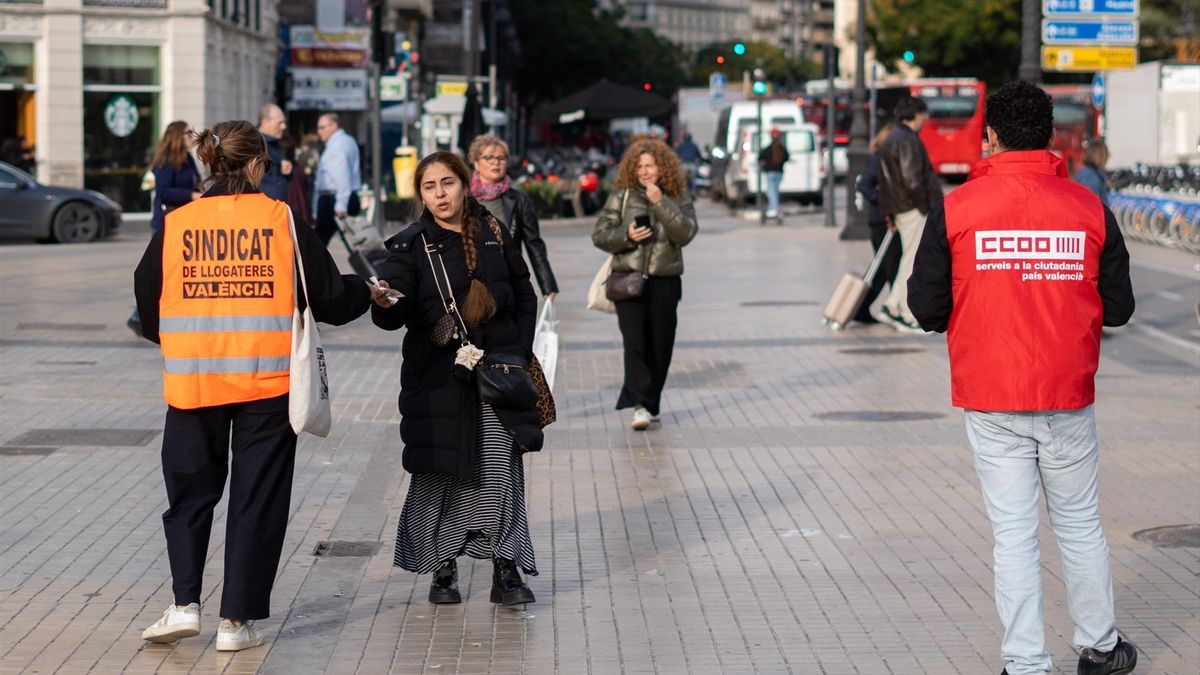
Spain Plans First General Strike in 14 Years to Protest Housing Crisis
Spain is preparing for its first general strike in 14 years, scheduled for Wednesday, November 11. The 24-hour walkout, driven by a severe housing crisis, is unusual: it was called by a tenants' union and later supported by the country's major labor groups. The goal is to empty workplaces and fill streets across the nation.
The movement began with widespread public anger over the eviction of a woman named Maricarmen. That outrage, organizers say, sparked a larger campaign. "A strike is not called, a strike is organized," is the unofficial slogan among union members as they hold a frantic schedule of meetings to prepare.
The strike is unique because it combines a labor action with a social protest. It is the first major general strike since 2012. Major unions like CCOO and UGT, along with smaller groups, are holding assemblies to explain the strike's purpose and motivate workers. At the same time, the Tenants' Union is organizing neighborhood assemblies across the country, reactivating a grassroots movement that grew from recent housing protests.
The central message is simple: "It's not enough." Workers say their salaries no longer cover basic needs. "We are being forced to move to the outskirts, losing time with our families and money on transport," said Miguel Ángel Kamisato, a cleaning sector delegate for CCOO. Sandra Luna Fernández, a UGT delegate at Carrefour, added that her colleagues feel their lives don't improve no matter how hard they work. The unions point to soaring housing costs, low wages, and a decline in public services as the root causes.
The political response has been tense. The opposition Popular Party (PP) attempted to link the strike to a recent train tragedy in Urda. Strike organizers condemned the move. "It is pathetic," said Alicia del Río, a spokesperson for the Tenants' Union. The leaders of CCOO and UGT called the attempt "insulting."
Organizers face modern challenges, including "technological scabbing"—the use of remote work and automation to undermine the strike. This is Spain's first major strike in the era of widespread telework. However, union leaders report strong engagement, especially from young people who have been at the forefront of housing protests.
The neighborhood organizing is extensive. The Tenants' Union uses an app called Toka to coordinate activities, with over 8,800 people registered across 290 committees. In Madrid's Arganzuela neighborhood, a small assembly of about 20 people discusses logistics for a local event and leaflet distribution. The atmosphere is one of determined, grassroots organization, connecting the labor strike to community action.
The strike's success will be measured by how many workplaces are shut down and how many people join the afternoon demonstrations. For organizers, it is both a challenge and an opportunity to unite a fragmented workforce and a new generation of activists. As CGT secretary general Miguel Fadrique noted, "The youth have been giving us powerful lessons for weeks." The 11N strike is an attempt to connect that energy to the traditional labor movement.