US Midterms: Foie Gras Banned, Abortion Rights Backed, Trump's Gerrymandering Rejected
Part of composite article Voters Ban Data Centers and Back Abortion Rights in 2026 Midterms View full article →
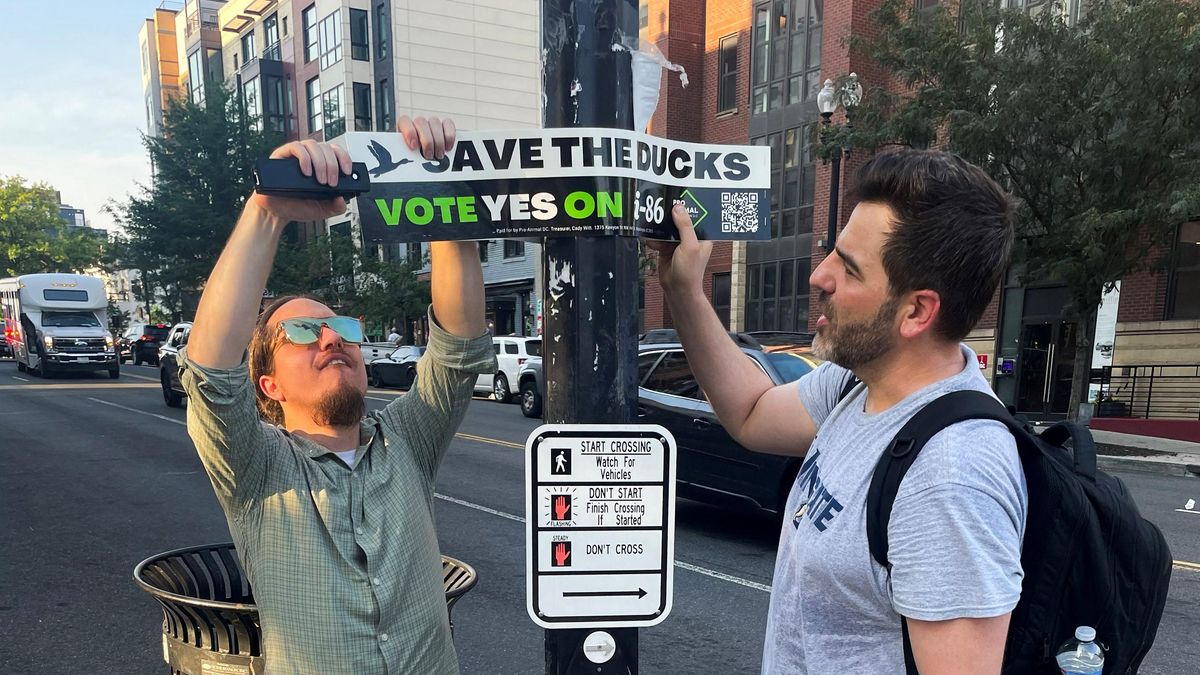
The US midterm elections were not just about control of Congress. Voters across many states also decided on local ballot measures—direct votes on specific laws and policies—covering everything from food bans to tax cuts and transgender rules.
**Washington DC bans foie gras**
Voters in Washington DC overwhelmingly approved a ban on the sale and production of foie gras—the fatty liver of force-fed ducks and geese. The city joins California and several others, including Pittsburgh, Portland and Denver, in prohibiting the product.
Under the new law, businesses and restaurants serving foie gras face fines of $1,000 to $5,000 per violation. Repeat offenders risk losing their business licence. Foie gras farms are also banned in the district, though none currently operate there. Individuals may still consume foie gras for personal use, as the law only covers commercial sales.
The ban officially takes effect on 1 July 2027, though legal and budget obstacles could delay it. New York City banned the sale in 2019, but seven years later the law remains stuck in court.
**Abortion rights wins and losses**
Voters rejected a proposed amendment to Missouri's constitution that would have reimposed restrictions on most abortions. The vote essentially reaffirmed the decision of voters two years ago, when they became the first in the country to overturn an abortion ban, AP reports.
In Virginia, a measure approved by voters establishes a "fundamental right to reproductive freedom" in the state constitution, guaranteeing abortions can be performed during the first two trimesters of pregnancy. The amendment also protects the right to contraception and fertility care.
A Nevada amendment establishes a fundamental right to abortion until fetal viability, generally considered to be reached from 21 weeks of pregnancy. The amendment won initial voter approval in 2024 but needed a second vote this year to enter the constitution.
Since the Supreme Court overturned the national right to abortion in 2022, voters in more than one-fifth of states have approved ballot measures protecting abortion access.
By contrast, voters in Republican-leaning Idaho rejected a measure that would have established abortion rights in state law. Idaho currently bans abortions unless necessary to save the pregnant woman's life, or during the first trimester in cases of rape or incest reported to police.
Other pro-abortion-rights measures failed two years ago in Florida and South Dakota.
**Tax on billionaires**
California's Proposition 40, known as the "billionaire tax," is a one-time 5% tax on the wealth of billionaires residing in California. The funds would go to healthcare. The count was still open on Wednesday midday, with a slight lead in favour of the tax.
Supporters, including California Democrats, say it will serve as a stopgap to offset cuts in federal funding. Opponents include the California Republican Party, outgoing Democratic Governor Gavin Newsom and governor-elect Xavier Becerra.
**Redistricting rejected**
Nine states are using new congressional districts in the midterms, following a wave of mid-decade redistricting pushed by Trump.
In Missouri, Republican lawmakers approved new House districts last year designed to help the Republican Party win an extra seat around Kansas City. Opponents gathered signatures to put the map to a public vote.
The new districts were used in the August primaries. But courts ruled they could not be used again unless voters approved them in a November referendum. Voters have now ended the new map by rejecting the redistricting law on Tuesday.
Meanwhile, voters in Democratic-governed Maryland approved a constitutional amendment that could pave the way for new electoral districts in the 2028 elections. Democrats, backed by former President Barack Obama, had urged a "yes" vote as a way to "stop Trump."
**Lower taxes in Florida**
An amendment approved on Tuesday could eliminate a significant amount of taxes for Florida homeowners, leaving local governments struggling for revenue, AP reports.
Florida currently exempts the first $50,000 of a person's primary residence value from many property taxes. That exemption will triple next year and rise to $250,000 by 2028.
**Transgender restrictions**
Voters in Nebraska approved an amendment to write existing medical restrictions for transgender people into the state constitution. In Arizona, voters backed a measure extending sports restrictions from public schools to private schools.
This comes as the Trump administration has been pushing restrictions affecting transgender people, especially young people. Most Republican-governed states already bar transgender women and girls from female school sports teams.
In Democratic-governed Colorado and Washington, measures were put to a vote through citizen initiatives. A second question on Colorado's ballot would ban some medical treatments for transgender minors.
**Voter ID**
While Trump's campaign for a national voter ID requirement remains stalled in Congress, activists put new voter identification requirements on ballots in California, Colorado and Nevada.
Opponents in California successfully campaigned against the amendment by linking it to Trump. The rejected measure would have required a government-issued ID to vote in person, or the last four digits of that ID number to vote by mail. The vast majority of California votes are cast by mail.
Colorado voters also rejected a measure that would have required mail voters to include the last four digits of a government-issued ID number.
In Ohio and North Carolina, Republican-led legislatures put measures to a vote that strengthened existing voter ID requirements by writing them into the state constitution. The measures passed in both states. A voter ID amendment also passed in Nevada.