No Mushrooms, No Tourists: Climate Change Threatens Rural Economy in Spain's Aragón Region
Part of composite article Mushroom Festival Canceled After Drought Leaves Forests Bare—Just 25 Species Found Instead of 200 View full article →
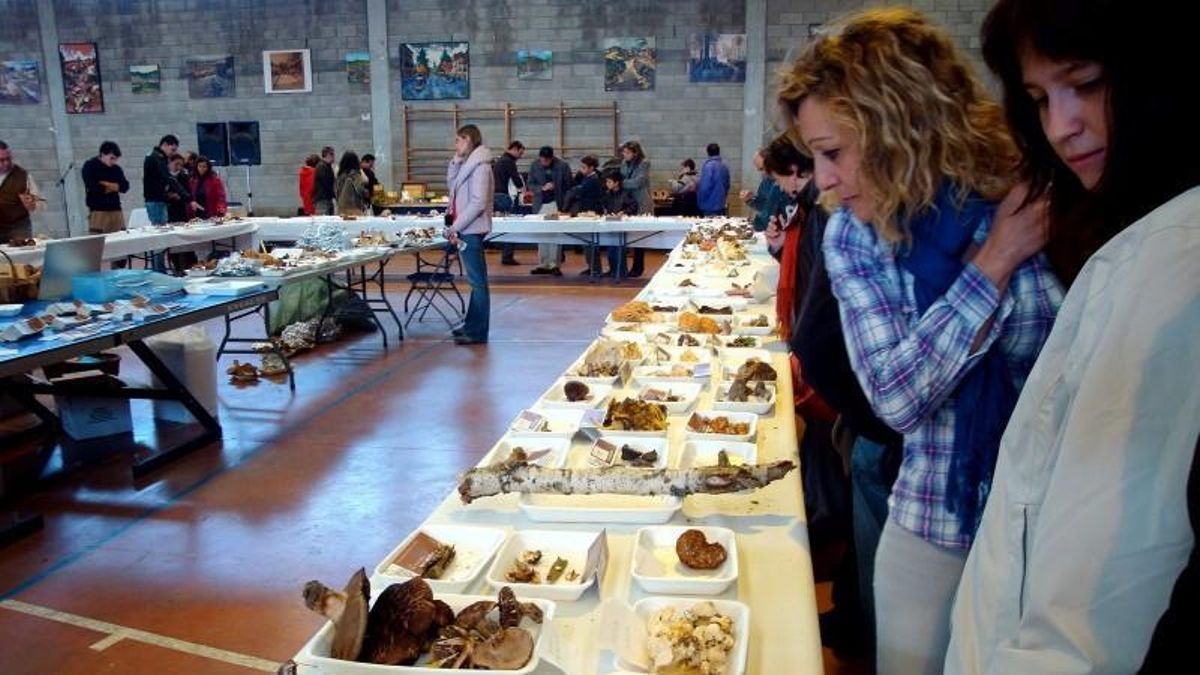
The mountain did not deliver this autumn. A shortage of mushrooms has forced the town of Ayerbe in Huesca, Spain, to cancel its 35th Mycological Days, a festival scheduled for October 24 and 25. The lack of sufficient specimens for the exhibition has suspended a tradition spanning more than three decades and deprived the municipality of an event that attracts visitors and boosts its economy.
Months of scarce rainfall and high temperatures have left forests too dry for fungi to grow. Recent rains arrived too late: mushrooms need moisture and time to develop. Mycologists estimated they could gather only 25 to 30 species, compared with more than 200 in typical years. That figure led organizers to make the final decision to cancel, explained Ayerbe's mayor, Antonio Biescas. "We held on until the end," said Biescas, lamenting the cancellation of an event with more than three decades of history.
The town council estimates the event requires an investment of between 9,000 and 10,000 euros ($10,500–$11,700). While this specific cancellation cannot be attributed solely to climate change, it highlights how rural activity can depend on natural cycles that are "increasingly difficult to predict."
**When There Are No Mushrooms, the Town Feels It Too**
The suspension affects more than mushroom enthusiasts. An event like this can fill tables at bars and restaurants, boost bookings at rural accommodations, and increase sales at local shops. Each visitor represents a spending opportunity distributed among different businesses—especially important in small municipalities.
The Ayerbe festival was designed as both an educational and tourism activity, with forest walks, workshops, lectures, and exhibitions. Its cancellation means losing a chance to attract visitors who might eat at bars and restaurants, stay in rural houses, or shop at local stores. As the mayor acknowledged, "economically revitalizing the municipality and its surroundings" is one of the event's goals.
The specific impact on Ayerbe's businesses has not been publicly quantified, but the importance of mushroom tourism to rural economies is documented. A study by the Government of Aragón, based on surveys at tourism offices, found that 67% of mushroom tourists stayed overnight, with an average stay of 3.1 days, while 33% were day-trippers. Additionally, 45% cited wild mushroom collecting as their main reason for visiting; 40% identified with mushroom-gastronomy tourism and 15% with cultural mushroom tourism.
The same study found that 10% of people surveyed at tourism offices had practiced mushroom tourism in Aragón during the previous three years. Mushroom tourism also tends to connect with other experiences: seasonal cuisine, nature routes, heritage, and contact with nature. If an activity disappears from the calendar, the potential damage is not limited to mushroom sales or dishes made with them. It can affect the entire tourism experience the town offers.
While these data do not measure the current impact on Ayerbe, they show the potential of this activity to generate overnight stays and spending in the territory. When the season fails, consequences can extend far beyond the forest. "It will be noticed in the town, in all establishments," said staff at the local guesthouse O Callejón de Belchite, where three of six rooms have been canceled. "This time we're saved because we have meal bookings for another activity and three other rooms for a family coming for other reasons," they said—an example of how small rural businesses are directly affected by the suspension of events as important as the Mycological Days in Ayerbe.
**A Recurring Situation in Aragón**
Ayerbe is not the first Aragonese municipality to face a bad mushroom season. In 2016, lack of rain and high temperatures foreshadowed a very negative campaign, with concern about the impact on hospitality. In 2017, drought again damaged the season in regions like Maestrazgo, though conditions varied by area.
Ayerbe itself had already experienced difficulties in 2022, when scarce mushrooms did not prevent maintaining an educational and gastronomic program. This year, however, the lack of specimens has led to canceling the event, scheduled for the last weekend of October. In 2025, the mayor pointed to the importance of caring for the forest: "Not everything goes; the forest must be cared for because otherwise, there will be no mushrooms."
This year's decision reminds us that adapting to climate change is not only about protecting crops or managing water. It also requires thinking about how to diversify rural economies, reduce dependence on specific seasons, and maintain tourism appeal when natural resources are scarce.