Guatemala’s Sepur Zarco Heroines Still Waiting 11 Years After Landmark Ruling
Part of composite article Guatemala’s Sepur Zarco Grandmothers Still Waiting for Justice 11 Years After Landmark Ruling View full article →
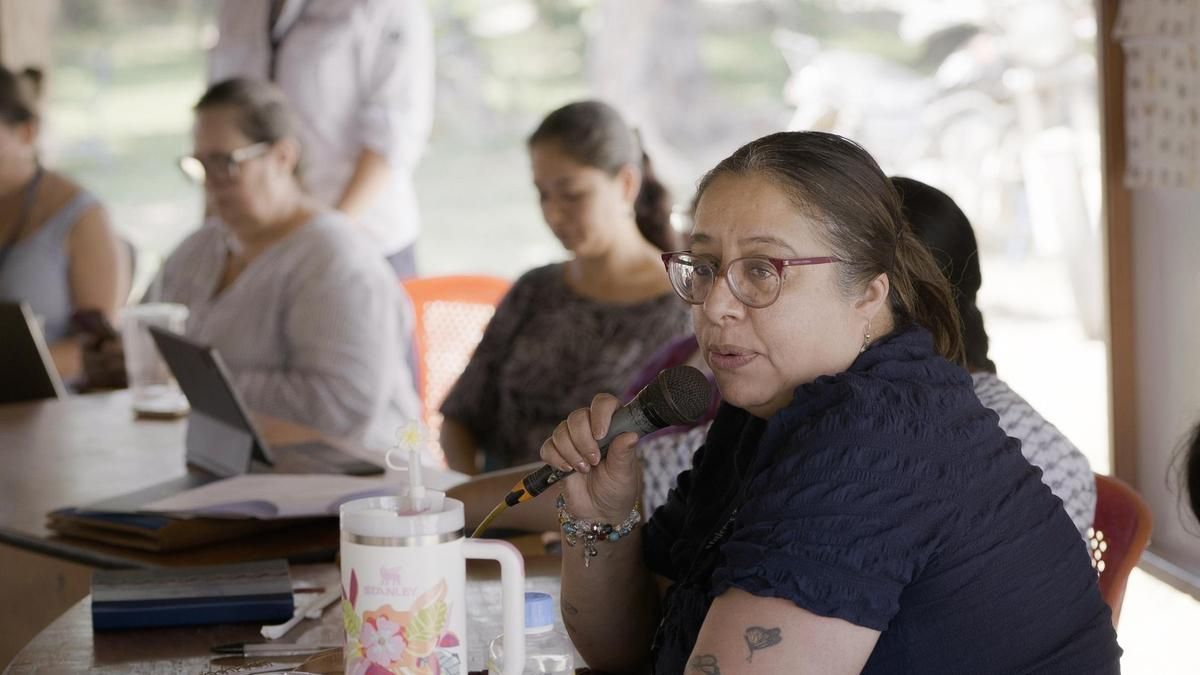
In 2016, fifteen Maya Q’eqchi’ women won a historic conviction against the Guatemalan army for sexual slavery. Today, the promised reparations—a health center, a school, electricity, and clean water—remain unbuilt. The obstacle is the same one that led to their husbands’ murders four decades ago: land ownership.
Known as the “Grandmothers of Sepur Zarco,” the women were forced into sexual and domestic slavery for eight months in 1982 after soldiers killed their husbands. The court ordered 16 reparative measures to improve life for their entire community of 87 villages. Eleven years later, none have been fully implemented.
A new documentary, *La tierra os hará libres. Sepur Zarco* (The Land Will Set You Free), by Agareso and Mujeres Transformando el Mundo (MTM), explores this impasse. Paula Barrios, a lawyer for MTM, presented the film in Spain this week.
“The main barrier is the dispute over who owns the truth of what happened during the armed conflict,” Barrios said. “Guatemala resists accepting that the army is responsible.”
The 2016 ruling was pioneering because it was tried in Guatemala’s ordinary courts, not a special tribunal. It established that the army’s campaign against indigenous communities—deemed guerrilla sympathizers—included systematic sexual violence. The court also linked the violence to a struggle over land: the victims’ husbands had been seeking legal title to the land they worked, land claimed by powerful families.
Today, that same land dispute blocks reparations. The measures require returning land to indigenous communities, a move that could challenge the country’s concentrated land ownership. While some landowners have agreed to sell, progress is slow.
“The underlying dispute is not about a lack of mechanism,” Barrios said. “It is about not changing the conditions of submission of the indigenous population.”
The women, now elders, continue to fight for their community’s future. “When we talk about Sepur Zarco, we are talking about La Esperanza, Pombaac, San Marcos,” said Demesia Yat, one of the grandmothers, in the film. They have achieved a new level of respect and leadership in their region.
But frustration grows. The current government of President Bernardo Arévalo has expressed commitment, but structural and economic powers resist change. As Judge Yassmín Barrios stated in her ruling, the sentence is “in the name of the people of Guatemala.” For the grandmothers, that means the people must ensure the promised justice is finally delivered.